 |
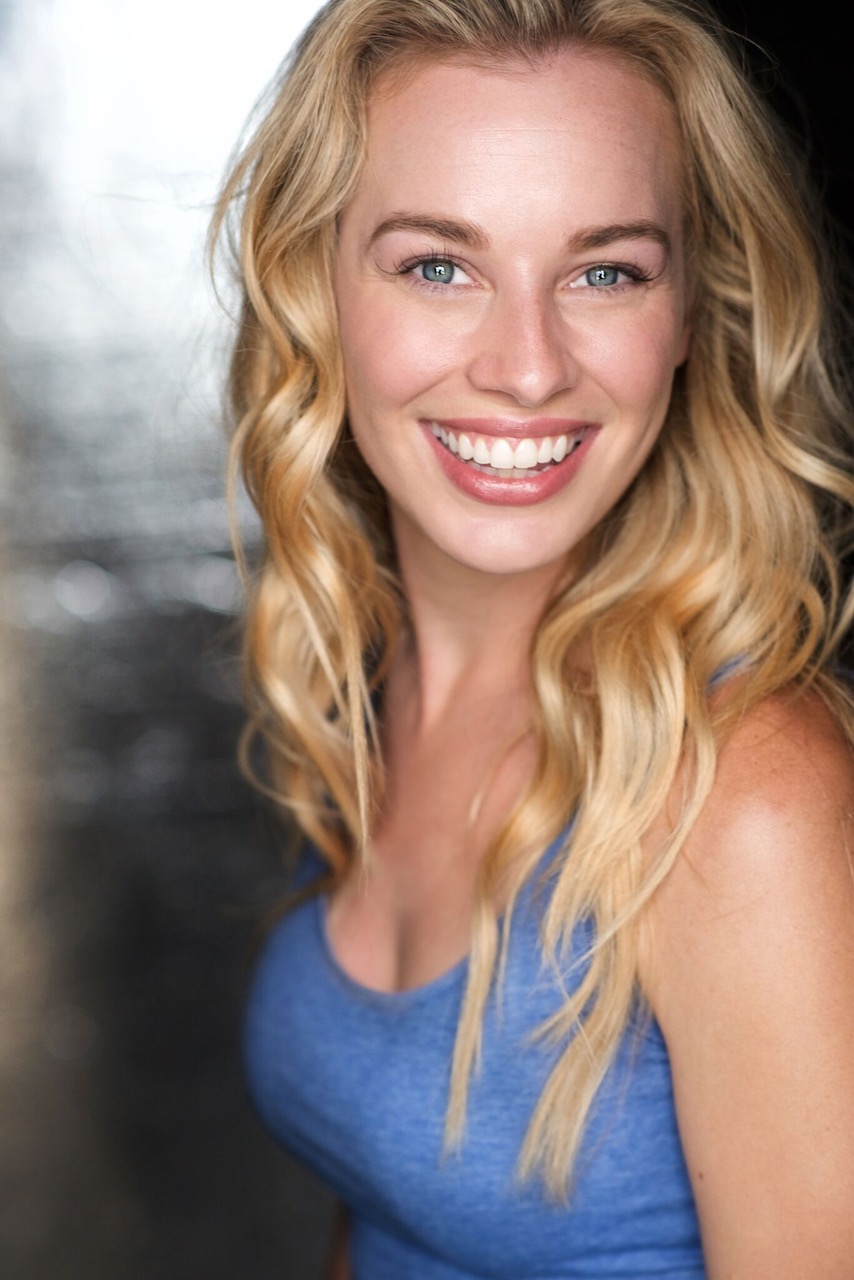
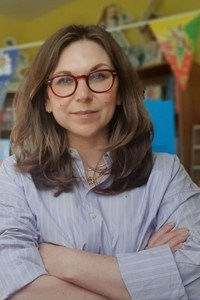
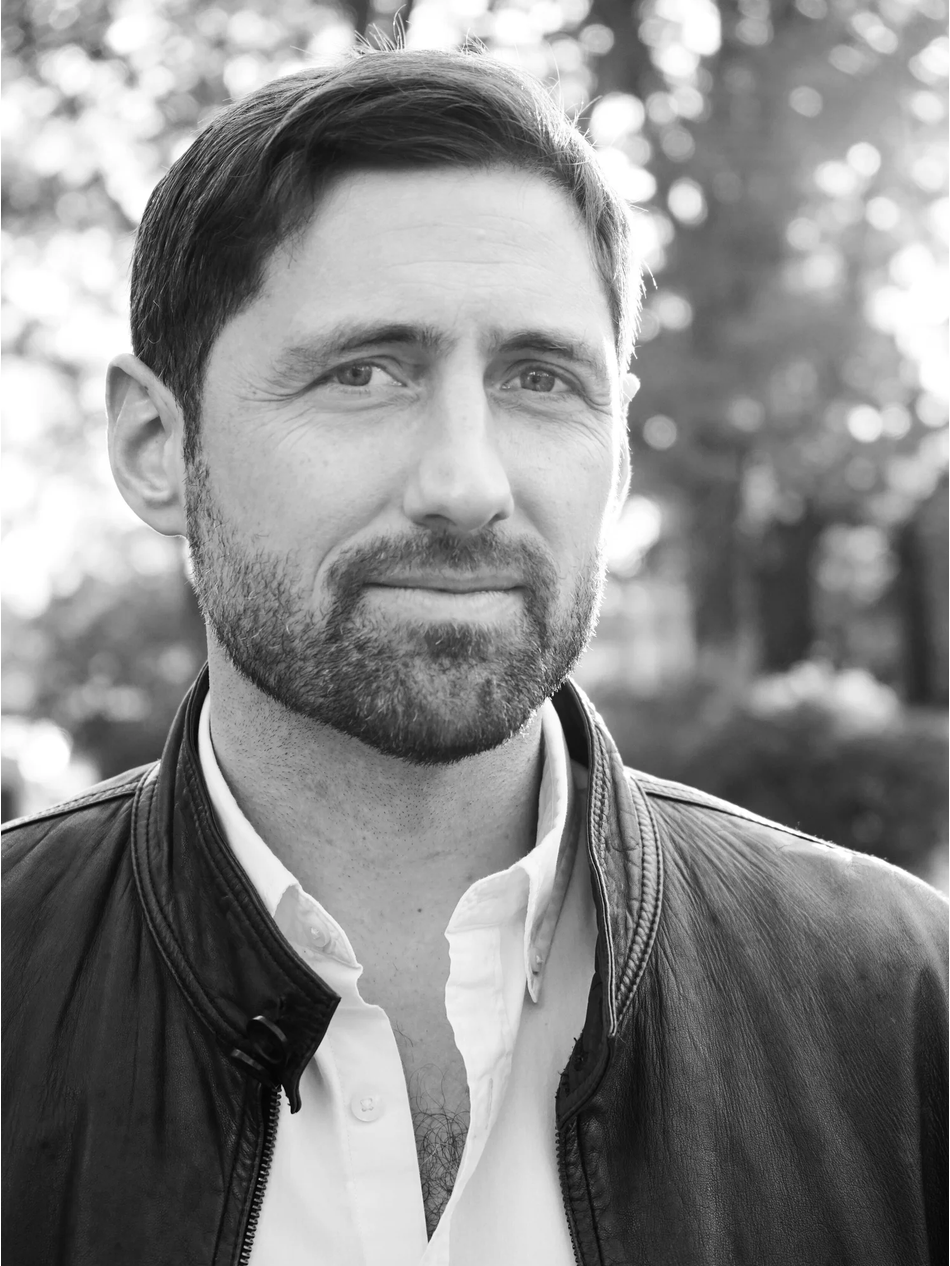
Kasey Lansdale
(Kyle Bri Photography) |
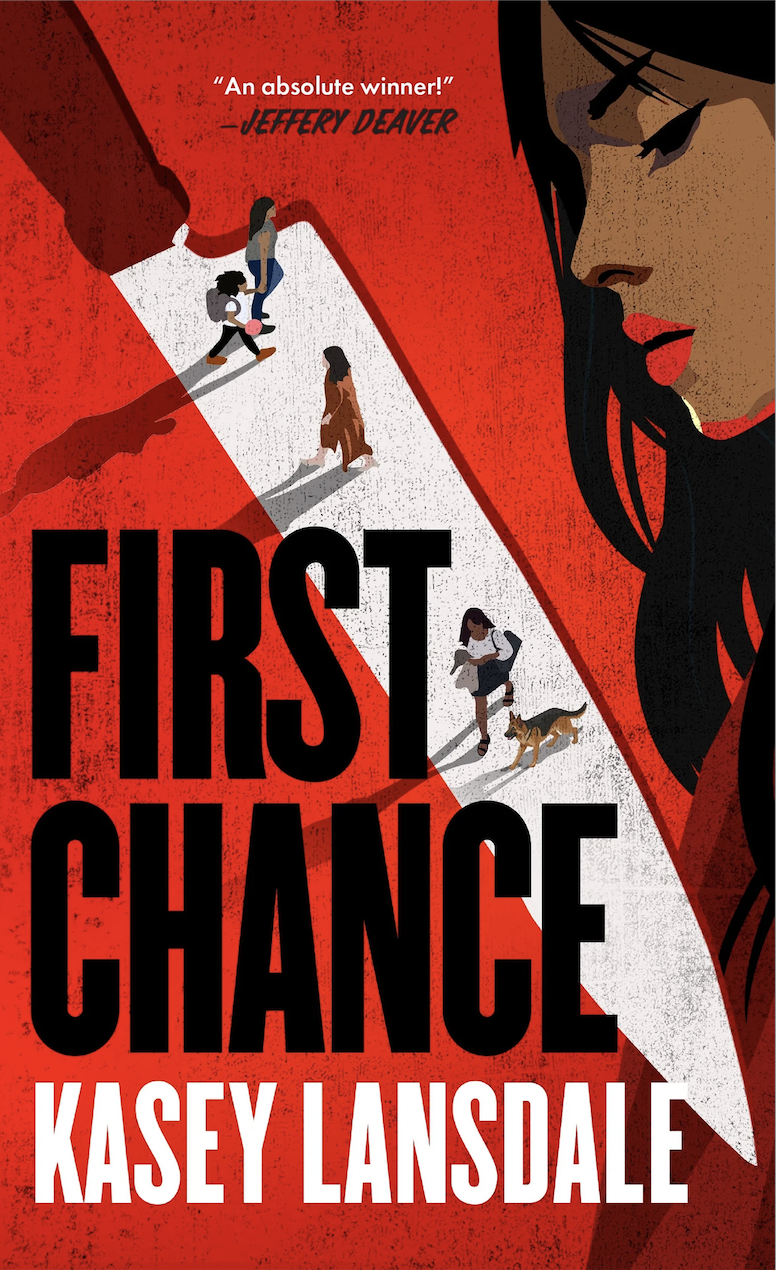
Kasey Lansdale has been in the fiction world since birth, as a writer, editor, audio book narrator, and creative professional. Lansdale lives in Los Angeles and serves as head editor at Pandi Press. Her short stories have been published in numerous anthologies, and her fiction has been adapted for television and comics. First Chance (Blackstone, September 8, 2026) is her debut novel, a suspenseful thriller that follows a PI hoping to start over in Hopeful, Tex., before she gets caught up in the cold case of a murdered teenage girl.
Handsell readers your book:
A female private-eye novel with a character-driven mystery full of quirky banter in the backwoods of East Texas. And there's a dog.
On your nightstand now:
On my nightstand I have a stack of books I got at the American Library Association conference in Chicago. I'm currently working my way through Becky Siegel Spratford's Why I Love Horror. I also have Caller Unknown by Gillian McAllister queued up on audio.
Favorite book when you were a child:
There were different books at different times that meant different things to me. I tend to think more of series, like Carolyn Keene's Nancy Drew series, Franklin W. Dixon's Hardy Boys series, Ann M. Martin's Baby-Sitters Club, R.L. Stine's Goosebumps. I certainly remember Hatchet by Gary Paulsen having an effect. And if we're going younger, Deborah and James Howe's Bunnicula, illustrated by Alan Daniel, and Jon Scieszka's The Stinky Cheese Man, illustrated by Lane Smith. It's such a hard thing to answer. And I don't know if I've ever really had a favorite anything because I tend to be somewhat mercurial.
Your top five authors:
In no particular order:
Michael Connelly. I actually started this in reverse. I had a friend who was working on the Bosch TV show and was invited to go on set for the finale episode of season one. Being there piqued my interest, so I picked up the first book in the Bosch series and became hooked.
I'd be remiss if I didn't mention Joe R. Lansdale. I'm a little biased, but I really think his ability for dialogue and place is unmatched. I adapted some of his work for comics, and it was then that I really understood how much was being packed into each sentence. When you're trying to break something down panel by panel, you start to understand how much is really being shoved into each word, and how intentional it has to be.
Andrew Vachss, the Burke series. The ability to place the character in the center of such evil and be somewhat unlikable themselves, yet you still find yourself rooting for them, is quite a thing. I read his first novel, Flood, in 2020, even though I've been aware of him essentially my entire life. I was so struck by how much he put into that book, and how often I still think about it. I even mentioned it in my novel as a hat tip, because it affected me so deeply.
Julia Heaberlin, a Texas author whose work I stumbled across, and then I devoured everything she had written. I think she has such a wonderful grasp of Texas and its own unique ecosystem. She writes with an elegance about Texas that I find fascinating. I started with her book Black-Eyed Susans and I am anxiously awaiting her next.
To that end, I'd say May Cobb, another female Texas author, one who really tapped into--and I mean this in the best possible way--the raunchier side of East Texas. That gritty backwards throughline that has sort of an if-you-know-you-know energy behind it. I read her work and I have absolutely zero doubt that she grew up very similar to how I did, with the same kind of people, and was able to step back and look at that in such a funny, truthful way.
Book you've faked reading:
I don't think I've ever faked a book reading, other than maybe something I was supposed to do for school. I honestly don't remember.
 Book you're an evangelist for:
I hate to do this, but I'm going to. I think the book I tout the most is The Bottoms by Joe R. Lansdale. I think it's our generation's To Kill a Mockingbird.
It feels so self-serving to say it, but it really is true. It would be impossible that his influence didn't trickle down to me as a person and my work. It's such a unique position to be in. And I feel like I should go right now and read interviews with children of other authors, because I have a feeling they might be much more diplomatic and elegant.
Book you've bought for the cover:
I can't think of a particular book I bought for the cover, but there's no question that a cover sells copies. It's your only frame of reference most of the time when you walk into a store with hundreds, if not thousands of options. A good cover can make or break the book before it even starts.
Book that changed your life:
The first book that popped to mind was Lauren Weisberger's The Devil Wears Prada. It's such an odd answer to me, when I think about it, because it's not the sort of thing I typically read, and it's certainly not the genre I'm working in. But I read it at the right time in life.
I was overseas, and there were not a lot of books in English available to me at the moment, so I picked it up and read it. Not long after I wrote what would be my first novel, One More Than the Devil. That novel is in a drawer somewhere, but it let me know I could put proverbial pen to paper in a way and length I had never explored before. I was around 20 at the time.
Favorite line from a book:
Oh gosh, favorite line from a book I mean, how do you choose? That's an unfair question and I refuse to answer on the grounds that I might incriminate myself.
Five books you'll never part with:
Five books I'll never part with, this is going to be sentimental. 100%. But it's going to be the books I read as a child. I have so many I could list here, but I'll just say anything that was part of the Little Golden Books era. I love a good foil spine.
Book you most want to read again for the first time:
Dorothy Allison's Bastard Out of Carolina.
This was a really tough read, emotionally. I think it's one of those you have to reread throughout the years, and it would hit me in a completely new way at this age. It's one of those that, based on where you are in life and your age, means something different.
It really is a testament of writing truth to power.
What you are working on next:
I'm currently working on the follow-up novel to First Chance as well as putting together the introductions for my first story collection, Grim at Heart, coming out from Bad Hand Books in 2027.




 We're all in the businesses of conservation, and keeping bookshops open makes books accessible and keeps reading relevant. The survival rate of bookshops is a real snapshot of our most creative, curious and hopeful society, so in terms of changing people's perspective about the world of books--would it even be too bold a claim to make that books really might be saving the world?"
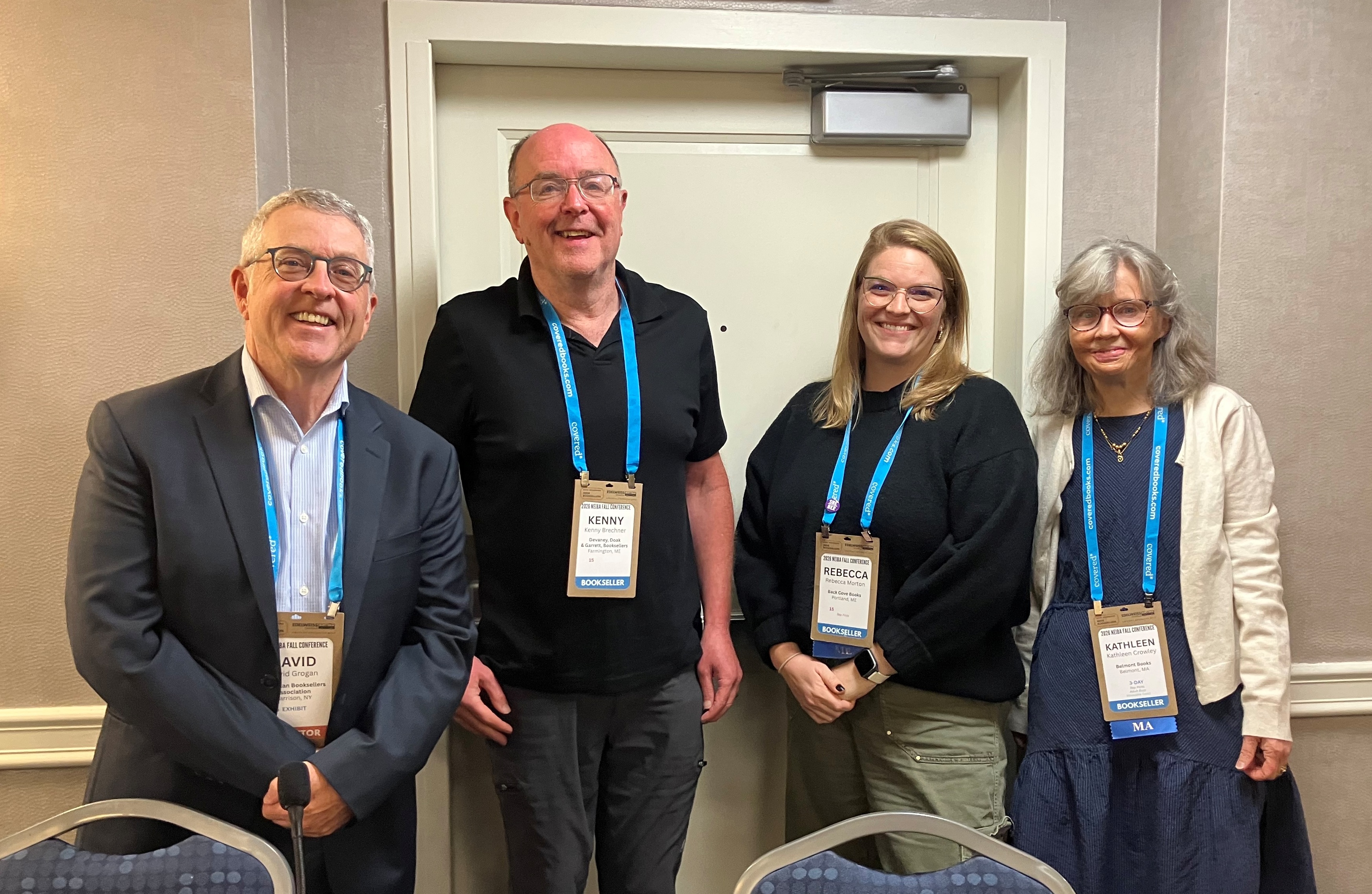 David Grogan (left), director of American Booksellers for Free Expression, Advocacy, and Public Policy, moderated the session "Advocacy and Free Speech--What's Important Now." Kenny Brechner, Devaney Doak Garrett Booksellers, Farmington, Maine; Becca Morton, Back Cove Books, Portland, Maine; and Kathleen Crowley, Belmont Books, Belmont, Mass., discussed "three issues that have a sense of urgency about them": website ADA compliance lawsuits, the Credit Card Competition Act, and bills that limit access to books.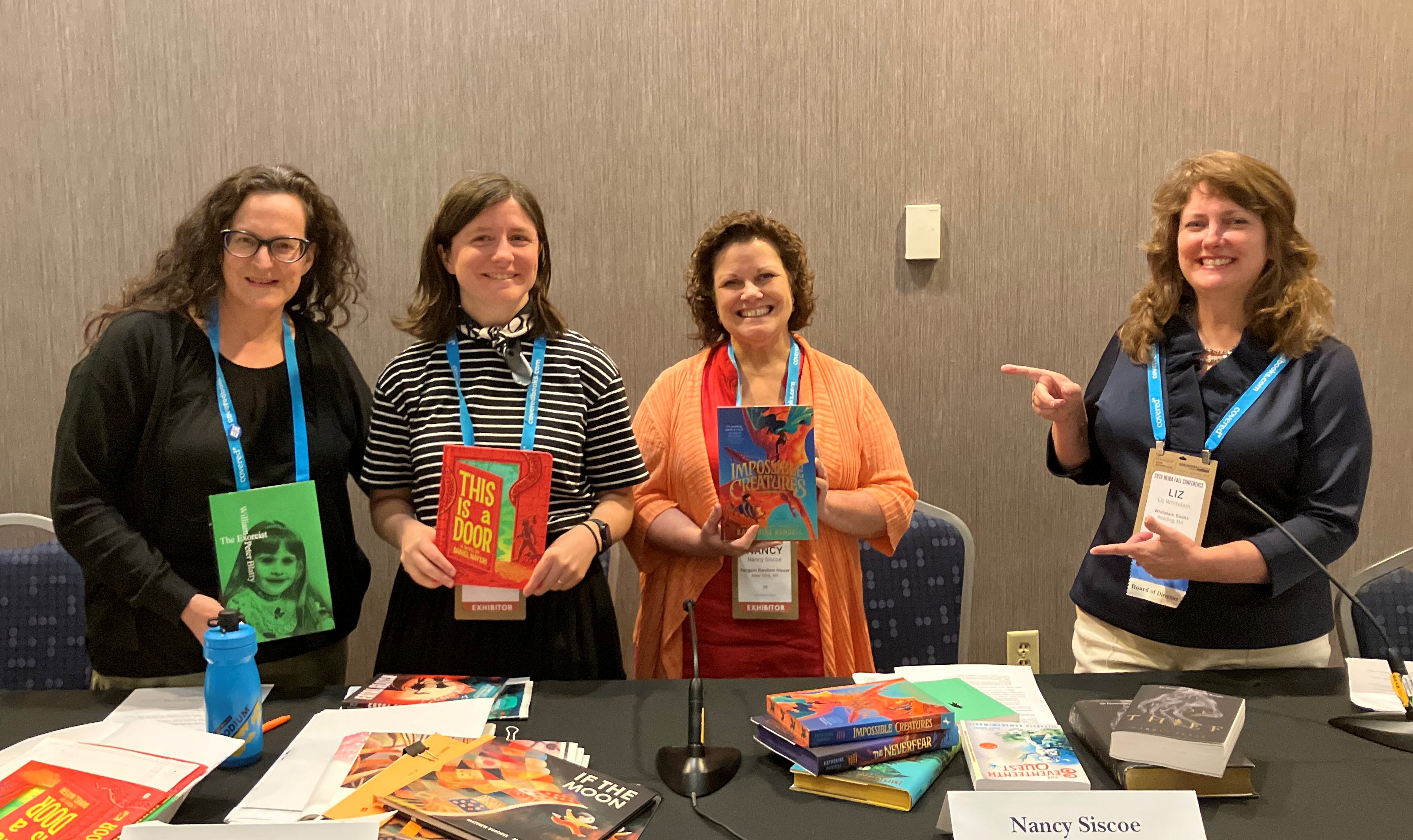
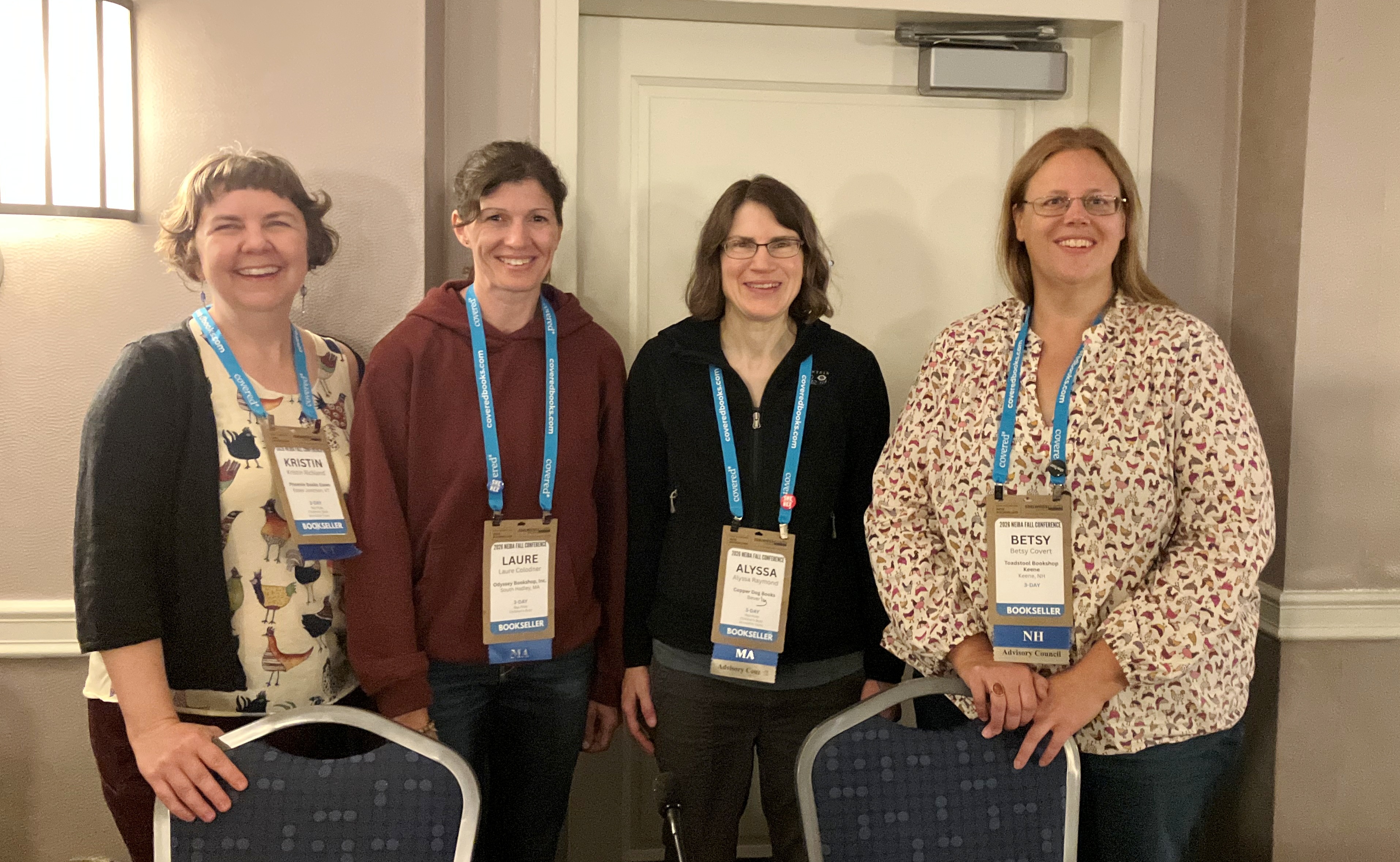 New England Children's Bookselling Advisory Council (NECBA) members (from l.) Kristin Richland, Phoenix Books, Essex, Vt.; Laure Colodner, Odyssey Bookshop, South Hadley, Mass.; Alyssa Raymond, Copper Dog Books, Beverly, Mass.; and Betsy Covert, the Toadstool Bookshop, Keene, N.H., held a conversation with children's and YA booksellers about fostering third spaces for kids and teens.
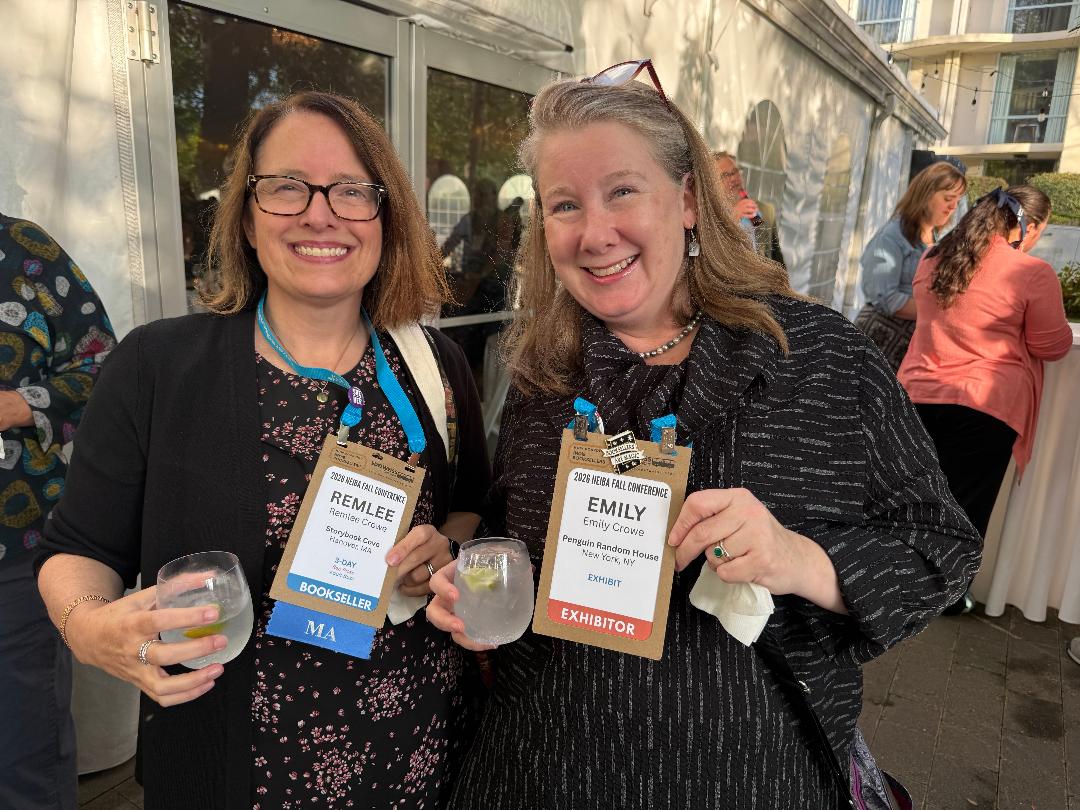 An Attempted Murder of Crowes?: Remlee Crowe, Storybook Cove, Hanover, Mass., met up with Penguin Random House's Emily Crowe. (photo: Benjamin Rybeck)
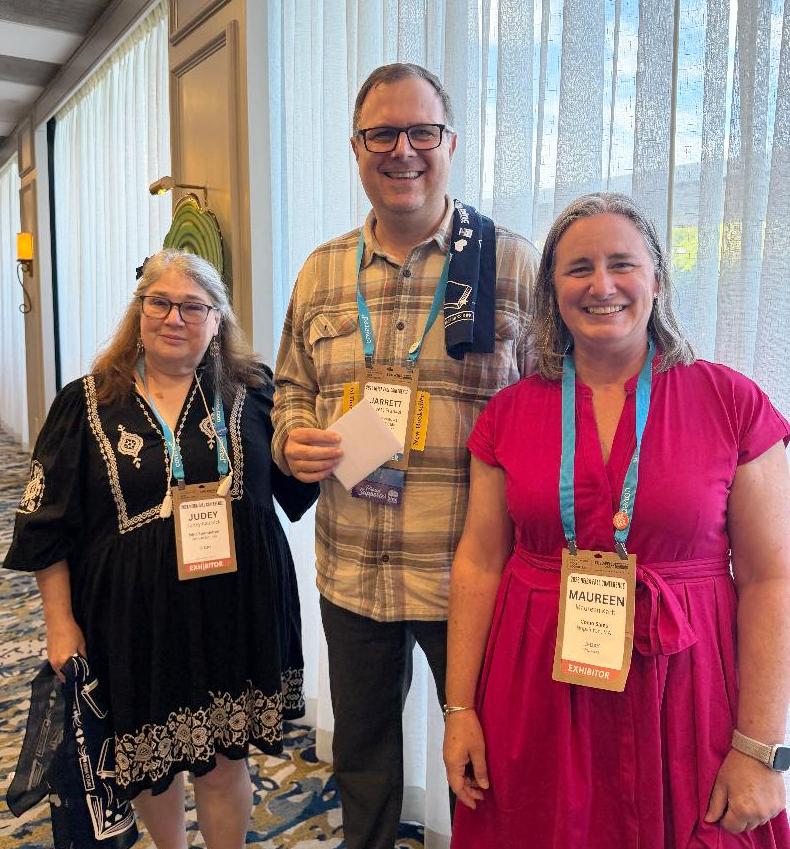 Maureen Karb (r.) with Como Sales flipped the coin for a lively game of Heads or Tails, won by Jarrett Frankel (c.) from Wild Meadows Books & Cafe in Williston, Vt. Frankel is a new bookseller and first-time attendee at NEIBA's Fall Conference. Thanks to HarperCollins Focus and HarperCollins Christian Publishing for sponsoring the game, which raised more than $650 for Binc. Judey Kalchik, Binc's program manager, is on the left.
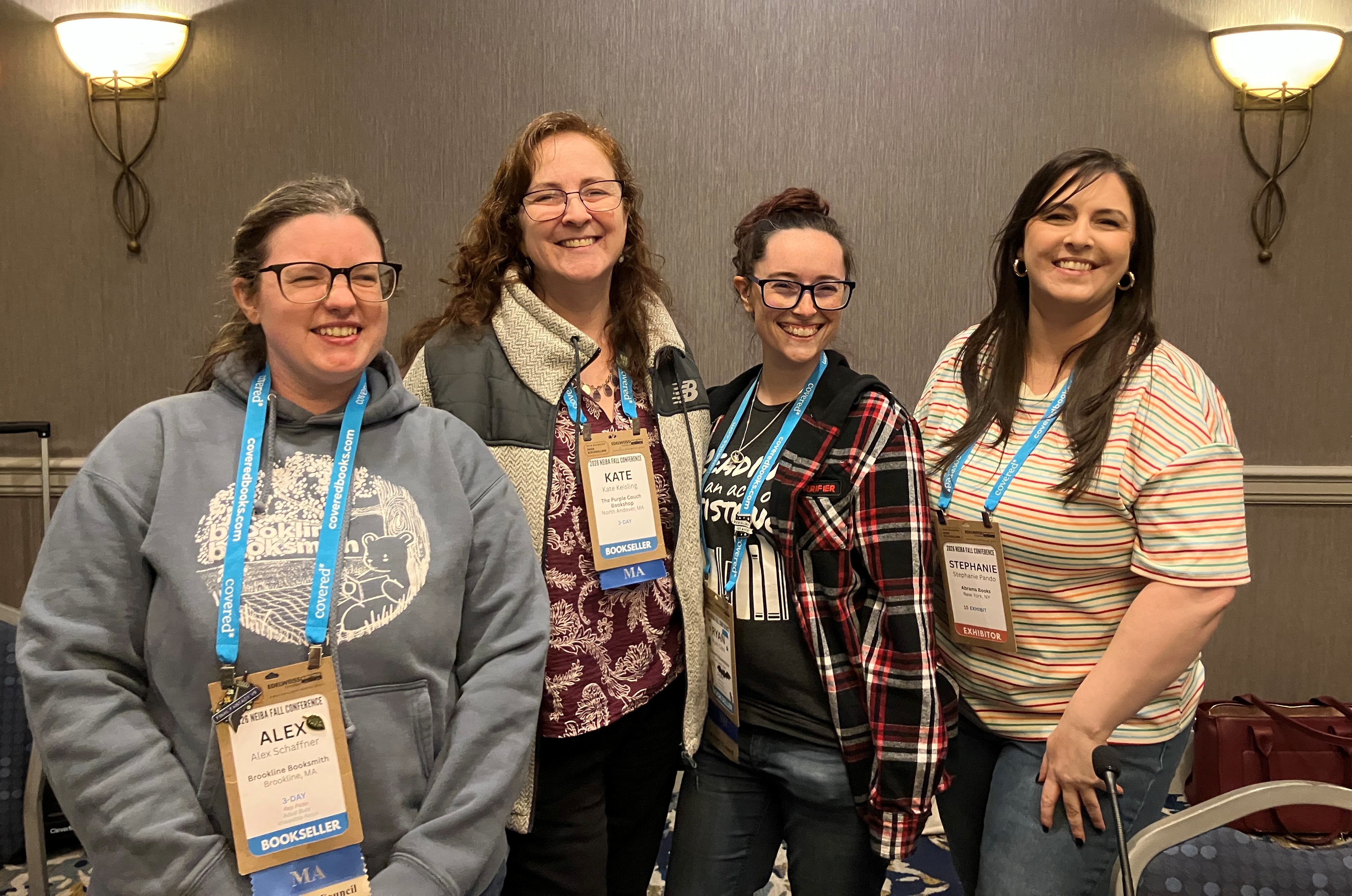
 The renamed
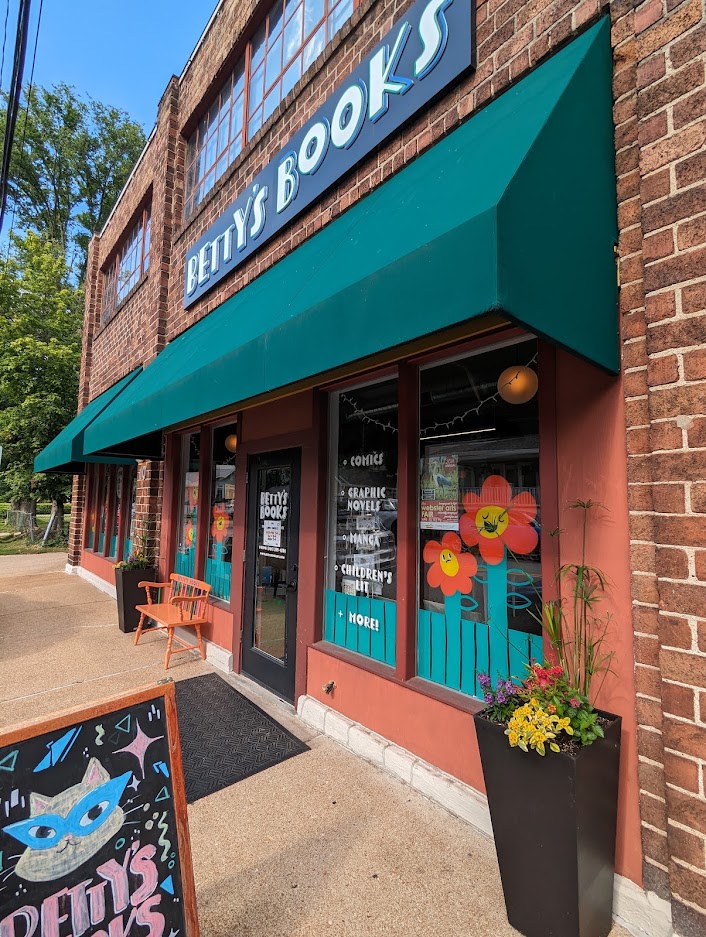 Congratulations to
 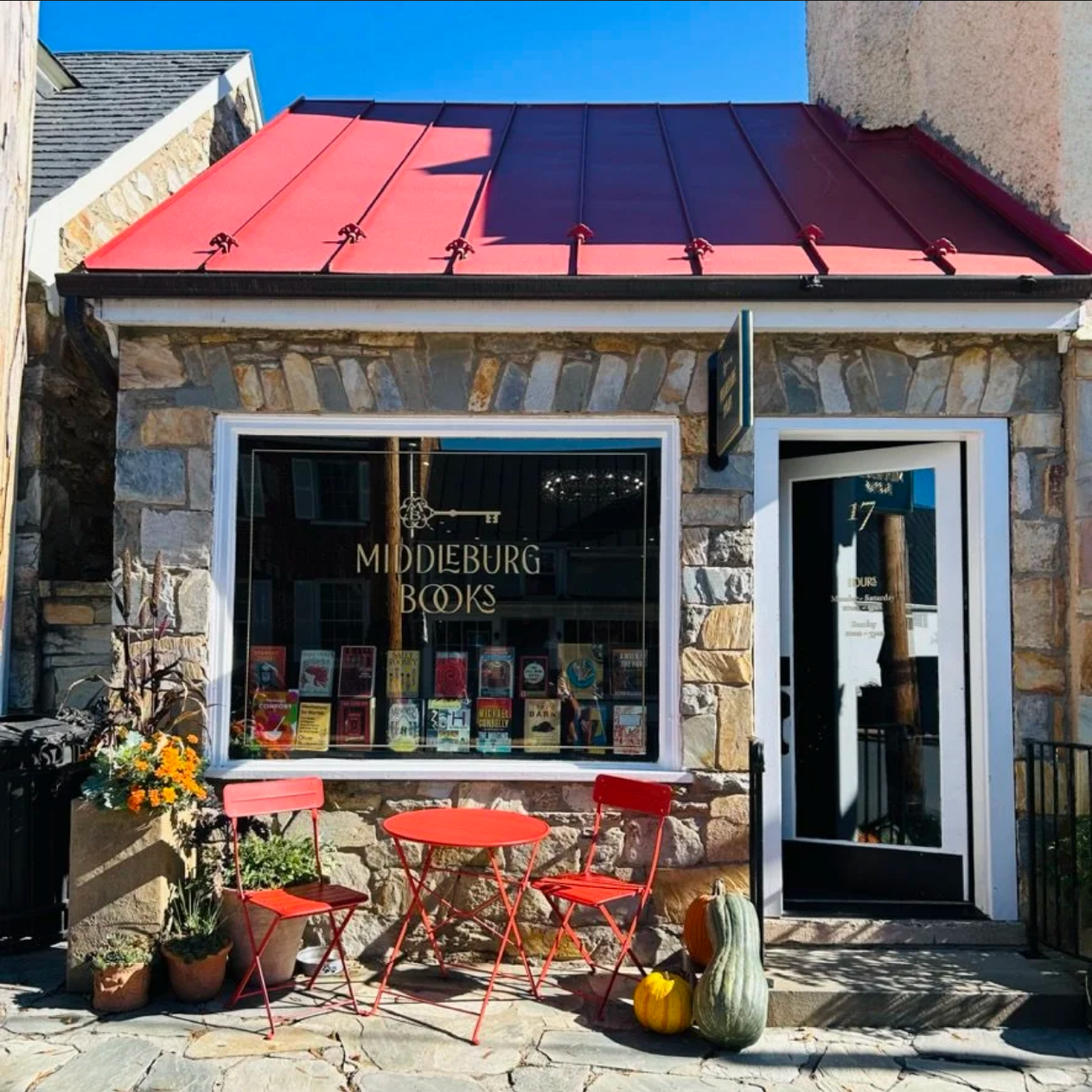 The Middleburg, Va., area is known for wine tastings, and
 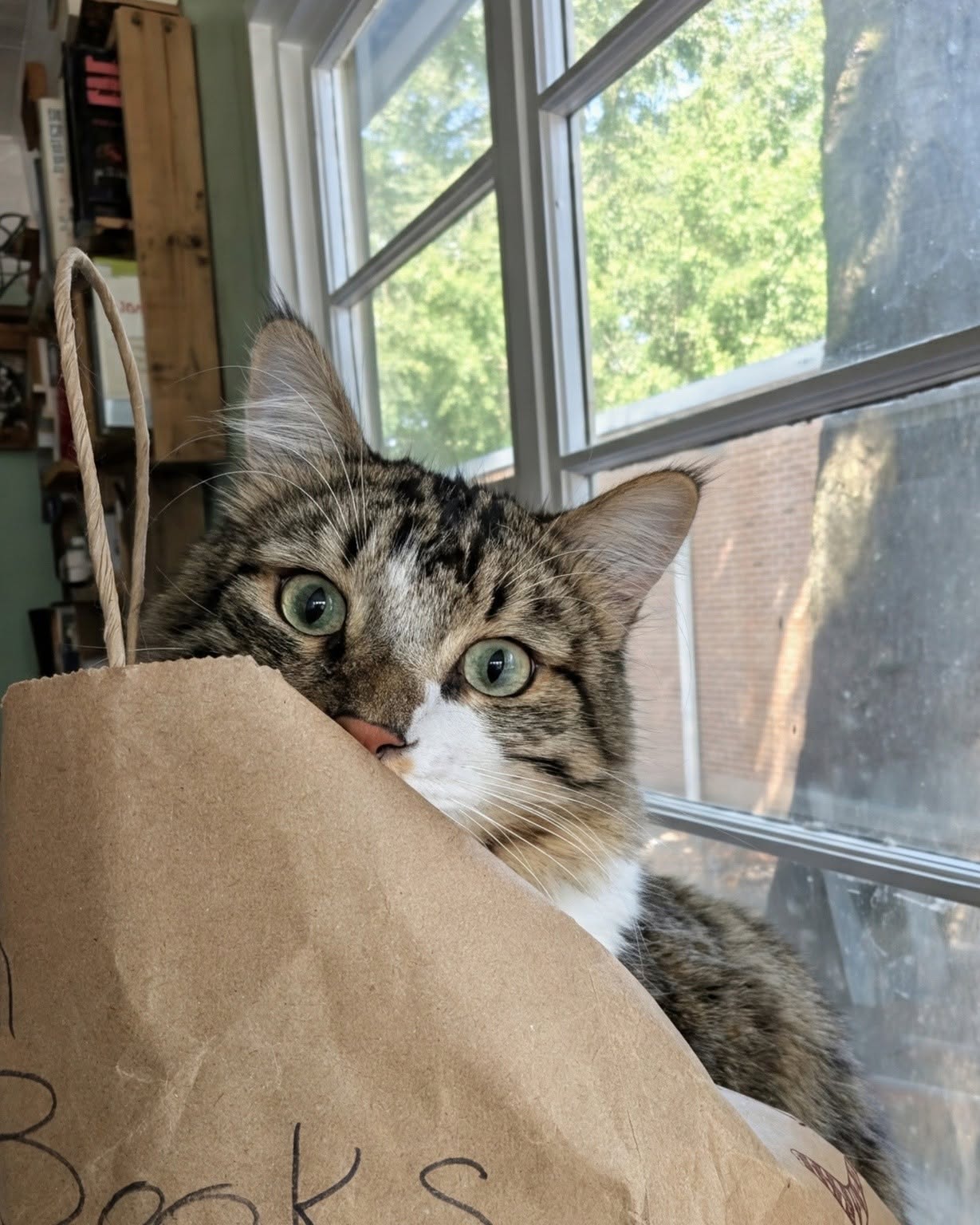 "
"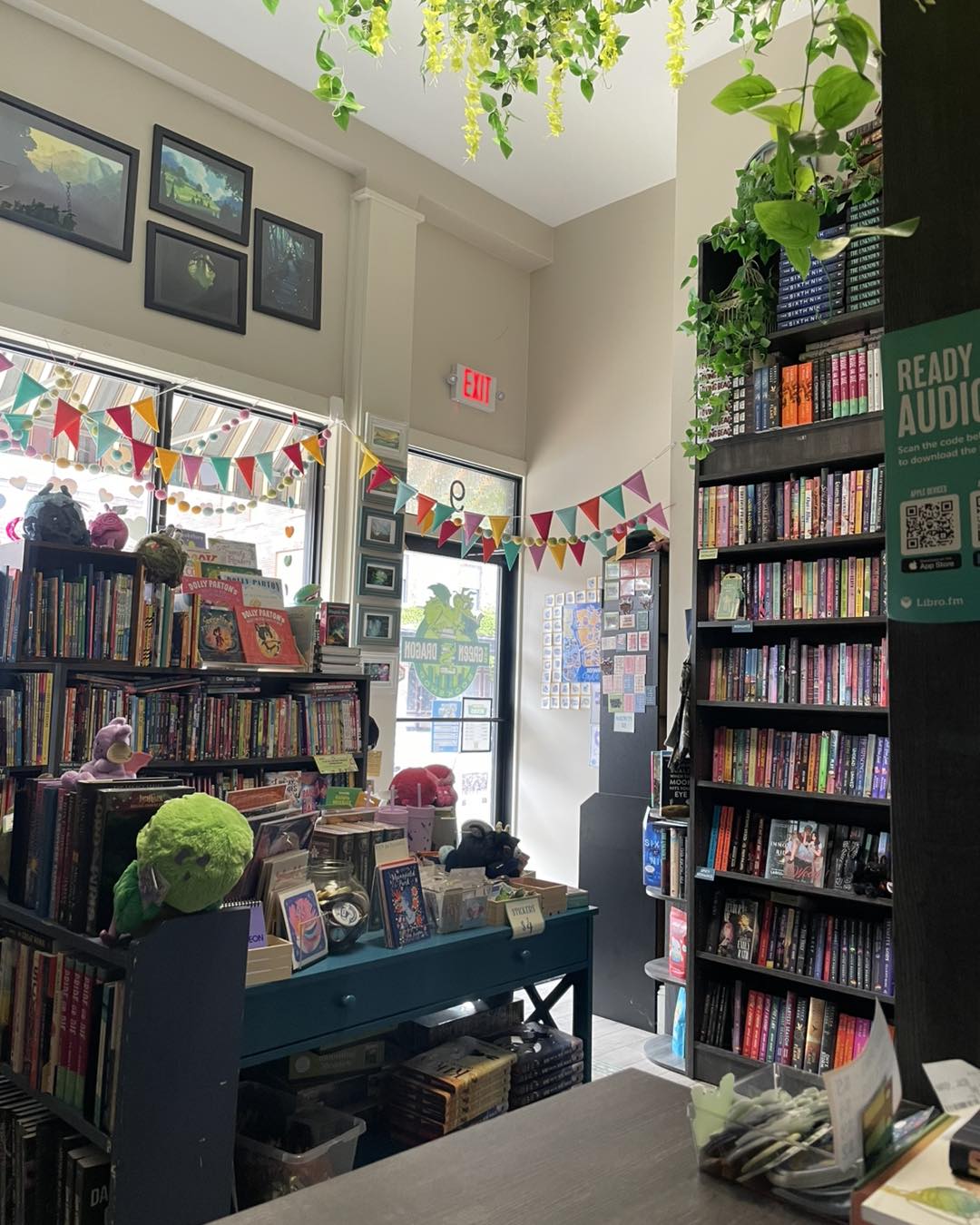 "It's a
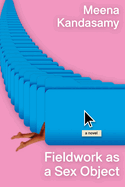
 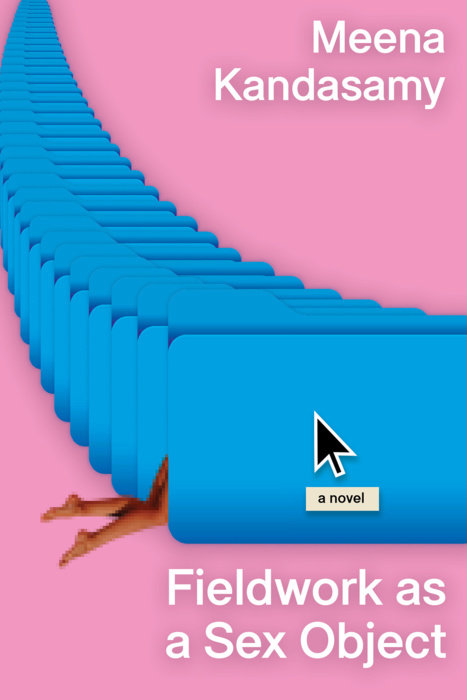 An Indian student abroad in London deals with the fallout of an AI-enabled character assassination in the scathingly funny, deeply wise novel Fieldwork as a Sex Object by Indian writer, translator, and anticaste activist Meena Kandasamy (When I Hit You).