


Just Book-ish Soft Opens in Boston, Mass.
Just Book-ish, an all-ages bookstore and gathering space with an emphasis on writers "whose work often challenges political paradigms," has opened on a limited basis in Boston, Mass., with a grand opening scheduled for November 23.
 |
|
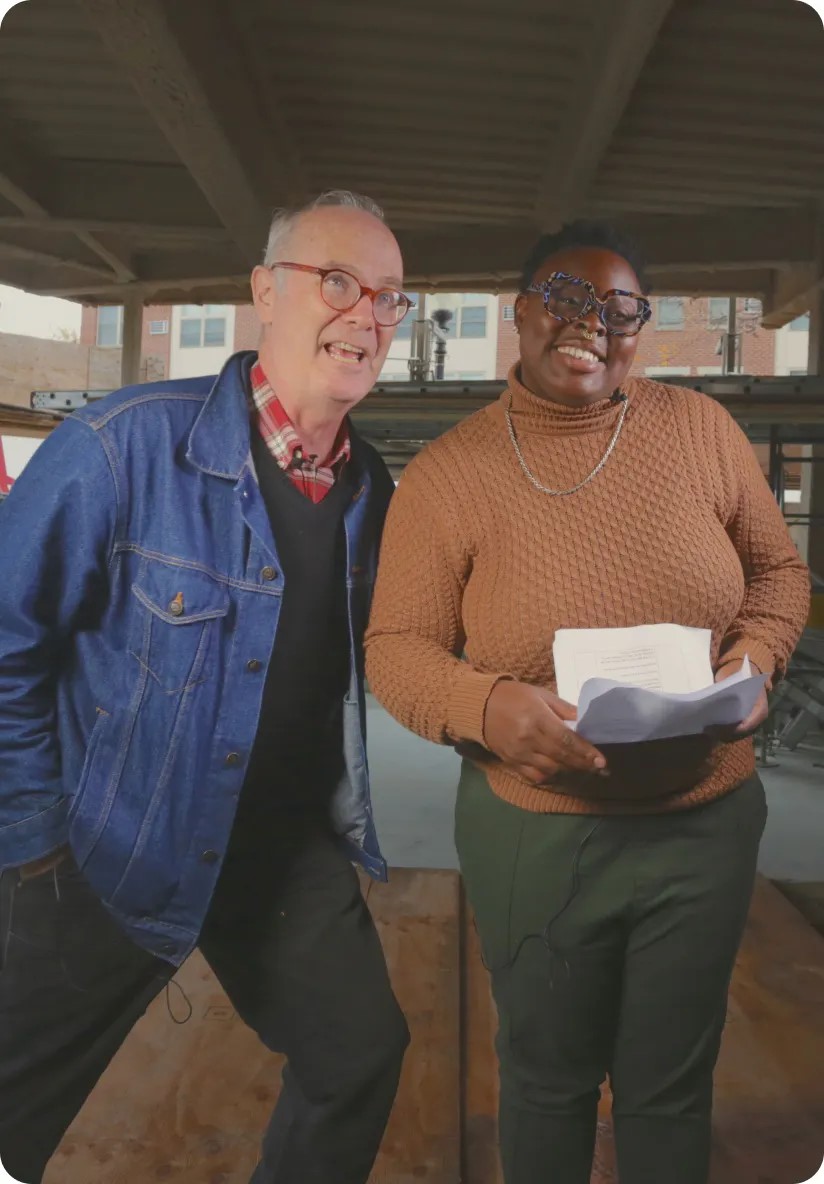
| Bing Broderick and Porsha Olayiwola | |
Located at 1463 Dorchester Ave. in Boston's Dorchester neighborhood, Just Book-ish spans about 1,250 square feet on the first floor of the Dot Crossing building. It carries a wide array of titles in several languages, many with a social justice focus, and serves an assortment of light snacks and beverages.
Until the grand opening and ribbon-cutting ceremony on November 23, the store will be open Tuesday through Friday, 2 p.m.-7 p.m., and on Saturday and Sunday from 10 a.m. to 4 p.m. The store's events and cultural programming will begin in the new year.
Just Book-ish is the brainchild of Porsha Olayiwola, Boston's Poet Laureate, and Bing Broderick, former director of the nonprofit Haley House. Earlier this year, they launched a fundraiser to help fill the bookstore's inventory that raised more than $51,000.



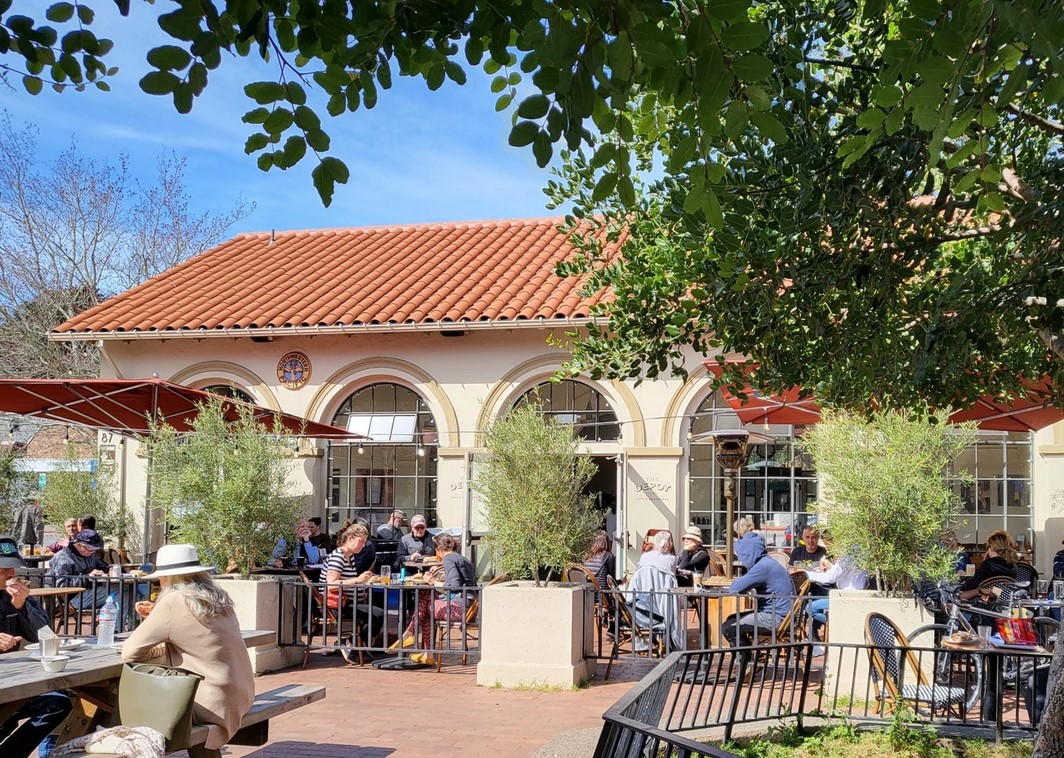 "I've spent a great deal of time in Copperfield's up in Calistoga, on Lincoln Avenue, and I can tell you it's just a fantastic place," council member Caroline Joachim said. "A fantastic place for me to lose a couple hours in, have my kids there, we've spent a lot of time, and I think what Copperfield's offers is actually a really great match to what we have here in Mill Valley."
 In yesterday's issue of Shelf Awareness Pro, the U.S. paperback edition of Samantha Harvey's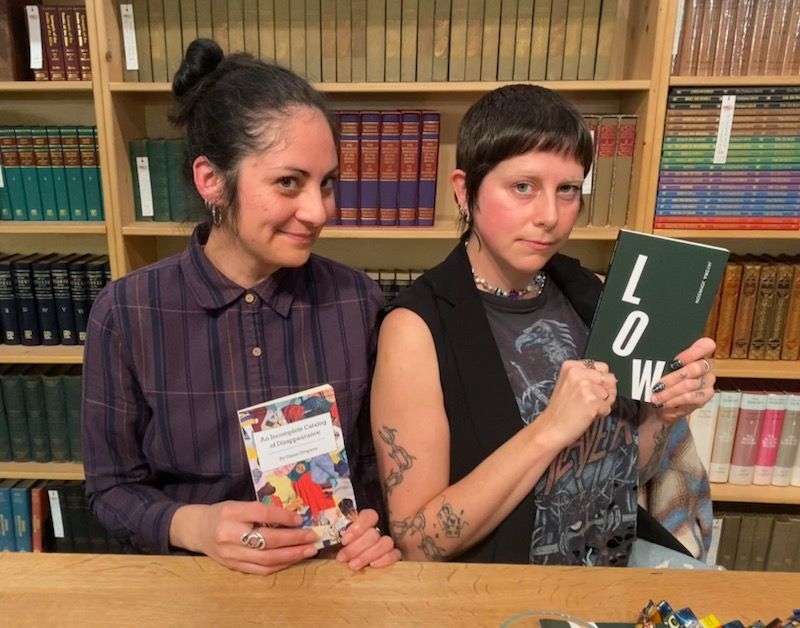
 Congratulations to
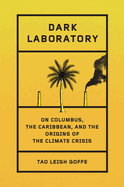
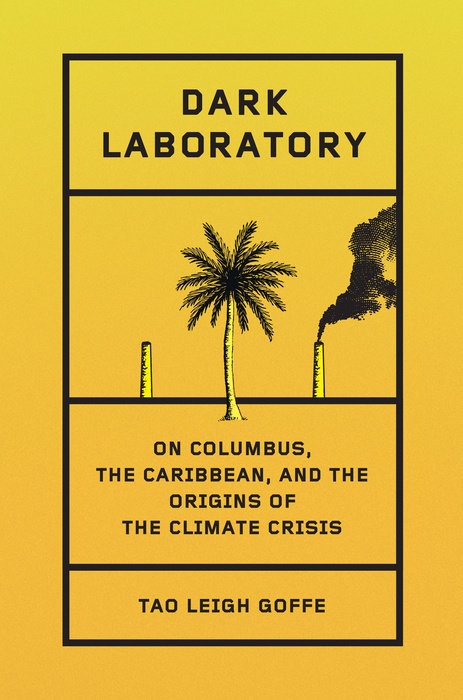 Climate change and eco-conscious political action are at the forefront of various global conversations as it becomes harder to deny that the current status quo is not going to be sustainable for much longer. As debates rage about the most effective course of action, interdisciplinary theorist Tao Leigh Goffe passionately argues that the future cannot be solved without turning to the past. Using both personal history and an approachable distillation of academic research, Goffe presents a new understanding of the current ecological landscape as connected to the extractive colonial practices imposed upon the world at large by European nations from the Early Modern period through the Industrial Age, and beyond.