


Kwame Alexander, Sourcebooks Launching New Imprint
Bestselling author Kwame Alexander and Sourcebooks are launching Kwame Alexander Books, "dedicated to discovering and elevating bold voices across children's and adult publishing" through an imprint "rooted in the belief that books can help shape the next generation of thoughtful young readers and leaders through stories that center creativity and community and resilience."
 |
|
| Kwame Alexander (photo: Rowan Daly) |
|
The imprint will launch in spring 2027 with a curated list of titles across picture books, middle grade, YA, and adult categories, combining Alexander's own projects with works from emerging and established authors. The imprint will also serve as a platform for discovering and mentoring new voices, with additional initiatives and partnerships to be announced.
"The world is changing rapidly. We need young people to have an imagination that can see how to shape that change for the better," said Alexander. "I want to publish books that elevate the imagination, so naturally, working with authors who have a vision for entertaining and inspiring is my modus operandi. We aren't just publishing books, we're building the next generation of life-giving creators. I know that sounds ambitious and audacious, but these times call for that, and this is a part of my calling."
Sourcebooks CEO and publisher Dominique Raccah commented: "I've admired Kwame and his work for many years, going back to our connection with the extraordinary Nikki Giovanni and our great kids' poetry books. There's a shared entrepreneurial spirit between us, and a drive to build something new. This imprint is exactly that. It's about publishing voices that will model for young people who they can be in this world, and the impact they can have. We both believe deeply in the life-changing power of books. I'm SO thrilled to be working with Kwame!"
The cornerstone of the imprint's early publishing will be The Crossover #4, a new book in Alexander's Newbery Medal-winning series, which will be published in fall 2027. More than two million copies have been sold and it has been adapted into a Disney+ series. For Alexander, returning to these characters is also an opportunity to write for both longtime fans and a new generation of readers.
"This has been a long time in the making, but I am having so much fun revisiting these characters, especially after such a heart-wrenching ending to the first one," he said. "What's funny to me is that the first kids who read the book are now parents, so part of my task has also been to write something that would be compelling and interesting and meaningful for them, as well as a whole new generation of kid readers. I think this is going to be really good."
Early projects also include a paranormal YA novel by bestselling author Lola StVil; a middle grade horror novel from Marie Arnold (The Year I Flew Away, I Rise); a YA thriller-in-verse YA from Carnegie Medal-winner Sarah Crossan; a picture book from Laura Mucha, a playful fractured fairytale that celebrates a love of reading; a middle-grade adventure inspired by Mexican folklore traditions by Laura Rocha; and Alexander's motivational primer Say Yes.
"Kwame brings not only extraordinary creative vision, but a real understanding of how stories connect with readers," said Jennifer Gonzalez, senior v-p, publishing director at Sourcebooks. "This imprint will publish books that spark something in the reader that wasn't there before and create lasting impact."
The imprint is helmed by Alexander; Elise McMullen-Ciotti, who joins Sourcebooks as editorial director and was most recently with Lee & Low; and Margaret Raymo, formerly an executive editor at Little, Brown.


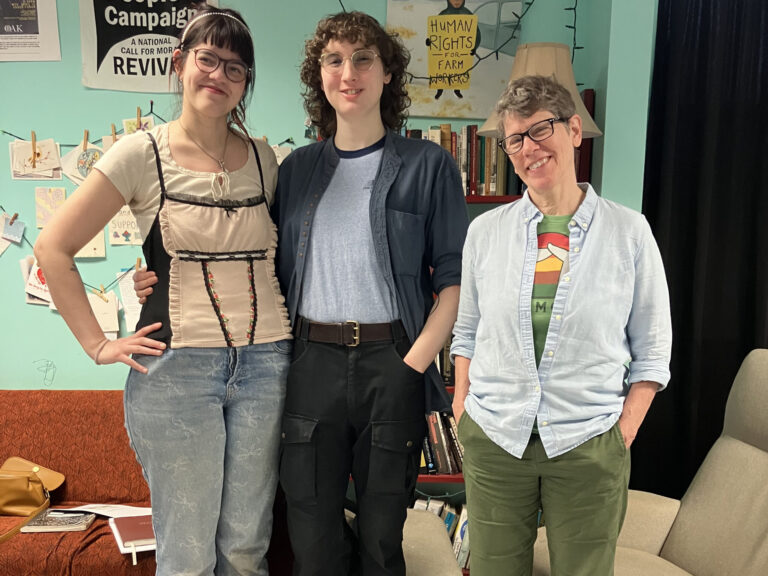
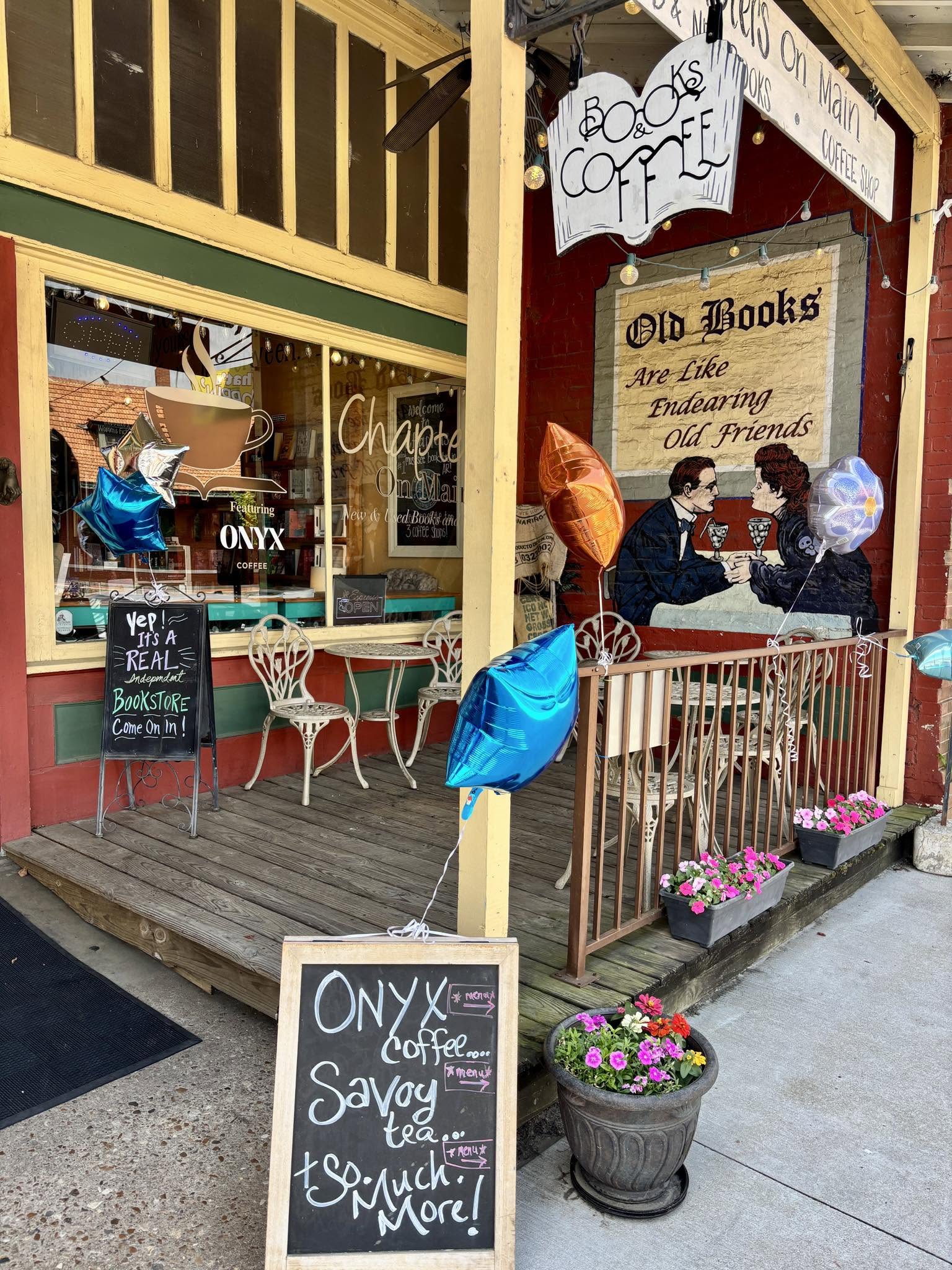 Beth and Josh Hart are the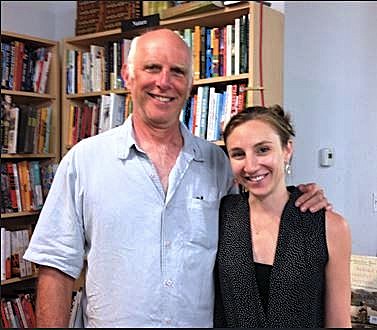
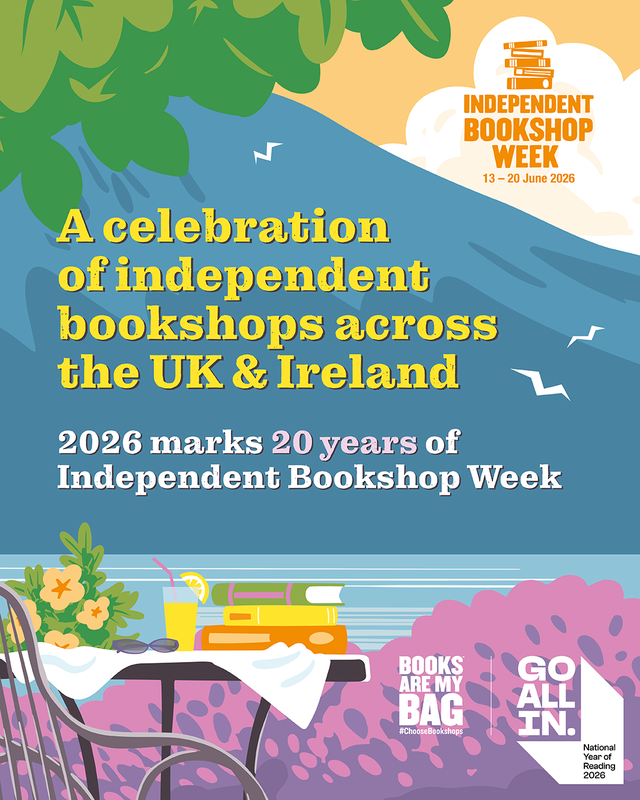 The number of independent bookshops in the U.K. and Ireland has
  This year's

 "Today,


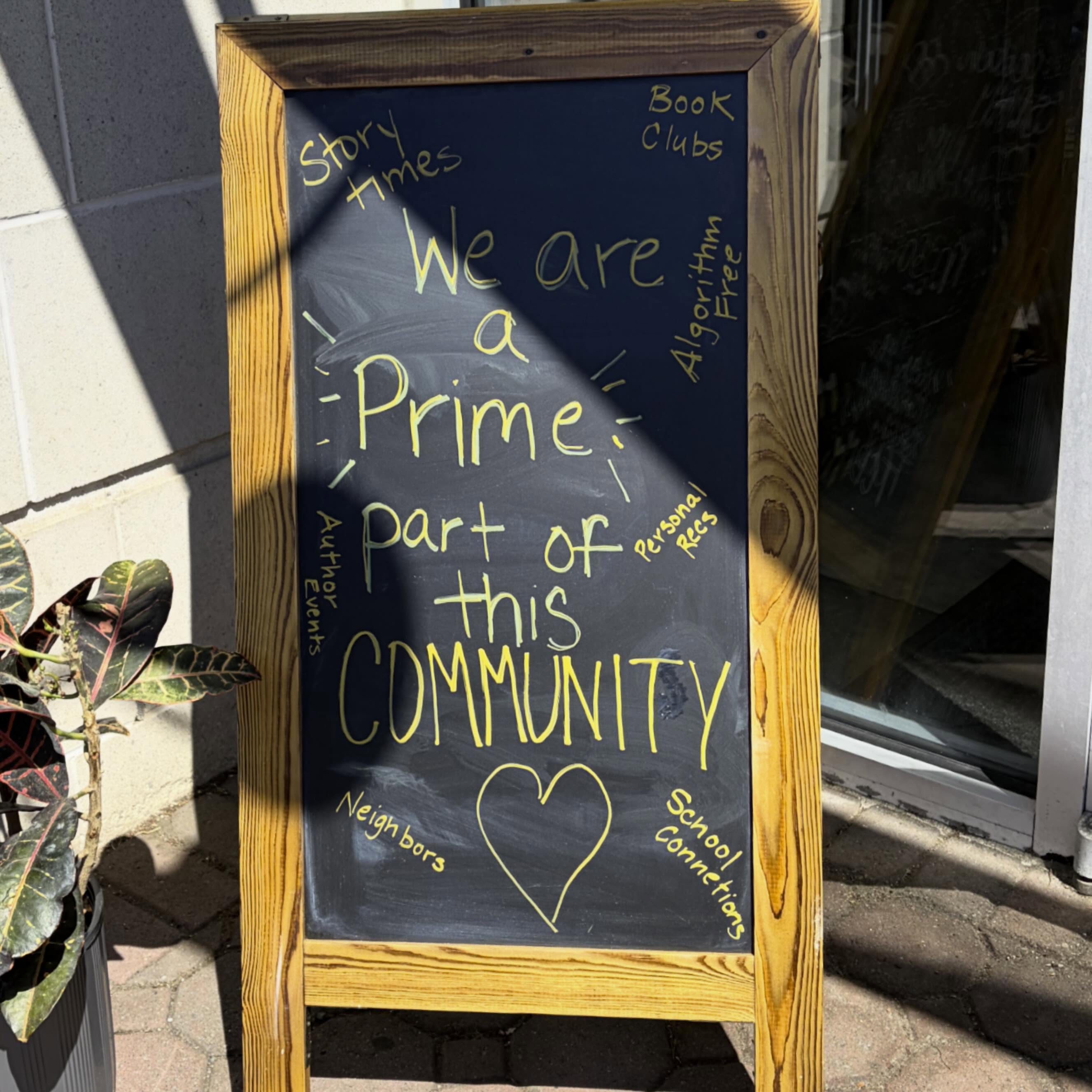
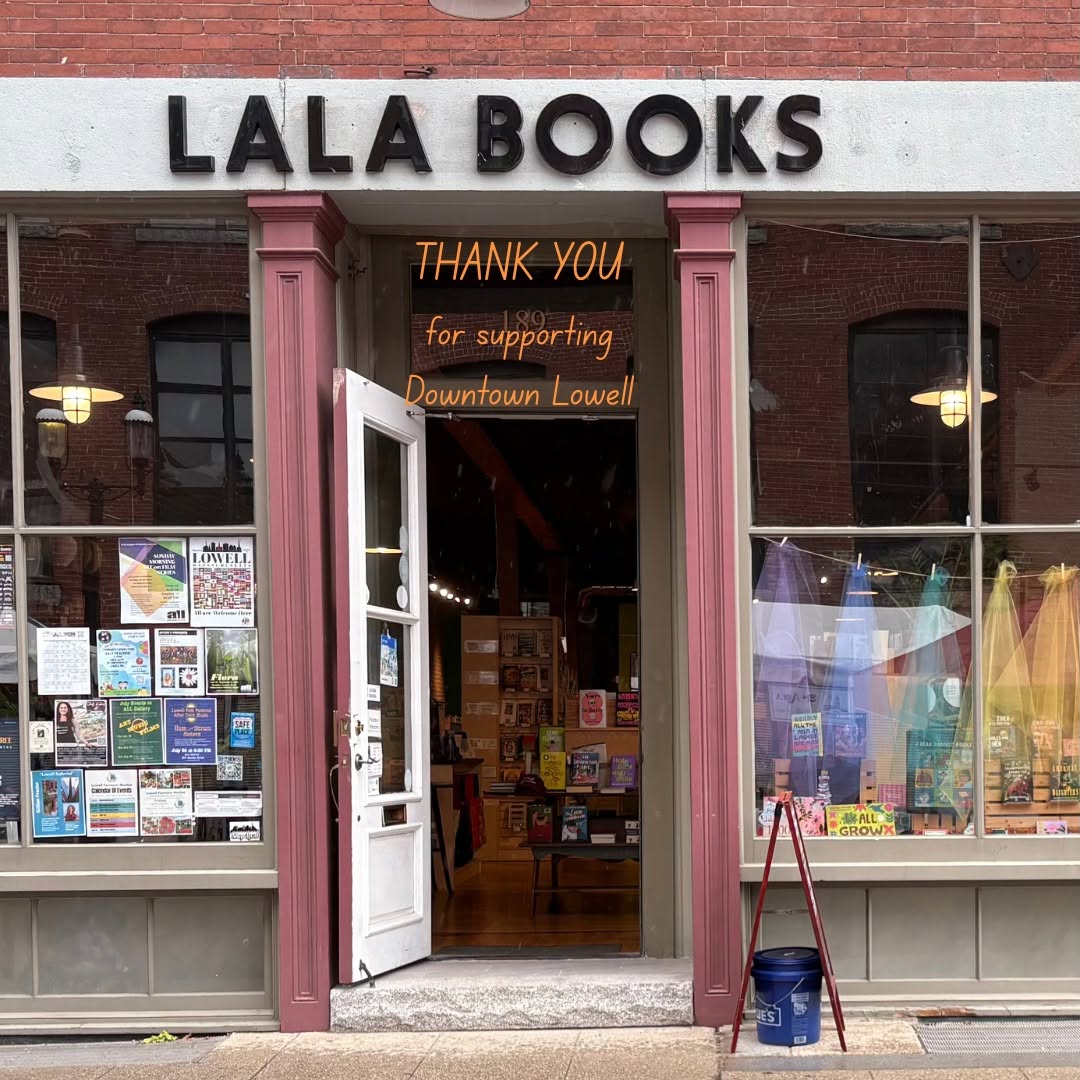 Posted on Facebook by
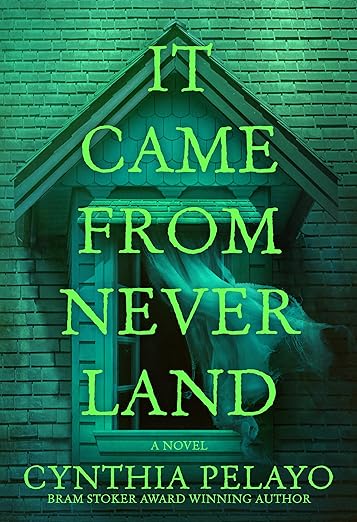 Book you've bought for the cover:
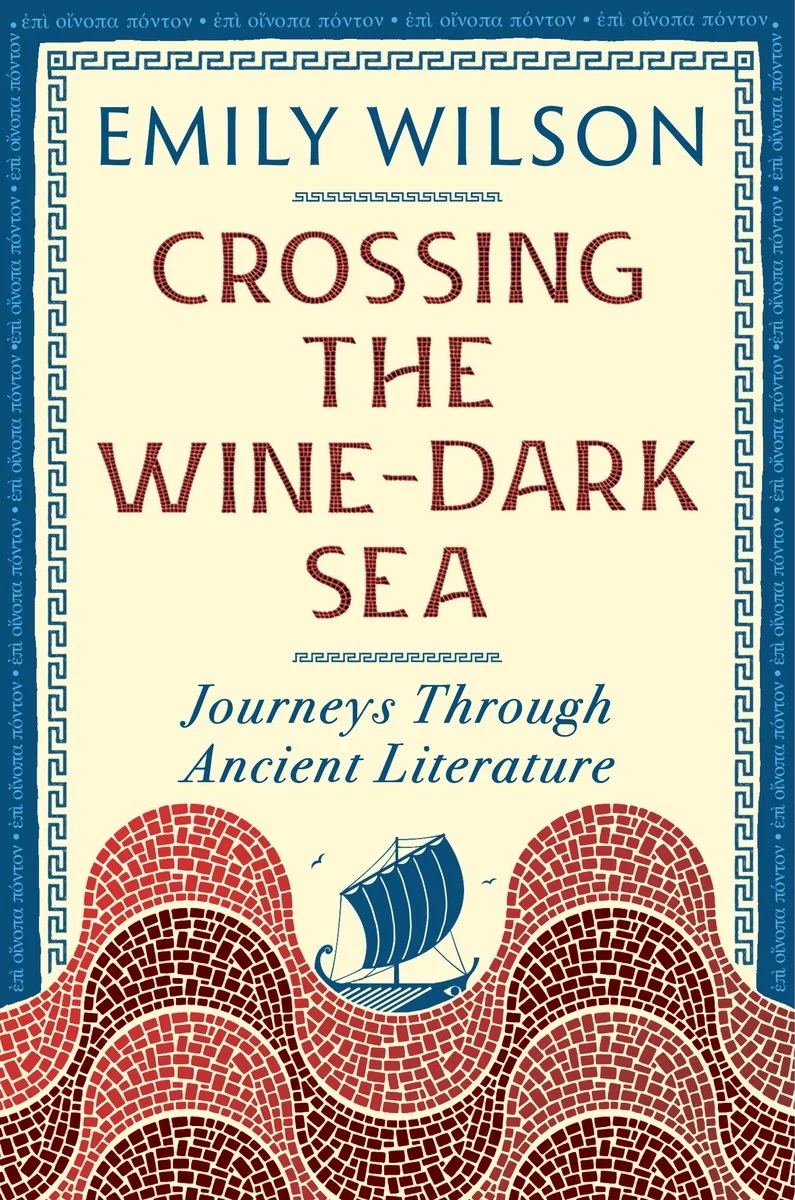 University of Pennsylvania classical studies professor Emily Wilson received considerable critical praise and popular attention for her translations of Homer's Odyssey and Iliad. In the 13 erudite and lively essays that compose Crossing the Wine-Dark Sea, she reveals the complexities of the translator's art while simultaneously conducting a stimulating tour of Greek and Roman literature.