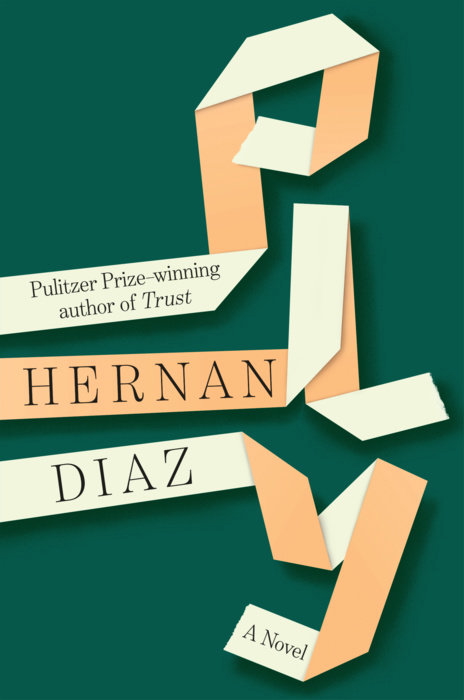
 Ply, Hernan Diaz's first novel since his Pulitzer Prize-winning Trust, is both a touching story of a young woman's struggle to find security and peace in a dystopian future United States and a mind-bending reflection on the nature of time and space. Either story alone would be satisfying, but Diaz cleverly marries them in an intriguing union.
Ply is set in postliterate urban environment that strongly evokes New York City, several centuries after the collapse of the U.S. federal government. It features an unnamed, orphaned female protagonist who possesses a preternatural talent for "pinching," the practice of stealing modest amounts of energy from the electrical grid to charge "bricks" that serve both as batteries to power the concerts of her favorite bands and as a form of currency in the society's barter economy. Her skill brings her to the attention of Kenneth, an underworld character who "rules over most of the city" and is determined to turn it to his profit.
In the novel's second half, Diaz switches the narrative voice from first to third person, but without leaving the pincher's perspective. This portion focuses on an experiment hatched by an obsessive older physicist and inventor named Pola to "alter the fabric of reality itself." She claims the discovery will allow humanity to "reorganize the disorder that is time" and effectively "abolish what now looks to us like an irreversible causal system and have instead discrete states we could control at will." Pola has been stalking the pincher, convinced the younger woman has the talent to generate the massive energy required to power her jury-rigged collider, and she persuades her to enlist that expertise in the project. As their work approaches its climax, a girl named Ines appears on the doorstep of Pola's laboratory. Her story of solitary suffering mirrors aspects of the pincher's and adds emotional depth to the novel.
All but the most scientifically knowledgeable or intrepid readers likely will find themselves bewildered, or at least perplexed, by the complexity of Pola's scheme. The best approach is simply to suspend disbelief and surrender to the inspired madness of her theories and Rube Goldberg apparatus without struggling overlong to grasp its details. But even as those intricacies become more byzantine, Diaz never loses sight of the pincher's personal drama and her palpable ache to be restored to something akin to the family she once knew.
Ply is a big, ambitious novel. Some elements will appeal to avid science fiction readers and others to those who prefer fiction that illuminates character and human interaction. It's a radical departure in subject matter and style from Trust but unquestionably the product of a fertile imaginative intelligence. --Harvey Freedenberg, freelance reviewer
Shelf Talker: Hernan Diaz writes a touching, ambitious dystopia about a young woman with a talent for stealing electricity and an experiment that may unlock the nature of reality.







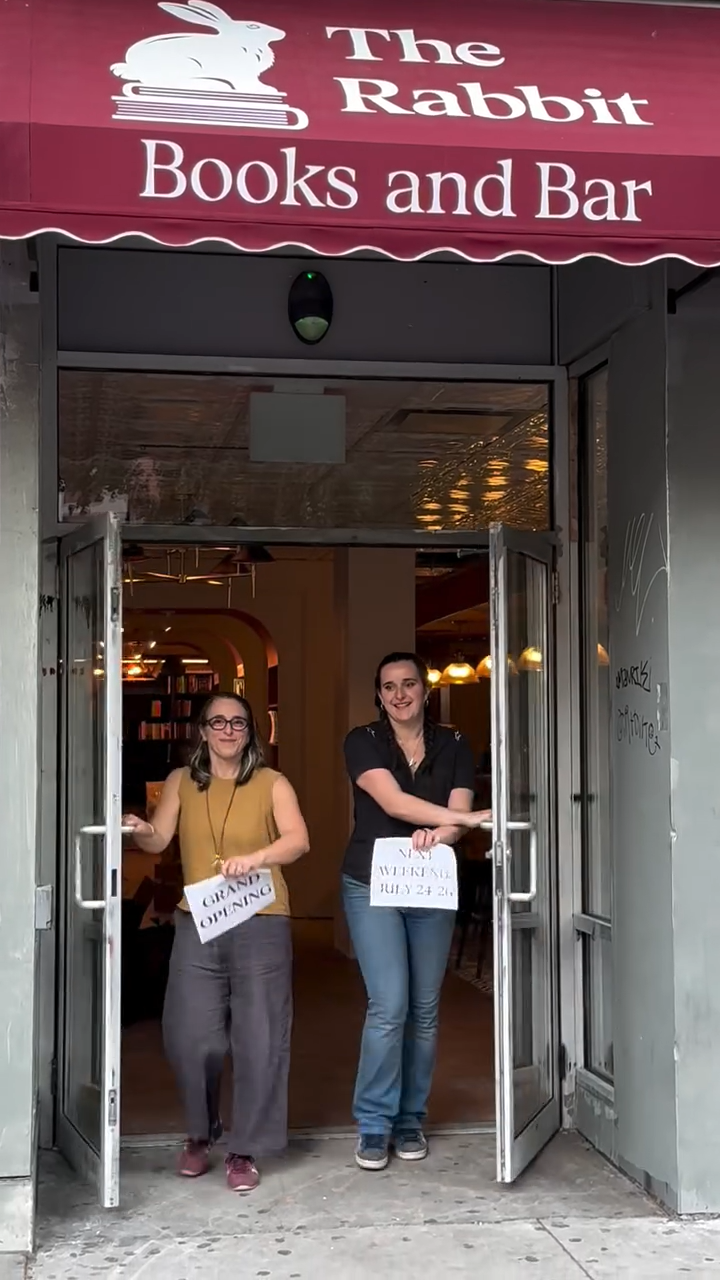 The Rabbit Books and Bar, which was scheduled to have its grand opening last weekend in New York City's East Village, postponed the festivities after a cascade of water came through the ceiling during downpours the weekend of the 18th. The bookstore is located at 170 Avenue A on 11th St. Repairs will likely take several weeks to complete.

 Following its debut as a pop-up shop selling magnetic bookmarks,
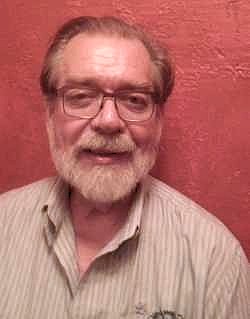 There will be a celebration of the life of David C. Nelson, who
 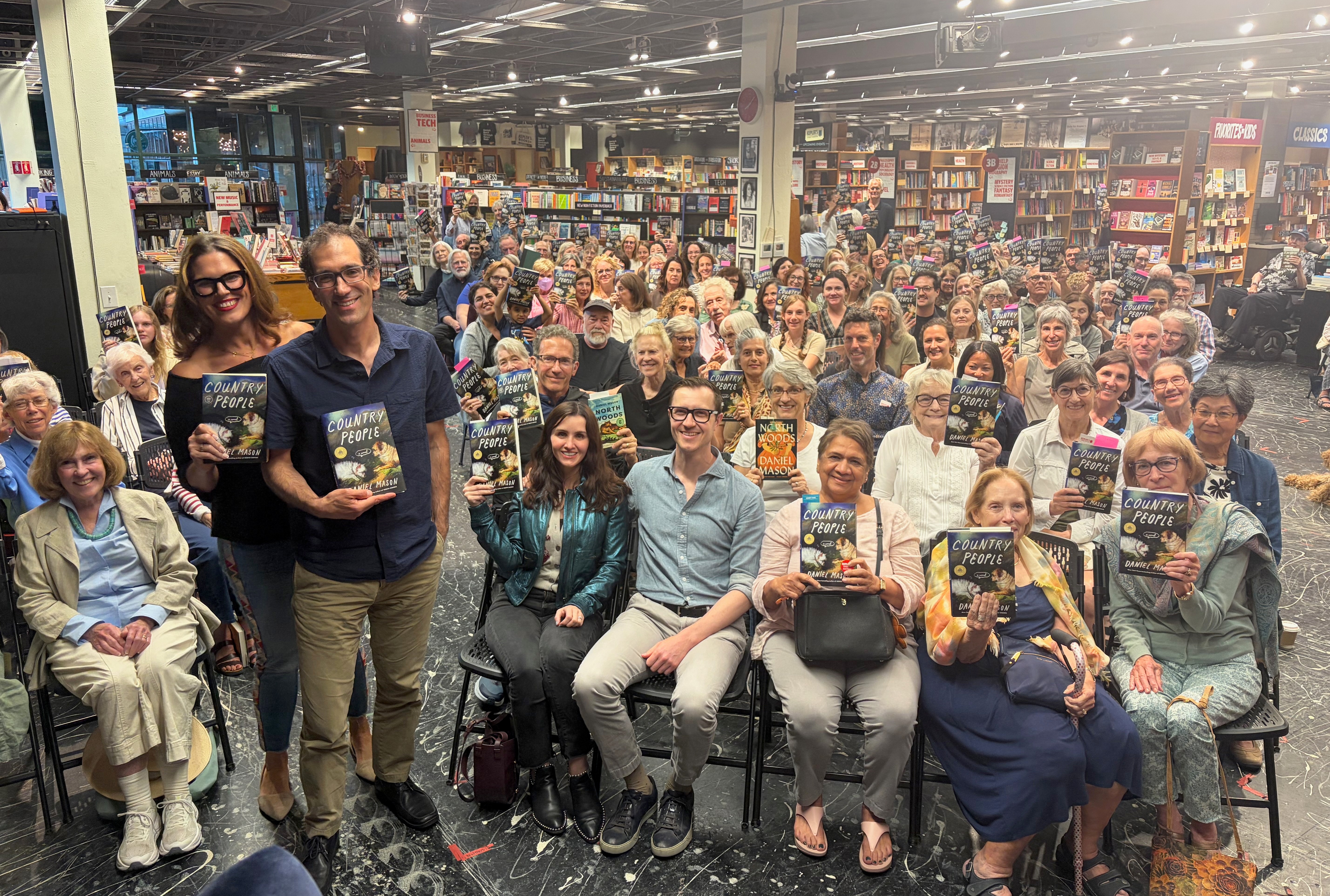 Daniel Mason visited
 "
" Off the Wall: Making Stuff Together