Joseph Caldwell, an award-winning novelist whose fiction explored faith, love, loss and moral ambiguity, and whose earlier career helped shape the cult television phenomenon Dark Shadows, died of a stroke on July 13. He was 97.
Over a career spanning more than five decades, Caldwell was a playwright, memoirist, television writer and actor, though he became best known for a series of acclaimed novels that earned praise from critics for their precise yet elegant prose and psychological depth. His honors included the Rome Prize in Literature from the American Academy of Arts and Letters, the John Golden Fellowship in Playwriting from Yale University and the American Broadcasting Company Fellowship in Playwriting.
Before turning to fiction, Caldwell devoted himself to theater and television writing. After becoming disillusioned with several theatrical productions, he joined the writing staffs of the daytime dramas Love of Life and The Secret Storm. He later became a principal writer for the Gothic soap opera Dark Shadows, where producer Dan Curtis asked the writing staff to create "a vampire for the kids for the summer." Working with fellow writer Ron Sproat, Caldwell helped create Barnabas Collins, the reluctant vampire who became the series' defining character.
Caldwell later said that giving Barnabas a conscience provided the writers with "something always to play against," transforming him from a conventional monster into a tragic figure. The character's popularity propelled Dark Shadows to an audience of about 20 million viewers and secured its place in television history.
Raised Roman Catholic, he moved to New York in the 1950s, where he began living openly as a gay man while wrestling with the tensions between his religious faith, his sexuality, and his artistic ambitions. That lifelong conflict found its fullest expression in his memoir, In the Shadow of the Bridge (Delphinium, 2019). The book recounts his youthful relationship with an emotionally distant photographer and traces its consequences across decades. It culminates in his volunteer work with AIDS patients through a program at St. Vincent's Hospital, where he ultimately cared for his former lover during his final illness
Caldwell turned to fiction in the late 1970s. His first novel, In Such Dark Places (Farrar, Straus and Giroux, 1978), follows a gay photographer who witnesses a stabbing and searches for his stolen camera, believing it contains evidence of the crime. Peter Prescott of Newsweek called it "a significant work of fiction," praising its wit, characterization and restrained style. The novel earned Caldwell the Rome Prize in Literature from the American Academy of Arts and Letters.
His second novel, The Deer at the River (Little, Brown, 1984), established him as a distinctive literary voice. Reviewing it in the New York Times, Christopher Lehmann-Haupt wrote that Caldwell had "quickly developed into a masterly storyteller," praising both his portrayal of rural New Hampshire and his ability to balance emotional tenderness with Gothic menace.
His reputation continued to grow with Under the Dog Star (Viking, 1987), which Michiko Kakutani, writing in the Times, described as both a disturbing parable of innocence and evil and a deeply persuasive account of grief and renewal.
Winning the Rome Prize allowed Caldwell to spend a year in Italy, an experience that inspired The Uncle from Rome (Viking, 1992). The novel follows an opera singer mourning the loss of his partner to AIDS who becomes entangled in an elaborate Neapolitan comedy of deception and revenge. Herbert Mitgang, reviewing the novel in the Times, praised its blend of operatic exuberance and narrative skill.
Caldwell's later novels included Bread for the Baker's Child (Sarabande, 2001), which Kirkus Reviews called "luminous and elegiac," and The Pig Did It (Delphinium, 2008), a darkly comic mystery set in Ireland that became his bestselling novel and eventually grew into a trilogy. The Pig Did It was an independent bookstore favorite, chosen for the Indie Next List and for which he toured Northeast indie bookstores for readings, as well as Irish pub readings in New York City and Boston.
His final novel, Lazarus Rising, published on the eve of the Covid pandemic, tells the story of an artist whose unexpected recovery from AIDS leads to unforeseen tragedy.
Beyond his writing, Caldwell remained deeply committed to the literary community. Beginning in the 1980s, he was awarded repeated residencies at Yaddo, the artists' retreat in Saratoga Springs, N.Y. He joined its board in 1993 and served until his death.
His commitment to public service was equally enduring. He protested nuclear weapons alongside Dorothy Day, participated in the Gay Men's Health Crisis AIDS Walks and volunteered extensively in soup kitchens, helping to found one of them.
Whether writing about rural New England, contemporary New York, Naples or Ireland, Caldwell returned repeatedly to characters seeking grace after loss. His work examined the difficult coexistence of faith, desire and conscience with quiet compassion, qualities that earned him the admiration of critics and a devoted readership. --Joe Olsham and Carl Lennertz







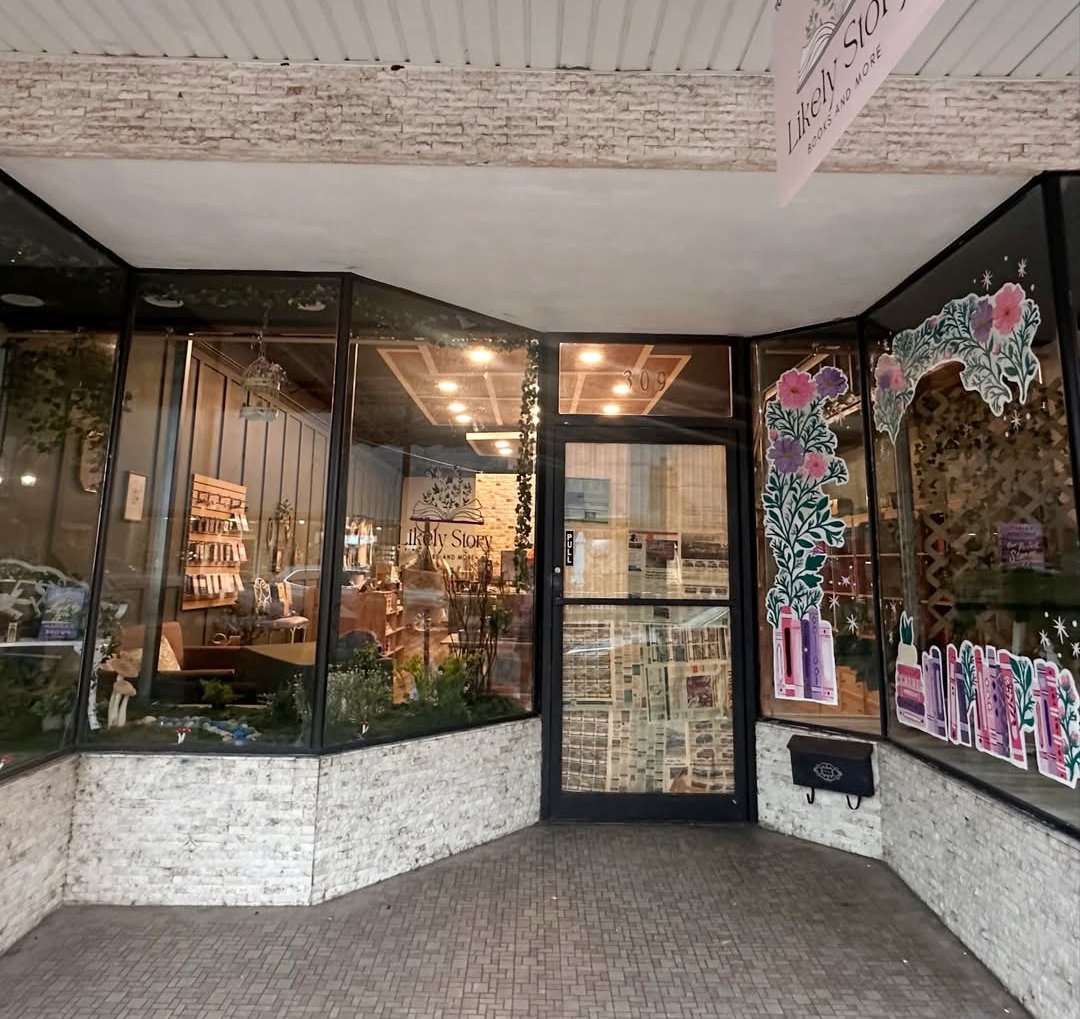

 Thank You Books in Birmingham, Ala., which announced plans

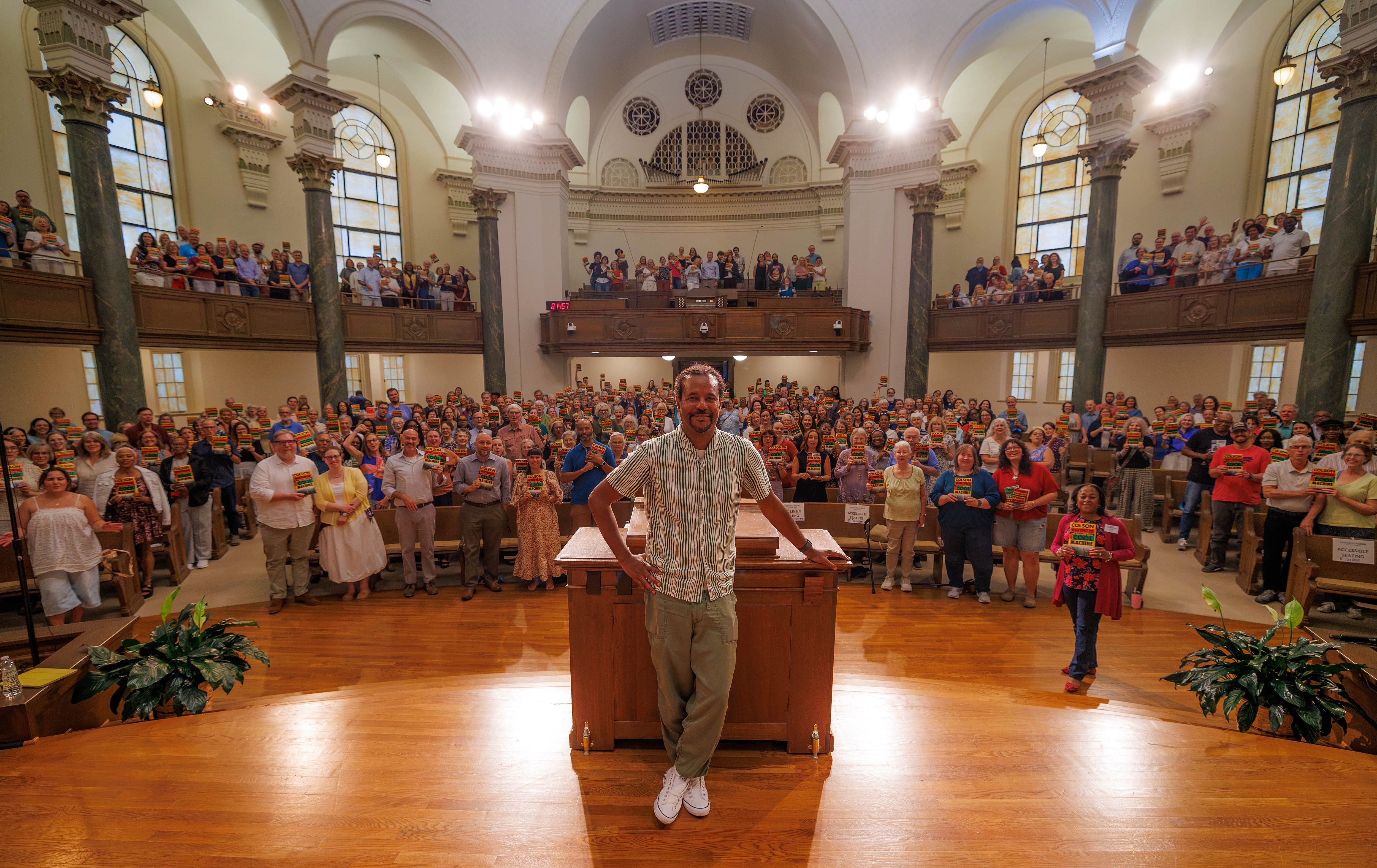 Bookmarks
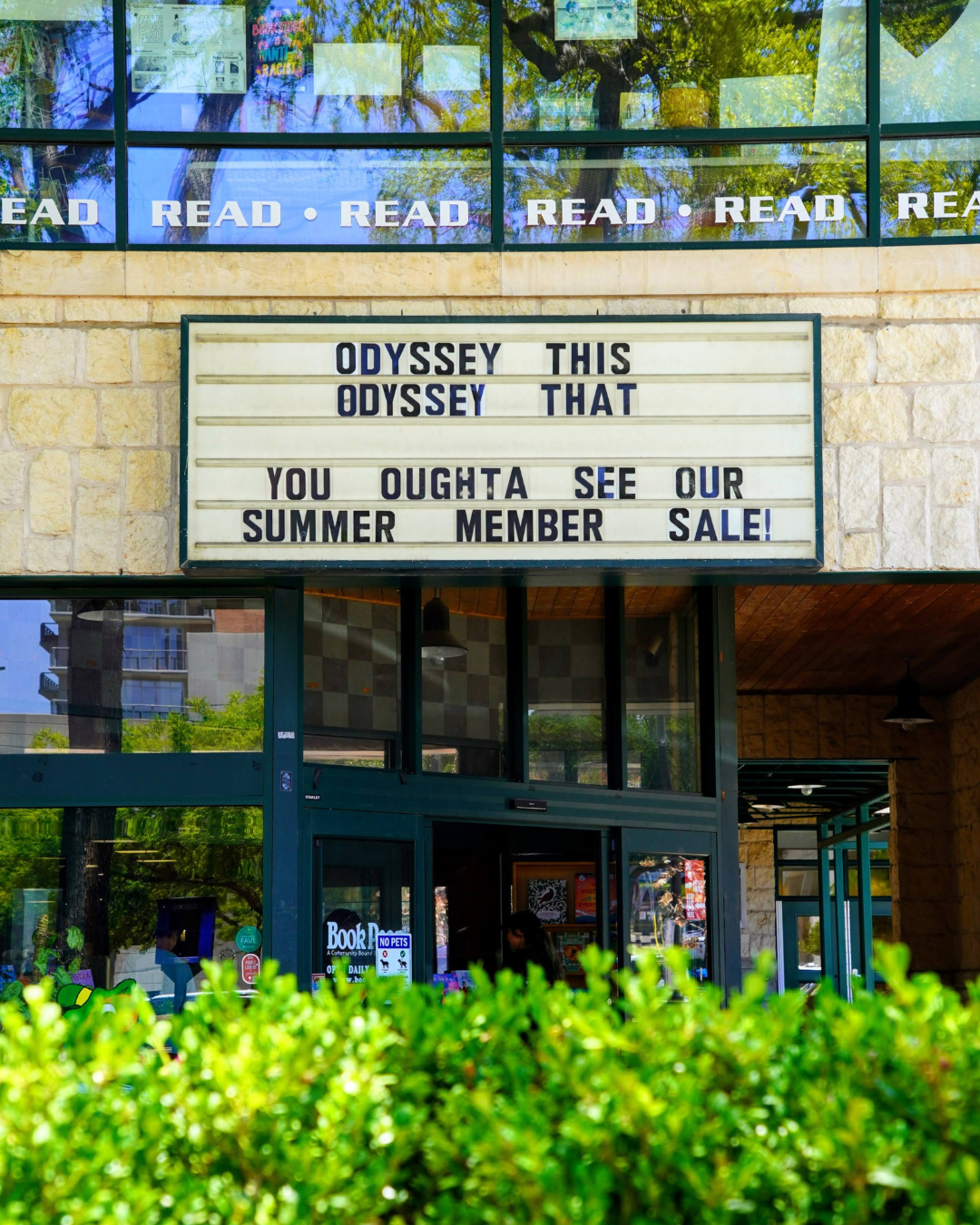 "
"
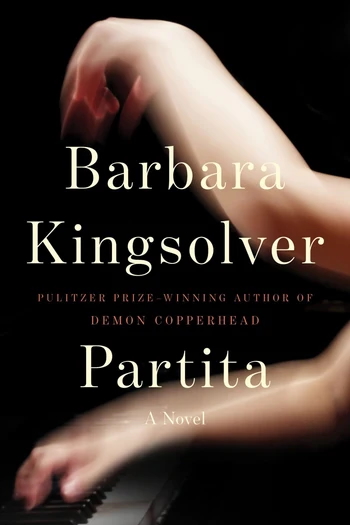 In Barbara Kingsolver's bittersweet 10th novel, Partita, a piano teacher revisits a tumultuous period in her life after an old flame makes contact.