 |
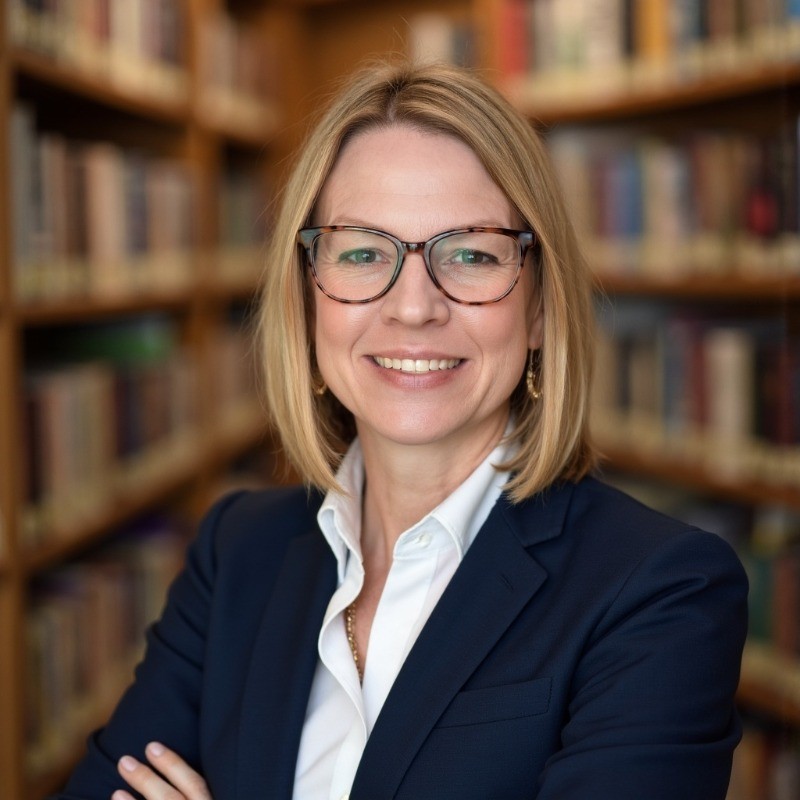
| Molly Guptill Manning |
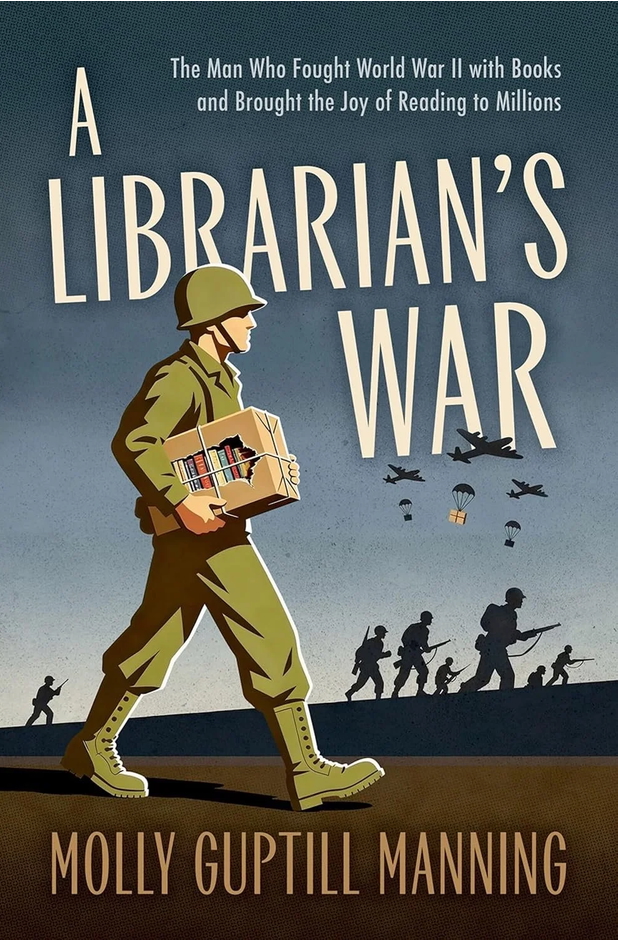
Molly Guptill Manning is an historian, curator, and professor of law at New York Law School who's written New York Times bestselling nonfiction books about real heroes from World War II who devoted their lives to keeping books alive, safe, and available to readers all over the country. Her newest book, A Librarian’s War: The Man Who Fought World War II with Books and Brought the Joy of Reading to Millions (Oxford University Press), published yesterday, introduces readers to a man who dedicated his life to instilling a passion for reading and unhindered access to books.
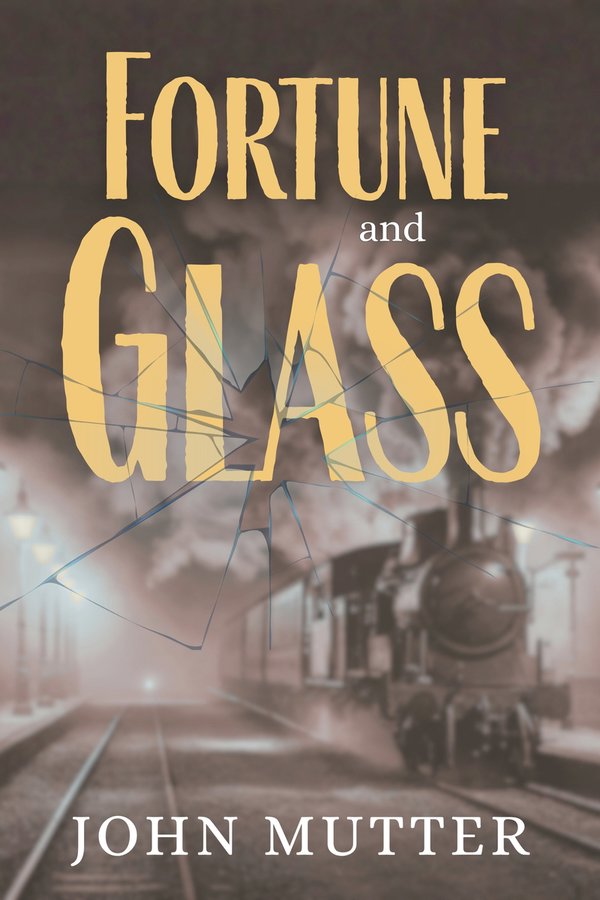
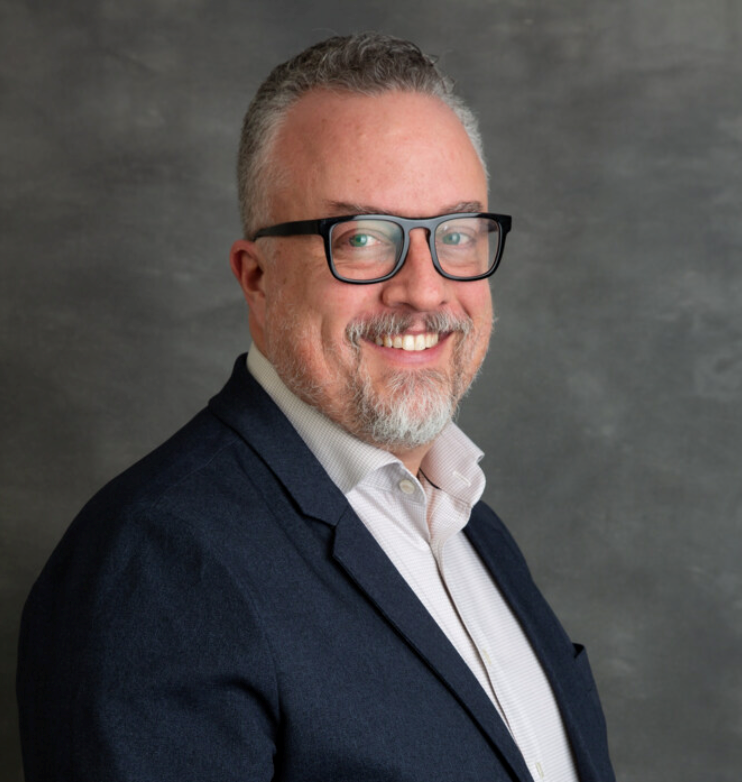
As co-founder and editor-in-chief of Shelf Awareness, John Mutter has had a long career writing about books and the publishing industry. Next week his own (first) book will be published. Fortune and Glass (Left Field Publishing), an historical novel, part philosophical spy novel and part literary love story inspired by the true story of an unsung hero from World War II--an employee of the German Foreign Ministry who was an anti-Nazi and found a striking way to fight fascism.
Molly and John will discuss the differences and similarities, as well as the pleasures and challenges of creating a fictional character--even one based on a real person, vs. telling the factual story of a hero without the ability to exaggerate or make up anecdotes.
 |
| John Mutter |
Kim Dower, poet and principal of PR firm Kim-from-LA, moderates the conversation.
Kim Dower: "The subjects of both books are unsung heroes whose stories take place during World War II. Most of us have never heard of either of these men, though each was courageous, and each played an instrumental role in keeping democracy safe. Molly and John will discuss the differences and similarities, as well as the pleasures and challenges of creating a fictional character--even one based on a real person--versus telling the factual story of a hero without the ability to exaggerate or make up anecdotes.
"Did you not exaggerate, Molly, at all, or make up any anecdotes when you were talking about Ray Trautman?"
Molly Manning: "I didn't. I let the story be what it is, and of course that can be frustrating, because sometimes there are details that I would love to know, and there are just no records of them. And so the story ends up being shaped by what materials still exist, what facts I can find, and just trying my best to piece together the entire story."
KD: "Your work is totally based on fact. And John's book, which is fiction, is based on this character who was real, but he got to make it all up. How much would you say was made up versus what you actually knew about your hero?"
John Mutter: "I would break it up into several parts. The character based on the real person Fritz Kolbe is about half the book, but there are several other characters, particularly his best friend, the woman who he was in love with earlier, and his wife--who are made up.
"I did play with the real character a bit. For one, there were a lot of blanks about him that I filled in. And there were other aspects that I changed to make the novel flow better. For example, before the war started and after the Nazis took power, Fritz Kolbe was moved around from different German foreign embassies in Spain, South Africa, Turkey, and I conflated them into one place. I didn't want to have to explain those moves.
"But the key things I tried to keep that very close to what actually happened. For example, giving top-secret German documents to the U.S. Embassy in Switzerland, I kept the same timing, starting in summer 1943 and going to the end of the war."
KD: "The goal is to keep the story moving. And the first order of business is the story, not the facts. Would you agree with that?"
JM: "Yeah, definitely."
KD: "So in nonfiction, it's the opposite. The goal and the allegiance is to the facts, but you still have to keep the story moving. Molly's book reads like a novel, but it's true. And that's the key.
"It's my belief that one has to be in love with one's characters to write a book. You're spending years with this person, and if they're boring or you don't like them, who needs it? We've got enough of that in real life, right? So, you were both in love with your characters, and it shows.
"Molly, how did you meet Ray Trautman, and how did you continue to be in love with him throughout the writing of the book, and John, the same, and you two talk about that?"
 MM: "I first encountered Ray Trautman when I was writing When Books Went to War over a decade ago. His name came up a few times, but there weren't any details about what he did because only the publishers had donated their records to archives.
"After that book was published, Ray Trautman's sons contacted me, and invited me to visit them, saying that they had all of their father's materials from World War II. I happened to have travel plans near their home, and so we spent a day together. They regaled me with stories about their father's feats. They showed me boxes of diaries, photographs, letters, and documentation. Of course, their father was a librarian, so he kept everything, thank goodness, and they did too.
"Over the next few years, we stayed in touch and they continued to tell me stories about their father over the phone. I kept thinking, 'I cannot believe what this one person accomplished.' I had been working on a different book during these years, but when I finished that, I asked how they would feel if I attempted to write their father's biography and tell his story. They offered to give me full access to Ray Trautman's records, and that really helped get the book started.
"But the twists and turns I discovered! When I began, I had no idea Trautman was a ghostwriter for FDR, did favors for Eleanor Roosevelt, befriended Ernest Hemingway, made Douglas MacArthur so angry that he was threatened with insubordination charges, and was almost killed when on a fact-finding mission for Dwight Eisenhower. He worked with the American Library Association, the American Booksellers Association, and so many famous publishers. Along the way, he distributed a half-billion books and magazines, transforming America into a book-reading society. Soldiers returned home with a reading habit, shared their love of books with their families, and a penchant for reading has been passed down from generation to generation. All of this happened because Trautman believed that everybody should have access to books and libraries.
KD: "I can see why you were in love with him for 10 or 15 years."
MM: "Every time I got to the end, whether it was the first time I wrote it or through editing it, when he passes away, it's just crushing to me."
KD: "I think that's the best illustration of why other people would choose fiction. You can keep them alive. You can decide when to kill them and what they're going to do next.
"John, your character doesn't die in the book."
 JM: "Right, and in real life, he died in 1971, neglected and forgotten, which was sad in its own way, but he did what he wanted during the war: he did his best to fight the Nazis.
"I had several reasons for falling in love with the character. I've always been interested in history, and my Dad was the kind of dad who, if we needed a Christmas present, we gave him a World War II book. He was a teenager during the war and had a map on his wall, with pushpins to mark the front lines, and he had older relatives who were in the war, including a cousin who died in Italy.
"I grew up in a town where there was a lot of Jewish people, and there were several people I knew whose families were deeply affected by the Holocaust. I had a friend whose mother grew up in Vienna, and the family left in 1938, when the Nazis took over. I had a girlfriend whose father left Germany right before Kristallnacht in 1938. His parents were supposed to come next but after Kristallnacht, the Nazis stopped allowing Jews to emigrate, and they perished. I have another friend whose grandfather's brother's family all died. It was a very real thing.
"I spent a junior year in Munich in the '70s, and met people with different experiences and stories about the war. I had a good friend who got along with his father, who had been in the Wehrmacht, but hated his grandfather because his grandfather had been in the SS.
"On the other hand, once I talked for a while with an older woman on a train about a bunch of different things, and then she started talking about the war--and 'the tragedy.' I wondered what the tragedy was. The Holocaust? Fifty million people dying? And she said, Allied bombers had dropped a bomb on the tea house in her backyard and destroyed it.
"I had wanted to write something about the war, the Holocaust, the Nazis, but wasn't sure how to approach the subject, in part because still 80 years after World War II, so many books about it come out every year.
"Then I stumbled on a biography by a French journalist of Fritz Kolbe. It came out in the U.S. 25 years ago, and kind of sank without a trace. I was fascinated, because I had never heard of this man who gave 1,600 top secret Nazi documents to the Americans. His handler in Bern, in Switzerland, was Allen Dulles, who eventually became the CIA director. Dulles called Kolbe the best spy the Americans had in Europe in World War II. He was an ordinary man doing extraordinary things, and I did fall in love with him.
"But in contrast to your situation, Molly, there was not that much information about Kolbe because from the American side, he was dealing with the OSS, the predecessor of the CIA, and you know how they are about secrets. In Germany after the war, he wanted to return to the Foreign Ministry when West Germany was formed, but by then what he had done came out and most people considered him a traitor even though so many people who did little or nothing against the Nazis said they resisted them.
"Kolbe wrote about what he had done and considered doing a memoir but didn't. What he wrote, of course, was all his point of view. Most of his material was given by his widow to his son, who lived in Australia. The French biographer befriended the son and traveled to Australia and read all this material, quoting it a lot in the book. There are quite a few blank sections of the book, so to speak, where the author acknowledges not knowing for sure what happened.
"So there isn't much material about Kolbe, and there aren't many paths to take to find out more about him, because he and all his contemporaries are dead.
"In a way, I was given the opportunity to fill in the blanks in a way that enhanced his story."
KD: "Do you each feel that you've given a new life to these people. Molly, there are librarians all over the country who are going to be reading about him who've never heard about him. What do you think will happen when people read about Trautman now?"
MM: "While Trautman's story is extraordinary--no one else has served as chief librarian of an Army with 12 million people to provide reading materials to--it is also so relatable. He believed in the power of books yet always faced so much resistance. No one really thought soldiers wanted to read books. No one wanted to provide funding for these books. Though his experience was unique, the obstacles he faced are not.
"He changed minds, battled book bans, learned how to get government funding, tried to get around resistant higher-ups, all based on his belief that books benefit people and make lives better. As troops faced combat, and the possibility they could be wounded or killed, Trautman felt no one needed books more than these men—books could inspire, give them courage, help distract them from their worries. He wanted to make sure that anybody who wanted a book would have access to them, because he believed down to his bones that nothing could improve a person’s life like reading.
"Today, of course, libraries' funding is being slashed. There are book bans across the country. A lot of the challenges that librarians face today are the same challenges that he faced. I hope that his story is inspirational and aspirational--some of the ways that he circumvented these problems might be useful to librarians today.
"It’s said that nice guys finish last, and maybe that's why both of these unsung heroes are unsung up to this point. They haven't gotten the credit that they deserve, because they were people who chased after doing the right thing--not getting attention for their actions. They were even willing to risk their lives for what they believed. At the end of the day, I think both books will leave readers inspired."
KD: "John, there's a lot about your book and your story and your hero that's relevant today, in this very frightening part of our own history. What do you think people might glean from your hero? Even though you've given him a very exciting life, he showed bravery and faced challenges that were real. Is this character as relevant today as Trautman is?"
JM: "I didn't have the idea for the novel until I found this book, but I had been thinking, I'd love to write something about Germany and World War II in part because of two ideas I disagree with. One is a long-held one that all Germans were Nazis. The other is more recent and scarily growing in acceptance: that the Holocaust didn't really happen, or it wasn't so bad.
"When I read the book, I was impressed. This man was an ordinary man doing extraordinary things, and doing them successfully. When I read the book about 15 years ago, I thought of it as sort of like a lesson from the past that's mostly over. But now, it all feels terribly relevant--from how to fight authoritarian governments and growing far-right movements here, in Germany, and elsewhere and denial of history on a vast scale in so many areas.
"Here was one person who spent a lot of time, which I emphasize in the novel, trying to figure out what to do, and then it suddenly there was an opportunity, and he seized it. He had access to incredibly important secret documents, and because he worked in the foreign ministry, he was able to become a courier to German embassies in the neutral countries, so he combined the two things. It's very particular, but very inspiring. He did other things, too, like distribute anti-Nazi leaflets secretly in Berlin and give Jews and others blank documents to help them leave Nazi territory, but passing the documents to the Americans was the biggest action he took, with the lesson, that there are things, no matter how little, that may steamroll and may make a difference, and that one must keep trying."
KD: "In reading both of these books, you see these are human beings who didn't have an audience while they were doing what they were doing. They had just their own power of desire to make a change and live by their own conscience. I mean, you've written about history, but it seems like an historic time for us as human beings."
MM: "During World War II, there were so many talented leaders. For example, FDR was the right president for that time. He led the country through the Great Depression, then most of World War II. And some of the generals of the day: Dwight Eisenhower, who went on to become president. Douglas MacArthur. Some people loved them, some people hated them, but these leaders were doing things that really advanced the country and advanced democracy.
"But there were so many others who, behind the scenes, played important roles in preserving democracy--librarians, booksellers, and readers. That books and information were essential to winning the war wasn’t a concept that went unspoken; even FDR gave speeches about the importance of books, reading, and spreading ideas in wartime. Democracy requires the freedom to read and for people to exercise this freedom. The work of librarians and booksellers was heroic then, and now.
"If we want to replicate what the Greatest Generation did, we cannot forget the central role that books played in their lives, and how important it was for people to be able to read. It's really essential that we remember and honor this history today."
JM: "I was also attracted to Kolbe because he wasn't a well-known person. So much history revolves around a few people. Especially if you're talking about World War II in Europe, it's all about Churchill, Stalin, and Hitler. What did they want, and what did they do? It's easy to forget that there were tens of millions of people involved in various ways, or affected by it all.
"I really liked focusing on somebody who wasn't a big-name person and showing that someone like him could make a difference and help turn the course of history in a way that sometimes gets lost in historical works."
KD: "John, what would you say to people who will say, 'Why read novels? If it's not true, who cares?' "
JM: "With fiction, you can explore and focus on certain things that are harder to do in nonfiction. If I were to write something nonfictional about Fritz Kolbe, which has been done, I would be very limited to a fairly black-and-white viewpoint--he hated the Nazis, he wanted to do whatever he could to undermine them. In fiction, I was able to create, for example, an old childhood friend who becomes an SS officer. There is a lot of tension between them that affects how he operates and makes him consider making certain smaller sacrifices to save more people. I could explore gray moral areas that didn't exist in the biography and other material that I read about Kolbe.
"Also in fiction, I was able to create a love life for him, particularly with an old lover who was Jewish who he comes to protect and hide, which became in one sense a way to show the effects of the Holocaust and explore it in a way I couldn't in nonfiction."
KD: "So you can create characters and conflicts that weren't necessarily there to show the conflict that was there. The great thing about fiction is that it's made up, but nothing's really made up. It goes back to the heart and what we all feel, and what we believe, and it moves us.
"Molly is a historian and loves history. You want to know every detail, every fact. Molly, how many hours a week do you spend researching and writing? You talk about going to the archives, and I picture a dark place somewhere and you wearing a cloak, digging up facts. You love it, right?
MM: "I really do, because you have no idea what you're going to find. You might walk into archives thinking the story's going one way, and then you uncover documents pointing in a different direction. It's thrilling to handle documents knowing you might be the first person to see them since the person who made them.
"But there are also days when you go to archives and you completely strike out for a variety of reasons. Sometimes I've placed orders to see records based on short descriptions of what they are supposed to be, and they turn out to be devoid of information and details I can use.
"With historical fiction versus nonfiction, maybe it comes down to what archives actually exist. If you encounter someone who you think made a huge contribution to history, it might be a work of nonfiction if there's plenty of archival material to help us figure out what they did, and who they did it with, and all of the surrounding details. But if there's a lot less information, it doesn't mean that their story should not exist, and it doesn't mean we should forget that they did amazing things.
"When there's not enough factual material to write a whole book, one way to preserve their story and their life is to write a work of fiction that's tethered to the facts that have survived. If there is a bevy of historical materials, then a work of non-fiction might result. Both provide a way to honor a person’s story, to use what can be found. There are a lot of forgotten people and stories, and if we don't write about them, they'll remain exactly that, forgotten.
"John and I are doing the same kind of thing; we just take different routes depending on the amount of records there are to work with. Filling in the blanks and trying to create the story and build interest in a historically significant person is a noble cause, and that's what we're both driven by. I don't want to speak for John, but I feel like that's what is coming out of this conversation. We each discovered a person who was really important, who did great things, and we wrote their stories because we believe they should be remembered."
JM: "Agreed!"








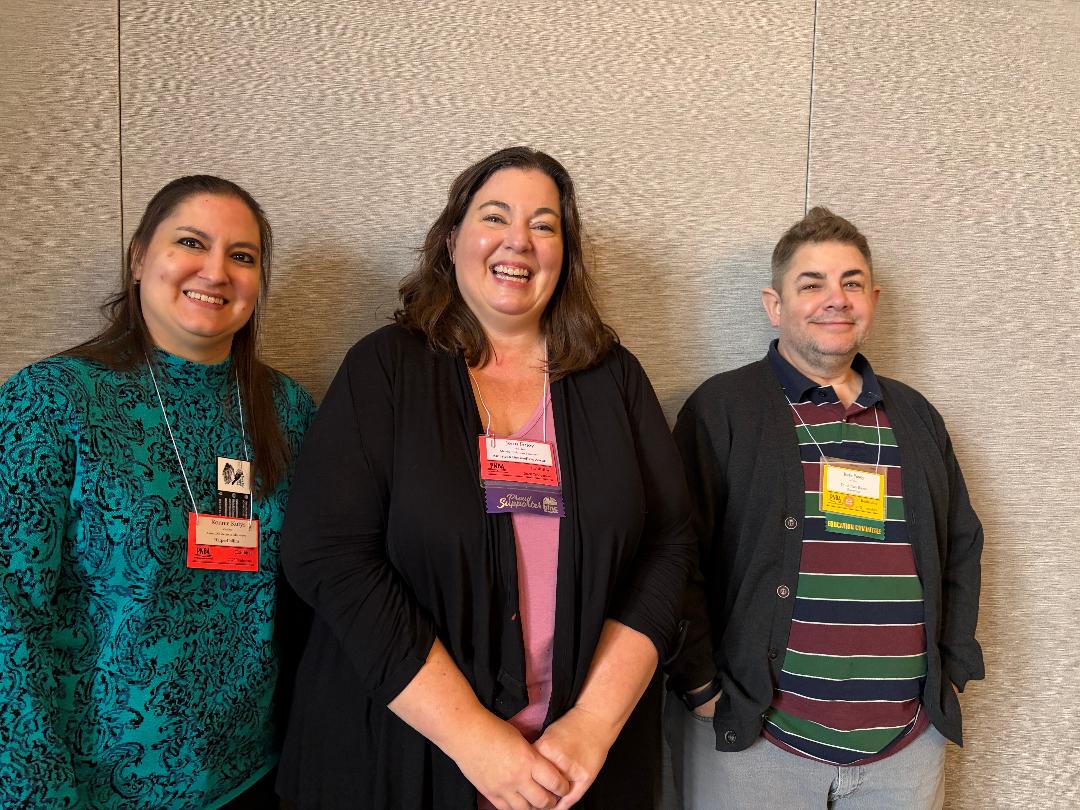
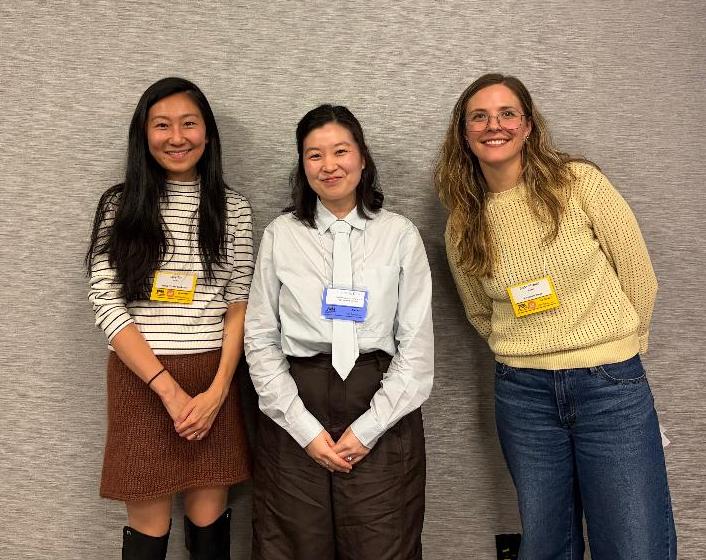
 "Spirited and robust," said Pacific Northwest Booksellers Association president Christine Longmuir of the bookseller mood at the PNBA Fall Tradeshow in Portland, Ore., which wrapped up yesterday with its day of education. With attendance that exceeded pre-pandemic levels, incoming PNBA treasurer Angela Pursel (co-owner, Next Chapter Book Store, Hermiston, Ore.) said the show energy "feels so much higher. People are very engaged."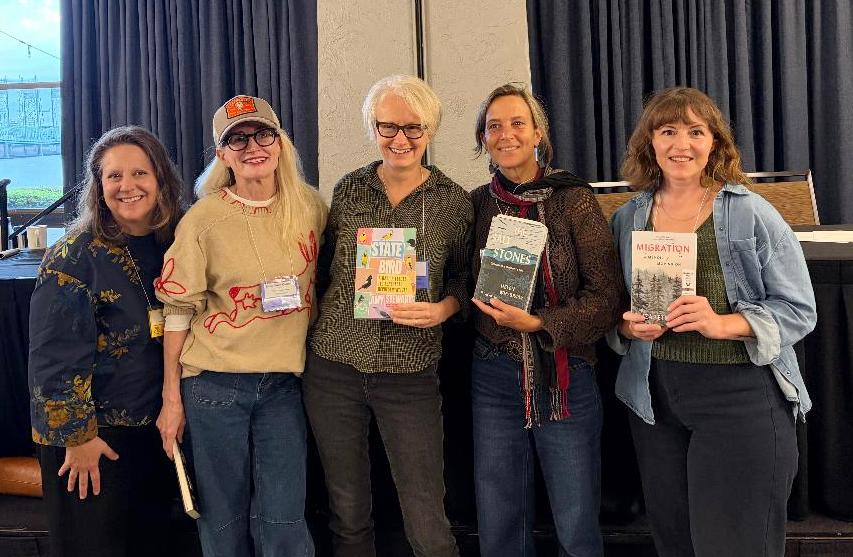


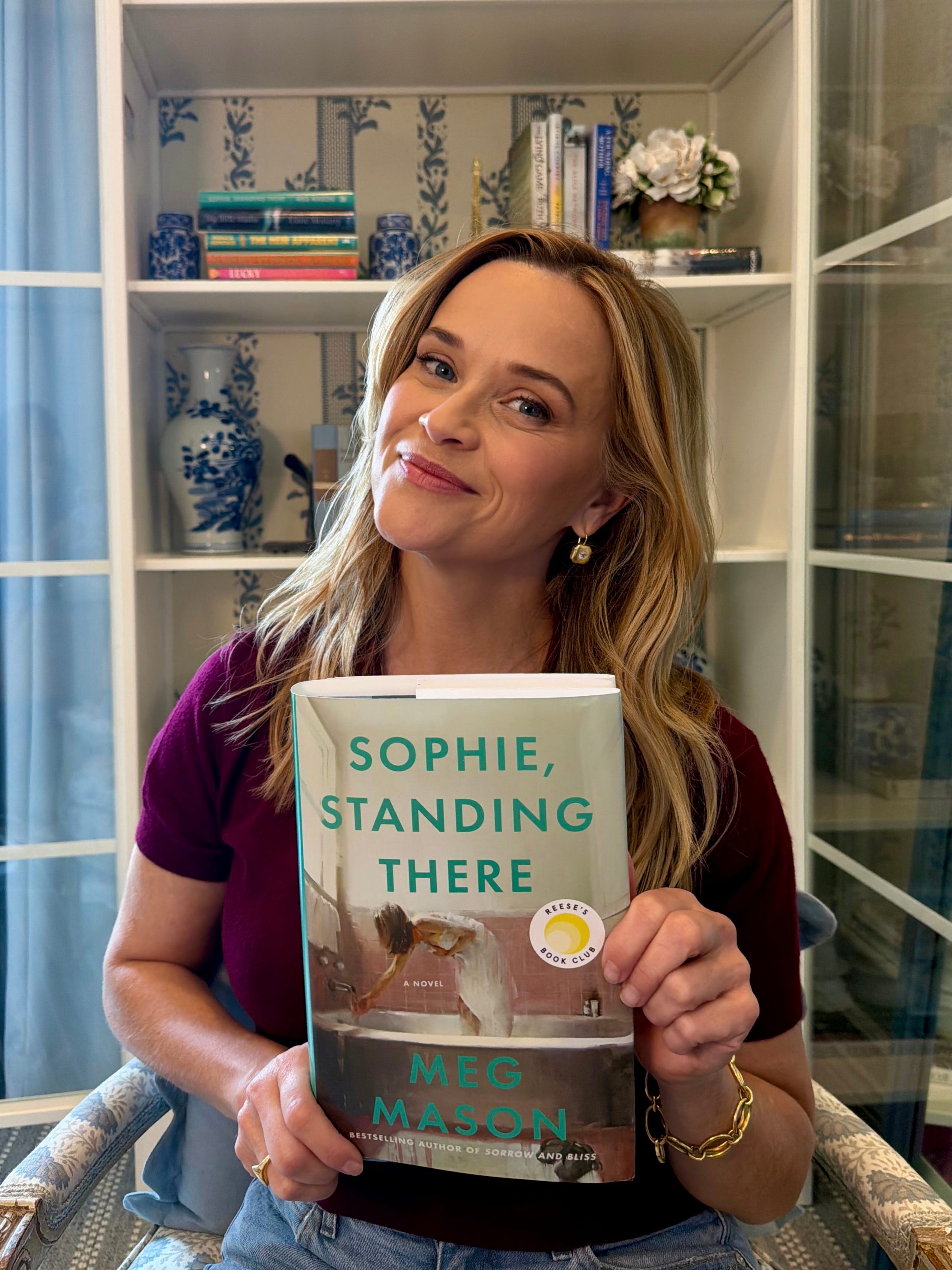 Sophie, Standing There by Meg Mason (Harper) is the October pick for
 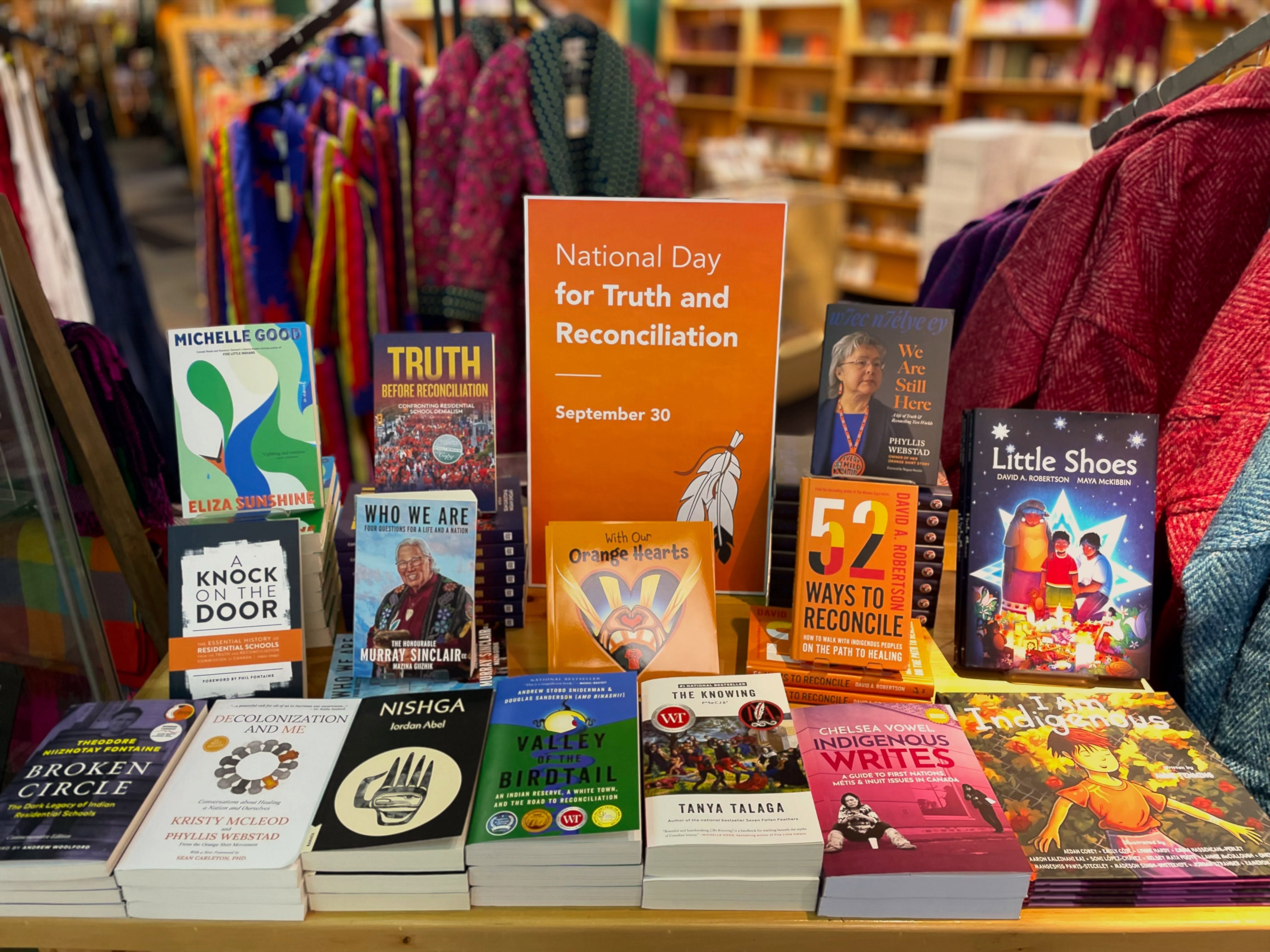 Posted yesterday by Canadian indie
  "
"
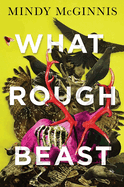
 Book you've bought for the cover:
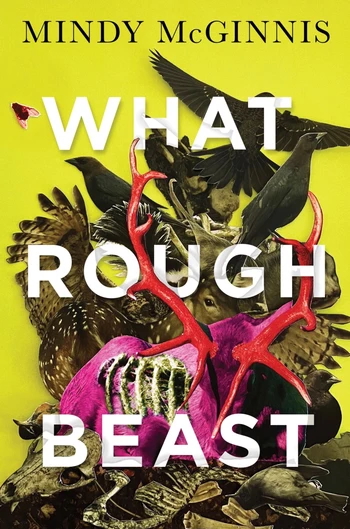 In Mindy McGinnis's YA horror tale, the ferocious What Rough Beast, a teen girl who was sexually assaulted, the boy she believes raped her, and the social-climbing girl who knows what really happened narrate an intensely damning novel of trust earned and broken.