Latest News
Minotaur Books: The Last Mandarin by Louise Penny and Mellissa Fung
May 22, 2026
WHAT TO READ NEXT: REVIEWS OF GREAT BOOKS

In this topsy-turvy world, there's a wealth of reassurance to be found in books that take you for a wild ride both gracefully and humorously. Anxietyland (Gallery Books) is a graphic memoir in which Gemma Correll cleverly frames the ups and downs of her experiences with mental illness as an amusement park with treacherous attractions. The foul-mouthed animals in Robert Isaacs's hilarious, heartfelt novel, It's Hard to Be an Animal (Grand Central), may make life challenging for the hopeful romantic at its center, but they also manage to set him on a journey of self-discovery. Meanwhile, the quick-witted yet prickly protagonists in Violet Allen's Plastic, Prism, Void (LittlePuss Press) accelerate full-throttle through interdimensional collapse in pursuit of an out-of-this-world romance. The universe may be cold and unsympathetic, but a healthy dose of laughter is sure to keep us resilient.

--Dave Wheeler, senior editor, Shelf Awareness
FEATURED TITLES
Cover

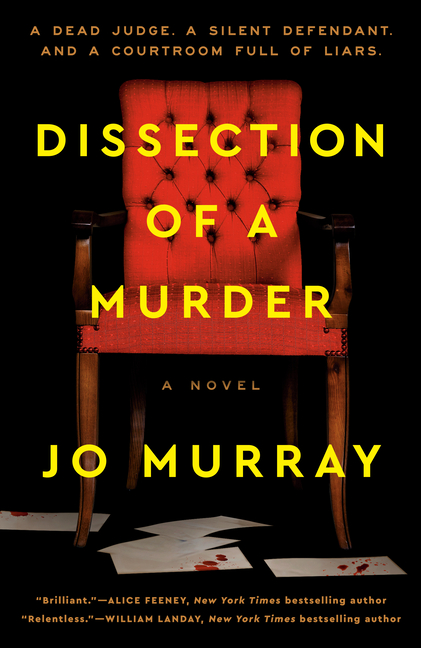
Dissection of a Murder

Jo Murray

In her first ever murder case, a junior barrister faces off against her more accomplished husband in this addictive legal thriller.
Cover

Dissection of a Murder

Jo Murray

Dutton | $19 | 9798217177004

"Yowza." Such is the reaction thriller writers probably hope readers will have when finishing their books. It's not easy to keep seasoned crime-fiction fans in the dark. Jo Murray, though? She succeeds in eliciting such a gasp with her cleverly twisty debut, Dissection of a Murder.

Leila Reynolds, a junior barrister in Durham, England, gets her first murder case when a respected judge is killed. The defendant is Jack Millman, a client whom Leila unsuccessfully represented years earlier in an assault case, resulting in him going to prison. Why he insists she be his barrister again is a mystery, as is what happened the night the judge died. The scene of the crime is Jack's flat, but he refuses to explain, saying he'll only tell the truth in the witness box during trial. As if Leila's job isn't hard enough, the case's prosecutor is King's Counsel Julian Kesler, Leila's husband and former mentor, who knows all her strategies because he taught them to her. It becomes clear to Leila that she can win the case or keep her marriage, but she can't do both.

It's also clear that Murray, a former criminal barrister, knows exactly what she's doing in this addictive legal thriller. Like Jack, she reveals information only when necessary, doling out details that land like explosions. No wonder Apple TV+ has snapped up Dissection of a Murder to be the basis for season 2 of its hit show Presumed Innocent. With this many twists, readers should presume nothing. --Elyse Dinh-McCrillis, reviewer and freelance editor at The Edit Ninja

Cover

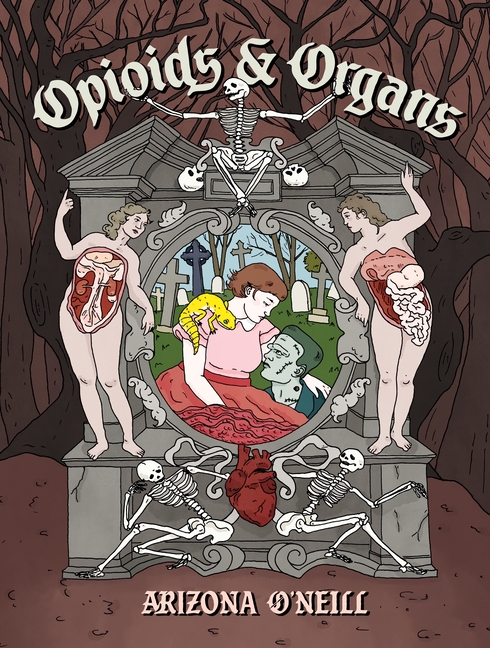
Opioids and Organs

Arizona O'Neill

Graphic novelist Arizona O'Neill presents a striking debut about the organ industry that benefited from her 41-year-old father's death from a fentanyl overdose.
Cover

Opioids and Organs

Arizona O'Neill

Drawn & Quarterly | $30 | 9781770468450

Montreal-based Arizona O'Neill's superb graphic novel debut, Opioids & Organs, strikingly melds vulnerable memoir, illuminating explorations of historical and contemporary medical industry, investigative international travelogue, and razor-sharp literary references.

When Arizona receives a heartfelt letter from a stranger whose life was saved through organ donation--her father's heart beats in his chest--a friend responds, "This is great.... Something good came from his death." Arizona initially queries, "Do you think they know the heart is from someone who died of a fentanyl overdose?" then quickly devolves into agonized accusations: "The medical industry is stealing organs from the opioid addicts.... They let my dad die and USED HIM FOR PARTS!" O'Neill magnificently transforms that rage into both testimony and exposé of how "Canada's opioid crisis is helping put an end to the organ shortage in our country."

Arizona's father died in 2015. Despite sustained addiction struggles, his 41-year-old comatose body was otherwise "young, healthy, and well preserved." At the hospital, instead of getting answers surrounding his collapse and brain death, Arizona had legal papers pushed upon her to "donate his organs to those suffering from a more... 'acceptable' illness." Years later, Arizona demands to know more and embarks on an epic journey through graveyards, academic institutions, libraries, museums, Parisian catacombs, and an Alice(-less) Wonderland.

O'Neill proves her superlative artistry across every page, balancing simplified line art with meticulously detailed realism (her architectural backgrounds are particularly stunning). Her "weird daydreams" manifest with cameos by fantastical creatures, animated body parts, and human meat markets. "I am hoping that by telling my story, I will be able to make peace with it." --Terry Hong

Zonderkidz:  America, I'm So Glad You Were Born: Celebrating the Country We Love by Ainsley Earhardt, illustrated by Kim Barnes
Cover

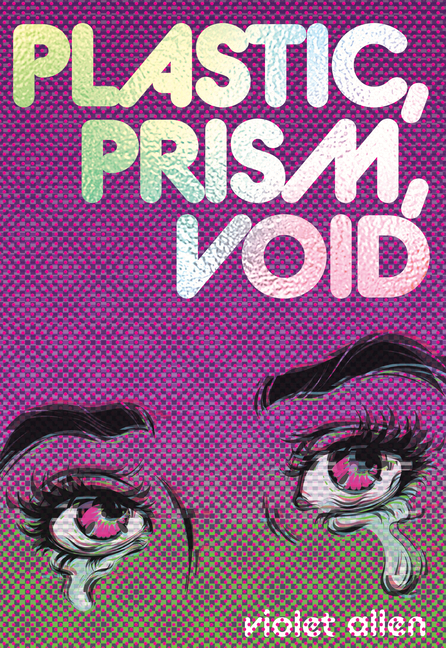
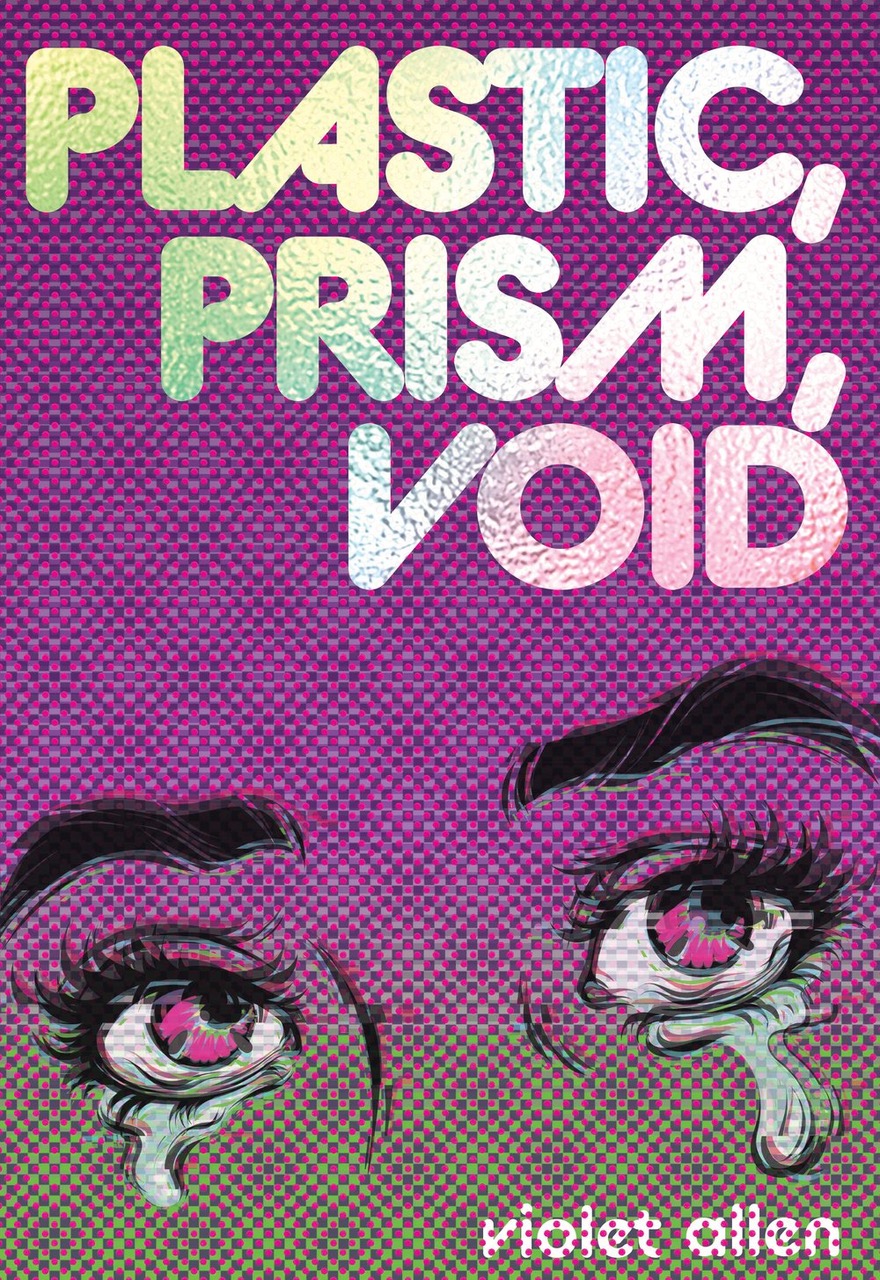
Plastic, Prism, Void

Violet Allen

Plastic, Prism, Void is a raucous crossover of literary fiction meets romantasy following an interdimensional trans romance.
Cover

Plastic, Prism, Void

Violet Allen

Littlepuss Press | $19.95 | 9781964322025

Plastic, Prism, Void by Violet Allen is a bold, experimental novel--a riotous crossover of literary fiction meets romantasy. Acrasia is a fabulously messy writer and magickal Moth Queen. Opus is a hyper-masculine but secretly tender pilot for a tiger bodybuilder-shaped mech from another dimension. And their turbulent romance develops in bursts when their universes periodically overlap.

Acrasia's dramatic, over-the-top voice can't hide her vulnerability no matter how much she wants it to. It makes for laugh-out-loud reading as she observes the indignities of life, such as dogs dirtying the water that "I, a citizen of this metropolis who might one day make enough money to pay the taxes that fund this park, am inclined to splash in from time to time. Can you believe it? Unsanitary." She is a delightful and supremely unreliable narrator.

As the two universes collide, time destabilizes; the novel reflects that through a nonlinear structure. The text plays with form, too, varying sections of script, transcripts, and some poetic line breaks, plus narration that occasionally breaks the fourth wall. But even as Acrasia's relationship with Opus plays out in nonsequential scenes and non-traditional formats, Plastic, Prism, Void's familiar beats--of meeting and hating each other, through to the inevitable romantic escalation--keep the story grounded.

This first volume in a planned series explores the darker side of their romance, with more to come on the how-and-why of their individual personalities. Plastic, Prism, Void is a trans romance for fans of This Is How You Lose the Time War and other innovative fiction. Violet Allen is an engaging talent to watch. --Carol Caley, writer

Cover

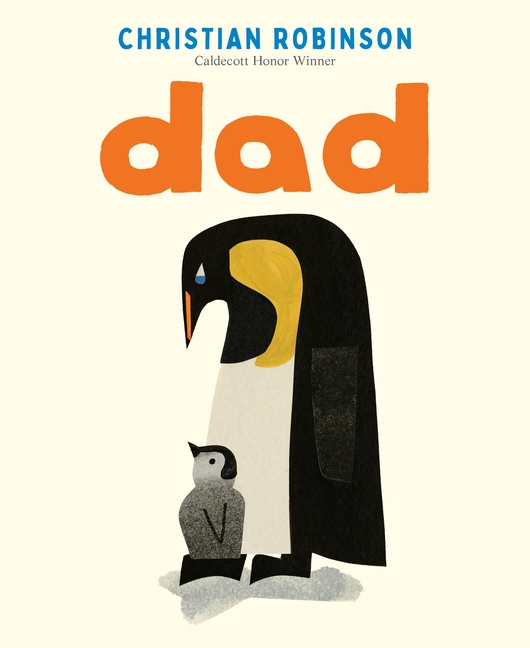
Dad

Christian Robinson

Christian Robinson's Dad is a reflective picture book that depicts many kinds of fathers and the different shapes fatherhood can take. 
Cover

Dad

Christian Robinson

Balzer + Bray | $19.99 | 9781250397041

Dad by Caldecott Honor winner Christian Robinson (Last Stop on Market Street by Matt de la Peña; You Matter) is a perceptive picture book that presents fatherhood with tender, direct honesty. Through spare language, Robinson offers young readers a nuanced look at the many roles fathers play. Each spread pairs a brief declarative phrase with a different animal father and child: a gorilla with its infant, a fox family, an owl and owlets, a shark and pups. The pared-down text, never more than 10 words per spread, describes actions and states of being. A father may be present, protective, or playful, but sometimes he must leave or needs distance. These simple statements invite children to interpret what they see and consider why a dad might act in certain ways. For example, an owl father's departure may raise questions for young readers, which can encourage inference or start conversations about the responsibilities that pull caregivers away.

Robinson does not present fathers as flawless. Some spreads acknowledge that dads can disappoint or make mistakes, while others emphasize comfort and support. The result is a portrayal of caregiving that balances strength with vulnerability. Robinson's distinct illustrative style uses clean compositions and uncluttered backgrounds that keep the focus on the relationships depicted, allowing the emotional cues in the animals' body language to guide readers. A brief spread of back matter introduces the animals and gives facts about each species' parenting habits. This addition connects the story's themes to the natural world. Dad--gentle, reflective, and accessible--affirms that fatherhood can take many forms. --Julie Danielson

Interlude Press - Duet Books: A Different Kind of Enemy by Lee Wind
BOOK REVIEWS
Cover
The sudden ability to hear animals speak offers perspective, romance, and adventure to an awkward young man in this whimsical, tender first novel.
Cover

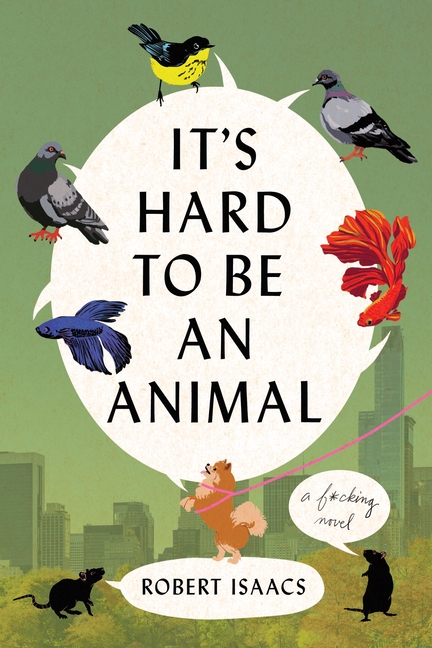
It's Hard to Be an Animal

Robert Isaacs

Grand Central | $18.99 | 9781538773284

Robert Isaacs's first novel, It's Hard to Be an Animal, is a feat of humor, yearning, adventure, angst, and romance. In following a lonely, self-doubting protagonist, this remarkable debut manages to be about all of life, in its most unlikely twists.

Readers meet Henry on a first date with Molly at a sidewalk café in Manhattan. Coffee goes well, so they take a walk in Central Park, where Henry spots a magnolia warbler. The sweet, decorative little bird considers the pair, and then speaks. "Fuck off," it says clearly to Henry and then continues in a similarly foul-mouthed territorial vein. When Henry gets home, he discovers his housemate's two betta fish involved in an exchange of creatively nasty insults. The situation continues with dogs, a police horse, pigeons: Henry can now hear animals talking. If that fact were not shocking enough, they all seem to be terribly angry.

Painfully conflict-averse, Henry is challenged enough by human drama; fat-shaming sparrows and judgmental pythons threaten his threadbare mental health but also offer perspective. When he overhears subway rats discussing a body-disposal site, he inadvertently lets it slip to the unusually adventurous Molly. The budding couple soon find themselves enmired in the subway system and an intrigue of increasingly high stakes. And a neighbor's yappy Pomeranian turns out to be the font of wisdom that the pushover Henry needed. In a newly cacophonous world, he may finally find his own voice.

It's Hard to Be an Animal is one laugh, dire escapade, or poignant moment away from either disaster or nirvana. Hilarious, heartfelt, ever-surprising, Henry's story is one of hope, redemption, and self-discovery. --Julia Kastner, blogger at pagesofjulia

Cover
This twist on the historical romantic drama considers a lady's maid, the valet she falls for, and the wider world for which she yearns.
Cover

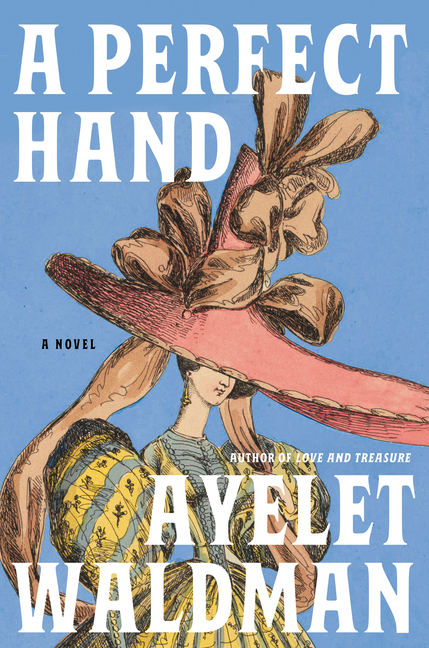
A Perfect Hand

Ayelet Waldman

Knopf | $28 | 9781101875346

A Perfect Hand by Ayelet Waldman (Bad Mother) is a captivating historical drama, an appealing romance, and a story of political awakening, cleverly packaged as a novel of manners. Set in English country estates and the grimy city of London in the 19th century, this rollicking narrative ranges from frivolous upper-class parties and fancy dress to the literal and metaphorical dirty laundry that the service class must process.

Alice Lockey, the daughter of a tenant farmer, has worked her way up to the position of lady's maid to Lady Jemima, the silly, indulged elder daughter of a lord. She meets Charlie, a valet to a viscount, and they tumble into a courtship, but they wish for more. Quickly realizing that their employers' marriage is the only route to their own, they determine to set up Lady Jemima and the deeply eccentric Lord Wynstowe. This is a tall order, but the young lovers are highly motivated and well positioned for persuading.

Even as their schemes near fruition, however, Alice learns and yearns and grows. She encounters pamphlets by Mary Wollstonecraft and John Stuart Mill. Questions of class reflect directly on her life and Charlie's, and Alice wonders what the suffrage movement might do for even a servant girl. A Perfect Hand works subtly on several levels, exulting in the details of the Victorian setting, exclaiming over Alice and Charlie's sympathetic romance, and pressing the exceptional heroine toward her best and truest self. With a nod to Jane Austen but a firm focus on the servant class, this versatile novel will entertain and stay with readers long past its final pages. --Julia Kastner, blogger at pagesofjulia

Cover
In this entertaining mystery, the fictional Anthony Horowitz investigates the murder of the actor playing his detective partner, Daniel Hawthorne, in a movie about their first case together.
Cover

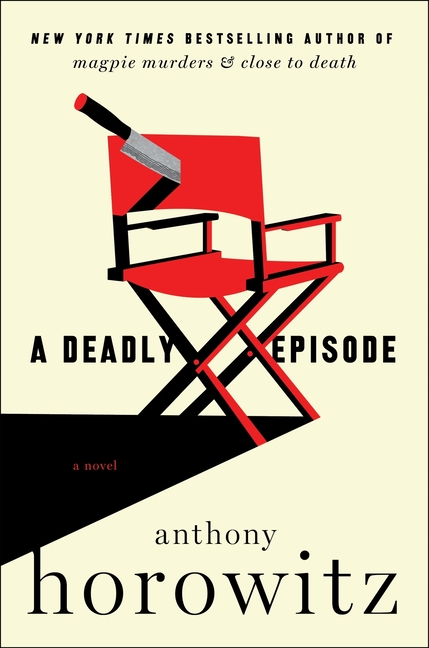
A Deadly Episode

Anthony Horowitz

Harper | $32 | 9780063305748

In 2018, renowned author and screenwriter Anthony Horowitz (Magpie Murders) published The Word Is Murder, the first volume in the Hawthorne and Horowitz series about a Sherlock Holmes-like detective whose sidekick was a version of Horowitz himself. Five cases later, the entertaining A Deadly Episode revolves around the fictional screen adaptation of the series' first installment. Horowitz and the novel The Word Is Murder are real, but the film and Hawthorne are not. Got that?

A Deadly Episode opens three weeks into filming. Production is rudely halted when David Caine, the actor playing Hawthorne, is stabbed to death in his trailer. Suspects include the producer, the director, the writer, the actor playing Horowitz--pretty much everyone who has worked with Caine. Conveniently, Hawthorne is on location as a consultant and proceeds to investigate.

As he's done throughout this superb series, the real Horowitz delights in taking readers through the metaverse of his career and humiliating his fictional self. Every notable English actor--Hugh Grant, Colin Firth, even Miriam Margolyes, inexplicably--passes on playing the author in the film. Hawthorne gets a car and driver as the film's paid consultant, while Horowitz has to take the train and then walk to the set, where he's merely a spectator. But the real writer is the opposite of pedestrian. As his alter ego digs into Hawthorne's mysterious past, which seems connected to Caine's murder, A Deadly Episode's author reveals new layers to his characters, deepening the bond between them as well as between readers and this series.--Elyse Dinh-McCrillis, reviewer and freelance editor at The Edit Ninja

Cover
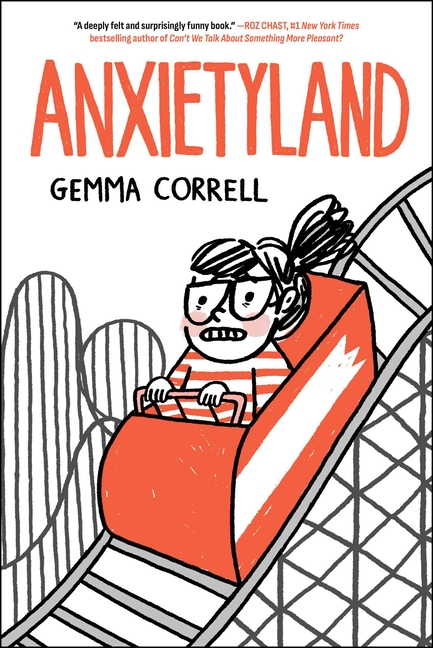
Anxietyland, a vulnerable graphic memoir, takes readers on a trip through the carnival of author-illustrator Gemma Correll's wildly creative mind.
Cover

Anxietyland

Gemma Correll

Gallery Books | $33 | 9781668004159

Fans of Allie Brosh are sure to love Anxietyland, the clever graphic memoir by Gemma Correll. Correll's story begins in the summer of 2018 when she was in the middle of a weeks-long anxiety spiral at her home in Northern California. She envisions her mind as a carnival of sorts. It's called Anxietyland and has attractions including the Worry-Go-Round, Hanxiety Falls, and more.

Correll takes readers back to her childhood in England, revealing how anxiety stalked her from an early age. Her first panic attack occurred in the elevator at the mall, but at the time, she didn't have words for what ailed her. Throughout school and university Correll struggled to cope, but she always felt that therapy sounded "very fancy and self-indulgent. And therefore, very un-British," so she'd never tried it. However, in 2018, she became desperate and admitted herself into a voluntary daytime "partial hospitalization program" near Berkeley, Calif. There, Correll spent eight hours a day working through her anxiety and the depression she was diagnosed with in college. Correll's simple, whimsical art comes in two shades: blues for her present mental health work, and reds and pinks for her undiagnosed and stressful early years.

Tender and vulnerable, Anxietyland sensitively explores one direction that anxiety and depression can take. Correll shares anecdotes from her darkest days but also shows how the hospital program helped her finally confront her distress. Anxietyland is perfect for those who believe in using humor to get through hard times. --Jessica Howard, former bookseller, freelance book reviewer

Cover
Fortune adds thrilling romantic tension to an endearing friendship in a novel about a bride honeymooning with her childhood best friend after being stood up at her wedding.
Cover

Our Perfect Storm

Carley Fortune

Berkley | $30 | 9780593953242

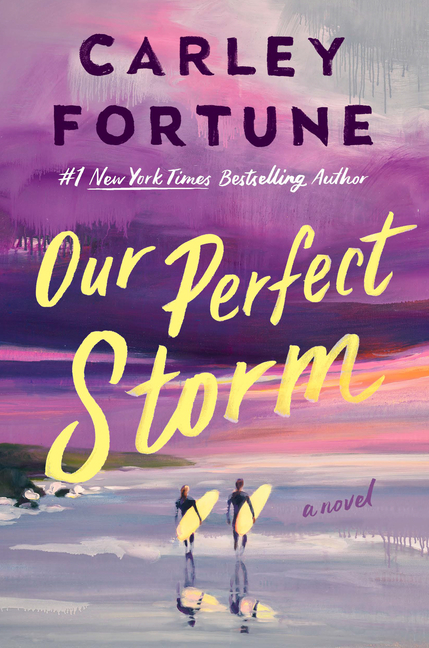
In Carley Fortune's Our Perfect Storm, Frankie's biggest fear at the beginning of her wedding weekend is that her childhood best friend and best man, George, isn't going to attend. What she doesn't anticipate is her fiancé standing her up. He leaves Frankie with only a brief note written on hotel stationery, and she spends months wondering what she did wrong. When George suggests they go on Frankie's honeymoon together, she agrees, seeing it as an opportunity to mend fractures in their friendship.

After they arrive at the beautiful coast of British Columbia, George presents Frankie with his plan: "We have seven days in Tofino," he tells Frankie, "Seven days to heal your broken heart." George's extensive itinerary includes daily themes such as "wallow" and "memorialize." Corresponding activities--relaxing on a tranquil private beach, learning to surf in glistening waves, hiking through the magnificent rainforest--make Frankie face the past and begin to view George through a fresh, enticing lens.

In chapters that shift between past and present, Fortune (This Summer Will Be Different; One Golden Summer) portrays the endearing childhood memoires, awkward teenage tensions, and heated adult attraction that develop into a beautifully nuanced friends-to-lovers romance. Frankie and George's playful friendship is perfectly paired with captivating romantic sparks, producing witty banter and a strong connection. As Frankie finds her spirit again and imagines what it would be like to follow her heart, Fortune's talent for capturing the sparkle of true love shines under the Tofino sun in Our Perfect Storm. --Clara Newton, freelance reviewer

Cover
In this memoir, Cuban American historian Ada Ferrer delves into her family's complicated history.
Cover

Keeper of My Kin: Memoir of an Immigrant Daughter

Ada Ferrer

Scribner | $30 | 9781668025659

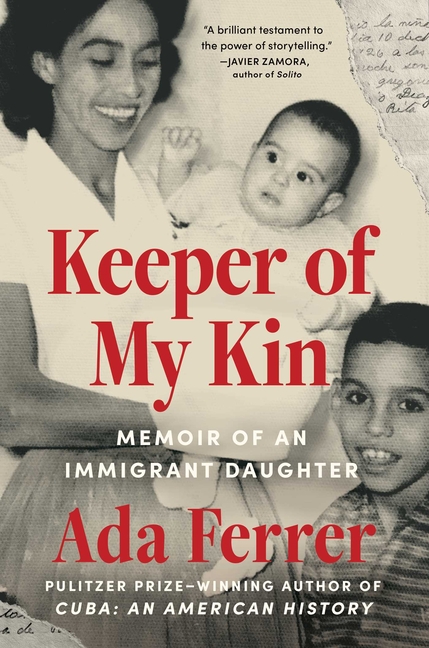
Cuban American historian Ada Ferrer (Cuba: An American History) delves into her family's experiences in her powerful, bittersweet memoir, Keeper of My Kin. Through a combination of archival research, personal experience, and family letters, Ferrer recounts her immigration as a young child to the United States with her mother, her life in the States, her family's deep and lasting connections to Cuba, and the troubled life of her older half-brother Poly, who initially stayed behind. While Ferrer's narrative is a parallel accounting of two children's lives--one with American advantages and one without--it is also a haunting reflection on storytelling, who creates narratives, and who gets to decide whose story is worth telling.

Ferrer weaves together her experiences of childhood in the U.S. with stories of her extended family back in Cuba. She portrays the triumphs and challenges of Fidel Castro's regime, linking well-known historical events to her family's particular narrative: for example, Poly's journey from Cuba to Florida during the 1980 Mariel Boatlift. She explores the effects of both chance and choice, the weight her mother carried due to her children living in two different countries, and Poly's complicated experiences as a young man in Cuba and the U.S. Ferrer also points out the complications of visiting Cuba on a tourist visa and as a historian; though her blood and family history tie her to the island, paperwork has often made it complicated for her to visit.

Sprinkled with family photos and excerpts from letters, Keeper of My Kin is a poignant tribute to the bonds of familial love across history, geography, and political and personal challenges. --Katie Noah Gibson, blogger at Cakes, Tea and Dreams

Cover
Brigid Washington's mouthwatering memoir serves up thoughtful reflections and juicy kitchen drama from her time at the Culinary Institute of America.
Cover

Salt, Sweat & Steam: The Fiery Education of an Accidental Chef

Brigid Washington

St. Martin's Press | $30 | 9781250333377

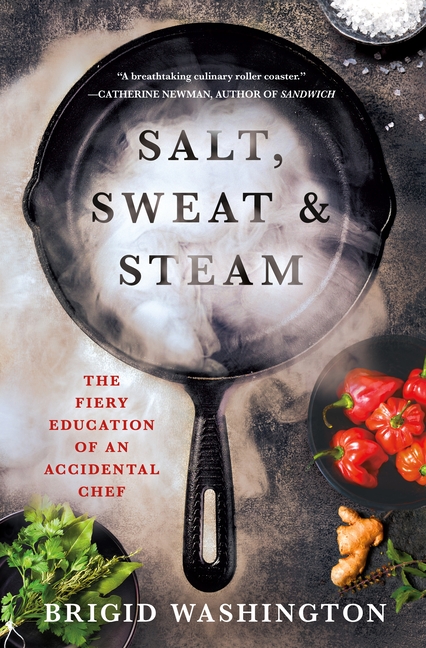
Brigid Washington's mouthwatering memoir, Salt, Sweat & Steam, makes liberal use of its three titular components to season the story of Washington's time as a student at the Culinary Institute of America.

Reeling from a breakup, Washington left her life in North Carolina to enroll at the CIA, plunging into its famously rigorous chef-training curriculum: knife skills, restaurant law, gastronomy, the history of various cuisines from around the world. As a Trinidadian immigrant, Washington knew the value of her own culinary tradition but quickly learned she was out of her depth in the Institute's rarefied, exacting atmosphere. She writes candidly about her sloppy habits, lack of sleep, and apparent inability to juggle all the ingredients of life at the CIA. However, she carved out a place for herself as editor of the student newspaper, La Papillote, and relished the challenge of interviews and article-writing alongside studying for demanding practical exams.

Working to prove herself in the kitchen, Washington came to ask herself what she wanted outside of it, and some interpersonal drama and an illuminating trip back to Trinidad clarified her desires. A complicated fight for the perfect internship threatened to derail her plans, but in the end, Washington emerged from the CIA stronger, grounded, and more confident: seasoned, like the dishes she'd spent endless hours learning to make.

Brimming with tasty descriptions and lashings within the kitchen, Salt, Sweat & Steam is an insightful look at how one woman learned to nourish herself. --Katie Noah Gibson, blogger at Cakes, Tea and Dreams

Cover
In this brave memoir, a professional runner who won championships as a teenager reclaims her voice, skewers the exploitation of young athletes, and demands more and better for the future.
Cover

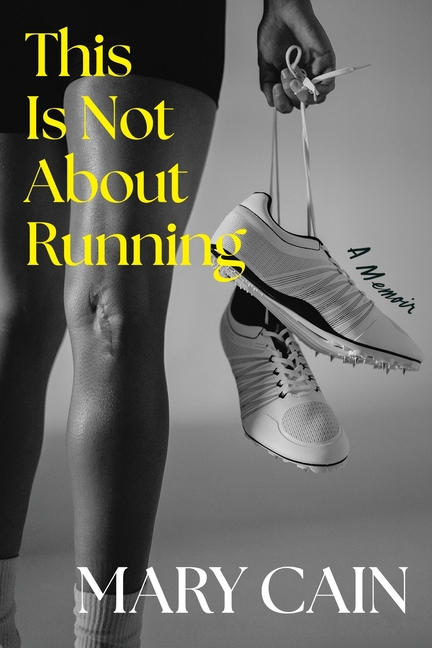
This Is Not About Running

Mary Cain

Mariner Books | $29.99 | 9780063441880

Former professional runner Mary Cain lays bare her tumultuous experience as a teenage running phenom in her debut memoir, This Is Not About Running. Through a brutal, no-frills structure with short, journal-esque chapters, Cain effectively conveys how hard it is to recognize abuse as it happens, especially as a teenager or young adult. Cain discovered her talent for and love of running in middle school, paired with a relentless work ethic. Her growing list of accomplishments spurred jealous bullying from other athletes and their parents, which affected her ability to find a consistent, supportive coach.

As a teenager, Cain landed at Nike's Oregon Project, which focused on sourcing and training the best runners in the U.S. She came under the tutelage of prominent coach Alberto Salazar and hoped she had finally found a safe, supportive space. Instead, she tumbled into an environment where elite athletes were pushed to their physical limits, injuries were disregarded, extreme weight loss was demanded, and emotional manipulation occurred daily. After Cain left professional competition, allegations about Salazar's abuse surfaced and were investigated. Cain spoke out publicly in a way that ultimately helped dismantle the Oregon Project, and Salazar eventually was banned from the sport permanently.

This Is Not About Running bravely censures the culture and systems that demand so much from young athletes while ignoring abuse in the pursuit of money and success. Cain unflinchingly reclaims her story from this culture, which spoke on her behalf for too long, and shares the beginning of her healing journey while adamantly calling for change in the sport she loves. --Kristen Coates, editor and freelance reviewer

Cover
In this subtle but powerful debut YA novel, a Native Hawaiian teen explores connection, heartbreak, and identity through poetry.
Cover

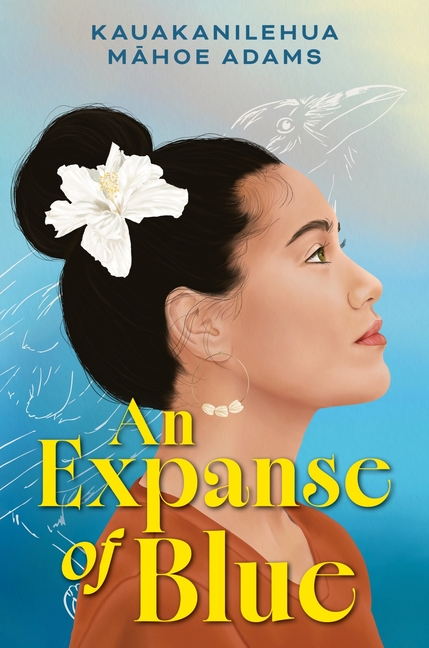
An Expanse of Blue

Kauakanilehua Māhoe Adams

Heartdrum/HarperCollins | $19.99 | 9780063417953

In her debut YA novel-in-verse, An Expanse of Blue, Kauakanilehua Māhoe Adams offers an intimate slice of life about grief, sisterhood, and the power of being seen.

Aouli Elizabeth Smith, a Kānaka (Indigenous Hawaiian) teen living in Hawk Valley, Wash., is unmoored. In Hawaiian, her name means "blue, sky, expanse," and she holds that meaning close to her heart. But lately, she feels lost in that great swathe--she is not pliant and perfect like her sister Kāia; not silent and godly like her mother; and is one of the few brown faces in the crowd of white that is her suburb and church. Her stoic father's moods have begun to shift unpredictably, the entire household subject to their sway. Aouli finds some solace in her journal, a place for "all the songs in [her] head to go," though they are less songs and more "lyrics/ aching/ for a melody." But when Aouli discovers a life-altering secret on her father's phone, even that safest of havens becomes tainted.

In the tradition of Elizabeth Acevedo's The Poet X and Dean Atta's The Black Flamingo, An Expanse of Blue is a novel-in-verse with spare text and expansive feeling. As Aouli moves through a particularly turbulent time, Adams uses the urgent language of poetry to convey Aouli's inner world. Additionally, Adams tells the story from inside a specific diasporic community, which, because of its diaristic format, makes An Expanse of Blue intrinsically intimate. But as is so often true of poetry, its specificity is what lends to its universality--in the wide expanse of space between Aouli's words, anyone might find a piece of themselves reflected. --Mariel Fechik DesLaurier, librarian, freelance writer, music reviewer

Cover
In the picture book Tama and Baby, Kaya Doi whimsically highlights the sibling-like bonds between humans and their furry family members.
Cover

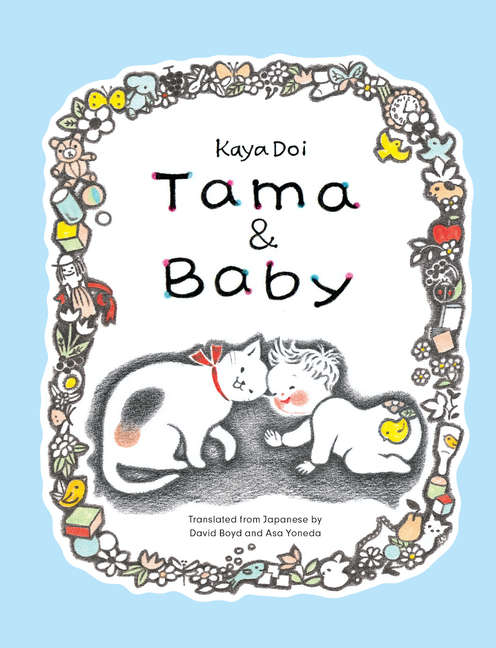
Tama and Baby

Kaya Doi, trans. by David Boyd and Asa Yoneda

Enchanted Lion | $16.99 | 9781592704613

Kaya Doi, creator of the Chirri & Chirra series (The Snowy Day), presents her first standalone picture book, the charming Tama and Baby, an import translated from the Japanese by David Boyd (Chirri & Chirra translator since the fourth title) and International Booker Prize shortlisted Asa Yoneda.

"A baby has come to Tama's house": Doi visually signifies an immediate connection between Tama and baby through the infant's rosy cheeks, which match the kitty's calico markings. Tama is initially cautious--she's "never seen a baby before." Baby just sleeps at first, "but Tama is in for a big surprise" when the baby cries through the night. When Tama notices Baby fussing, she learns to make Baby laugh. Tama becomes Baby's constant companion, even when Baby grabs Tama's tail and gnaws on it. The duo become "the best of sisters," but like all siblings, occasional conflicts are unavoidable. Tama graciously acknowledges that she should know better: "I am the big sister. Baby is still so little." Baby keeps "growing and growing and growing..." but to Tama, she'll "always be her baby sister."

Doi uses gently textured color-pencil drawings to underscore Baby and Tama's unbreakable bond through recurring matching colors. In contrast, Doi's depiction of the parent is a clever, artful exercise in capturing negative space that uses flowing black outlines and shadows; this technique adds energy to Baby and Tama's tumbling play, interactive meals, and symbiotic rest. Younger audiences, especially those with beloved non-human siblings, will recognize and celebrate Tama and Baby's invitingly irresistible devotion. --Terry Hong

Cover
A gender nonconforming Indian American 12-year-old navigates physical and emotional changes in this tender, expansive middle-grade novel.
Cover

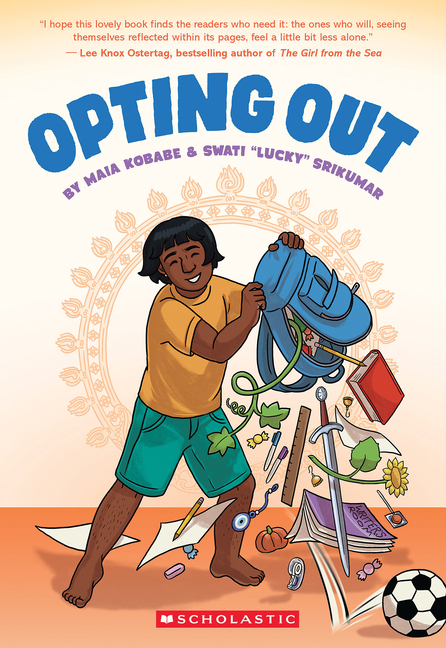
Opting Out

Maia Kobabe and Swati "Lucky" Srikumar

Graphix | $14.99 | 9781339012247

Stonewall Book Award Honor winning creator Maia Kobabe (Gender Queer) collaborates with debut author and illustrator Swati "Lucky" Srikumar in Kobabe's first book for middle-grade readers, Opting Out, a perceptive graphic novel about a gender nonconforming Indian American tween.

Newly 12-year-old Saachi is just about to start seventh grade and wants nothing to do with the changes that come with growing up. To her horror, her life begins to shift immediately: she gets her first period; her peers begin splitting into boy/girl couples; and she feels her BFF Lyla drifting away. Saachi feels "in the middle" of the gender binary and wishes she could be perceived for her writing, not her body: "I want people to read my words, but not look at me. Is that a gender?"

As Saachi navigates uncomfortable peer dynamics and increasing pressure from gender expectations, she finds comfort and inspiration in both her Indian and Hindu identities. Detailed depictions of the 10 avatars of Vishnu emphasize Saachi's connection to her religion as her kind and understanding Appa delivers gentle wisdom: "Growing up is part of life, kutti. Even the gods change." Saachi's authentic bilingual (English and Tamil) voice shines through in her journal, inner monologue, and conversations with loved ones.

The thickly lined illustrations take shape inside traditionally square and rectangular panels and interpret Saachi's fluctuating emotions and flourishing selfhood in several ways. The result is a meticulously developed character whose experience will likely resonate, especially with queer and Indian American readers. --Kieran Slattery, freelance reviewer, teacher, co-creator of Gender Inclusive Classrooms

Cover
In this heartwarming LGBTQ+ YA romance a Black teenager navigates sexuality, a secret romance, and high school pressures after falling for a girl at a Christian camp.
Cover

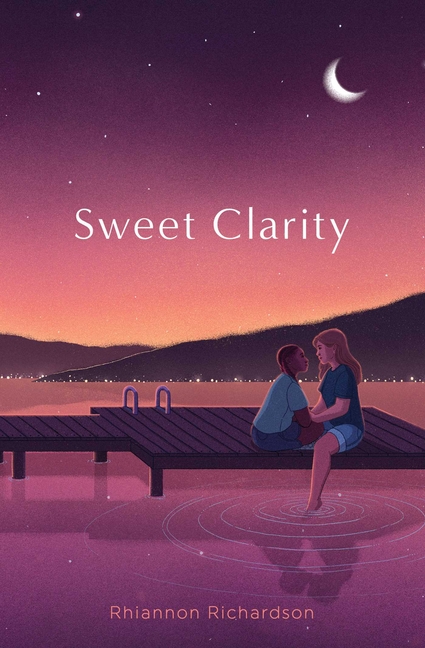
Sweet Clarity

Rhiannon Richardson

Simon & Schuster Books for Young Readers | $19.99 | 9781665912389

In Rhiannon Richardson's delightful, heartfelt LGBTQ+ YA romance, Sweet Clarity, a Black teen learns more about her faith and identity as she falls in love for the first time.

Clarity Jones, a Black high school senior, had both the best and worst summer at Camp Refuge, a Christian camp run by her church. While there, she developed a relationship with "rosy"-skinned Hannah, a fellow camp counselor and classmate. Hannah opened something inside Clarity that felt right: "I had never kissed anyone before. And I had never thought about kissing a girl.... But it made sense." When the girls are caught, though, Clarity and Hannah are forced to deal with judgment from peers and Clarity confronts questions about her sexuality, her faith, and her future.

Clarity decides to hide her feelings about Hannah from her Baptist parents and her best friend, Kristen--"old-school Baptists, don't take so nicely to the idea of someone being gay." Once the school year begins, however, Clarity must interact with Hannah as co-presidents of the school fall festival. As she attempts to navigate the expectations of her community and religion, Clarity struggles to find the very thing for which she was named.

Richardson (The Meet-Cute Project) delivers a sweet and accessible romance that thoughtfully explores themes of sexuality, race, and religion. Clarity's alternating reflections on her summer camp and school ("Then" and "Now") relationship with Hannah add depth to the narrative and highlight Clarity's internal conflicts. Readers who enjoyed You Should See Me in a Crown by Leah Johnson and The Lesbiana's Guide to Catholic School by Sonora Reyes may also appreciate Sweet Clarity. --Natasha Harris, freelance writer

The Writer's Life

Violet Allen is a science fiction and fantasy author whose riotous, experimental novel Plastic, Prism, Void follows the quick-witted, time-hopping romance between a magick demi-goddess and a mech pilot from another dimension. They each want love but their prickly personalities make vulnerability a hilarious struggle, offering Allen plenty of opportunity to explore the differences between likable characters and difficult people.

The Writer's Life

Violet Allen: Difficult People as Likable Characters

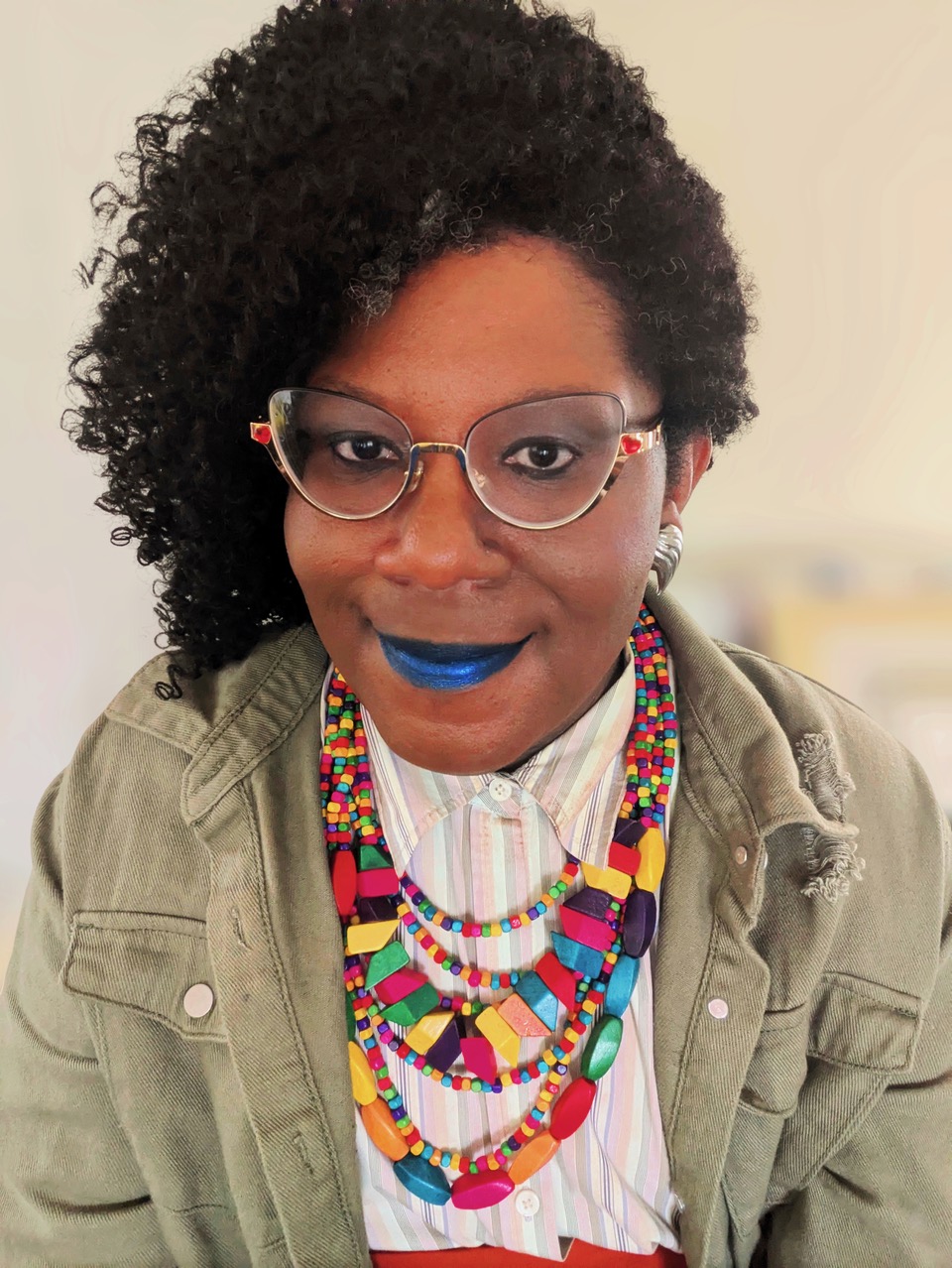
Violet Allen is a science fiction and fantasy author whose short stories have appeared in Lightspeed Magazine, Best American Science Fiction and Fantasy, and more. Plastic, Prism, Void (LittlePuss Press) is a riotous, experimental debut novel that follows the time-hopping trans romance between a magick demi-goddess and a mech pilot from another dimension.

Something that absolutely hooked me on this book was the protagonist. She is so gorgeously layered and messy. Can you tell me about the process of writing such an engaging person/Moth Queen?

Acrasia is fun to write because she's a comically exaggerated version of myself, possessing all of my flaws and few of my virtues, voicing my meanest opinions and acting out my impulses. Originally I came up with her for a different project that fell through, but I was so enchanted with her as a character and a voice that I tried to find the perfect story for her, which turned out to be this book. 

She's so brash and there's this intense love/antagonism with her friends. But I thought her vulnerability came through almost immediately and made me relate to her. Do you see her as one of the unlikable female characters we talk about these days?

Well, she is openly abrasive. At best she's nice to her friends--kind of? In a lot of fiction people want women to always be nice and show a soft side. And in some progressive circles, Black trans women have become a signifier of wisdom and are assumed to have special activist powers. Acrasia is pushing against that. She doesn't want to be wise, she wants to be smart--and she wants you to know it.

So she's not fitting the box we want to put women--and specifically Black trans women--into?

Yes, she knows that box is there and is purposely pushing on it. I would also say that sometimes these discussions miss that unlikable characters and unlikable people are different. I wrote her to be likable as a character--she's funny and entertaining--but you maybe wouldn't want to be her friend in real life. The likability of female characters is often tied to agreeableness and pleasantness rather than being someone you enjoy reading about. So Acrasia wants to be likable and lovable, but on her own terms, which in some situations can be very admirable but in others can be deeply frustrating. 
I think that's a fascinating distinction because I often find characters I really enjoyed reading getting labeled as unlikable. I wonder about the social constructs that are underlying those labels.

I thought a lot about how there are many different qualities that get grouped together as unlikable. There's definitely misogyny there in the way women are judged more harshly, but also some of that is affected just by the mechanics of how books work. There's relatability vs. being interesting vs. admirable qualities like heroism or kindness. Different readers are attracted to different things.

I do think Acrasia is nicer than she lets on. A lot of her abrasiveness is a pretty shallow performance. So she doesn't actually like violence, but she likes to act like she does. She wants to project that she's tough and mean and decadent, despite being a fairly soft, sensitive person. She's also extremely needy but can't admit that. She wants the reader to like her, but she spends a lot of time negging them, like, you don't know as many languages as I do, you haven't read as many books as me, you didn't go to as good a school as me, but you should love me anyway.

That comes through when she starts breaking the fourth wall and addressing the reader in a very specific way I haven't seen before.

It's inspired by a lot of things, but I would particularly shout out Grant Morrison, a Scottish comic book writer who's famously very weird and metafictional. They call out that you're reading the comic book and then it affects the story in a lot of their work. I've always liked metafiction and writing that does weird things with form and voice.

I had such complicated feelings about Opus, which I think is a testament to a well-written character. Tell me, should I love him or hate him?

I mean, yes? I really like Opus, but he is meant to be a really difficult person, just as Acrasia is meant to be a difficult person. Often he's not necessarily wrong in his opinions, but he's being a dick about it. So he might be right that Acrasia's making bad choices. Or that she's trying to manipulate him. But he does not react in a great way.

Is there anything in particular about the trans themes here that you'd like to speak to?

So much of how I see these characters is influenced by their trans experience, even if it's not discussed directly. Acrasia is rebelling about conceptions of Black trans women being wise. And Opus is doing this exaggerated performance of masculinity.

Part of what they like about each other is that they're both doing a bit of a camp performance. There's more backstory about that coming up in the second book. There's this trap as a trans person: you might be seen as gender non-conforming before you transition and then afterwards you're suddenly a stereotype. It can of course be a benefit in mainstream society, but it changes how you are seen in queer, progressive spaces a lot. Both Acrasia and Opus experience that weird energy as they navigate the world. The second book gets more into that.

I can't wait to read part two. What are three books you recommend reading in the meantime?

First, The People of Paper by Salvador Plascencia is a very strange kind of magical realism novel that uses a lot of unusual typography and text formatting, similar to what I do.

Also, Oreo by Fran Ross, which is about a mixed-race Black Jewish woman searching for her father in 1970s New York City. It's maybe the funniest book I've read in my life?

Then I'd recommend Notes from a Regicide by Isaac Fellman. It's a far-future trans family saga about a trans couple and their found-family adopted son. It follows the son as he comes to terms with the history and reality of these two people that he only knew in the context of being his parents. --Carol Caley, writer


Book Candy
Rediscover

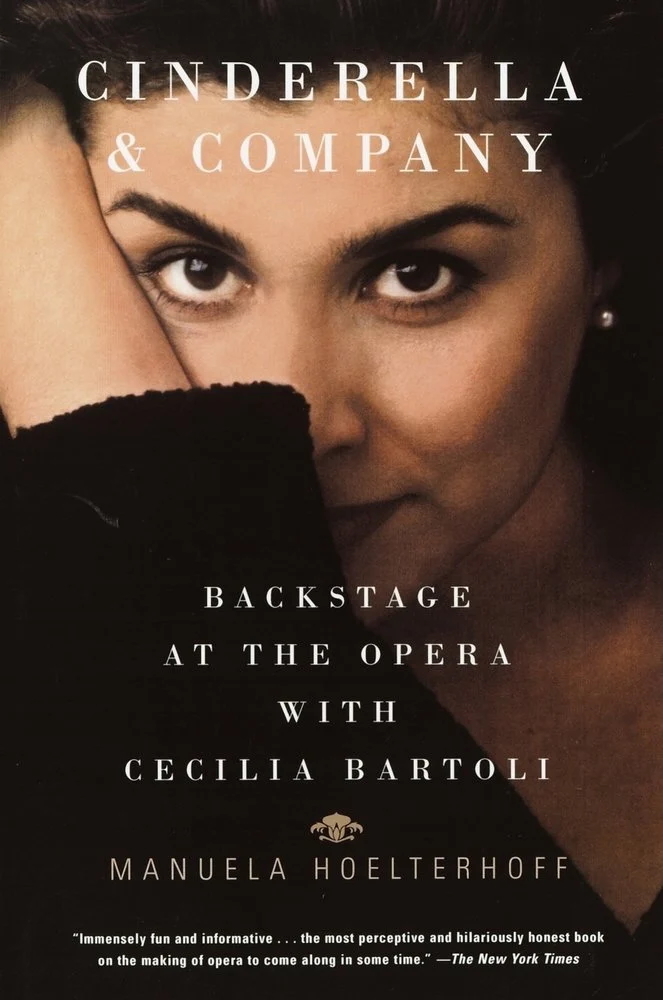
Manuela Hoelterhoff, who won a Pulitzer Prize at the Wall Street Journal in 1983 "for her wide-ranging arts criticism and later wrote a trenchant book about the backstage world of opera," died May 6 at age 77, the New York Times reported. Her primary passion was opera. In her book Cinderella & Company: Backstage at the Opera with Cecilia Bartoli (1998), she wrote about her two years following the superstar Italian mezzo-soprano around the world.

Rediscover

Rediscover: Manuela Hoelterhoff

Manuela Hoelterhoff, who won a Pulitzer Prize at the Wall Street Journal in 1983 "for her wide-ranging arts criticism and later wrote a trenchant book about the backstage world of opera," died May 6 at age 77, the New York Times reported.

Hoelterhoff spent more than two decades with the Journal, serving variously as a critic, arts editor, book editor, and member of the editorial board. She won the criticism Pulitzer for her writing on television, books, opera, art, and architecture. From 2004 to 2014, she was the executive editor of Muse, an arts and culture section she founded at Bloomberg News.

Her primary passion was opera. In her book Cinderella & Company: Backstage at the Opera with Cecilia Bartoli (1998), she wrote about her two years following the superstar Italian mezzo-soprano around the world. In a review, Anthony Tommasini, the classical music critic at the Times, praised it as "the most perceptive and hilariously honest book on the making and marketing of opera to come along in some time."

She earned a master's degree in art history from New York University's Institute of Fine Arts 1975, and decided to approach the Journal with an article about a performance of Strauss's opera Der Rosenkavalier, the Times noted, adding that "it was Sunday and the offices were empty, so she gave the envelope to a guard."

"I was smart enough to know that all the other papers had a regular writing staff to write their reviews, but naïve enough to believe that this approach at the Journal might work," Hoelterhoff said in a 1985 interview with the reference guide Contemporary Authors.

Hoelterhoff wrote the libretto for Modern Painters, an opera about John Ruskin, the 19th-century English critic of art, architecture, and society. She was also a founding editor of Condé Nast Traveler in 1987 and of SmartMoney magazine in 1992.

In a tribute, the Journal shared excerpts from some of her columns, noting that when she won the Pulitzer for criticism--the Journal's first in that category--the editors nominating her said she combined "a keen critical eye with distinctive, lively writing," adding, "She seldom leaves the reader in any doubt where she stands."

A famous example cited by the Journal is from Hoelterhoff's 1986 column "on the Solomon R. Guggenheim's proposal to expand its iconic Frank Lloyd Wright building by erecting a rectangular tower behind the smaller of the building's two rotundas. 'And that means the smaller rotunda, which now enjoys a measure of light and freedom, will have a slab behind it,' she wrote. 'As astonished observers have not ceased pointing out, the combination of round receptacle jutting into an upright wall unmistakably resembles a huge toilet.' Her review became the talk of the town."

Powered by: Xtenit