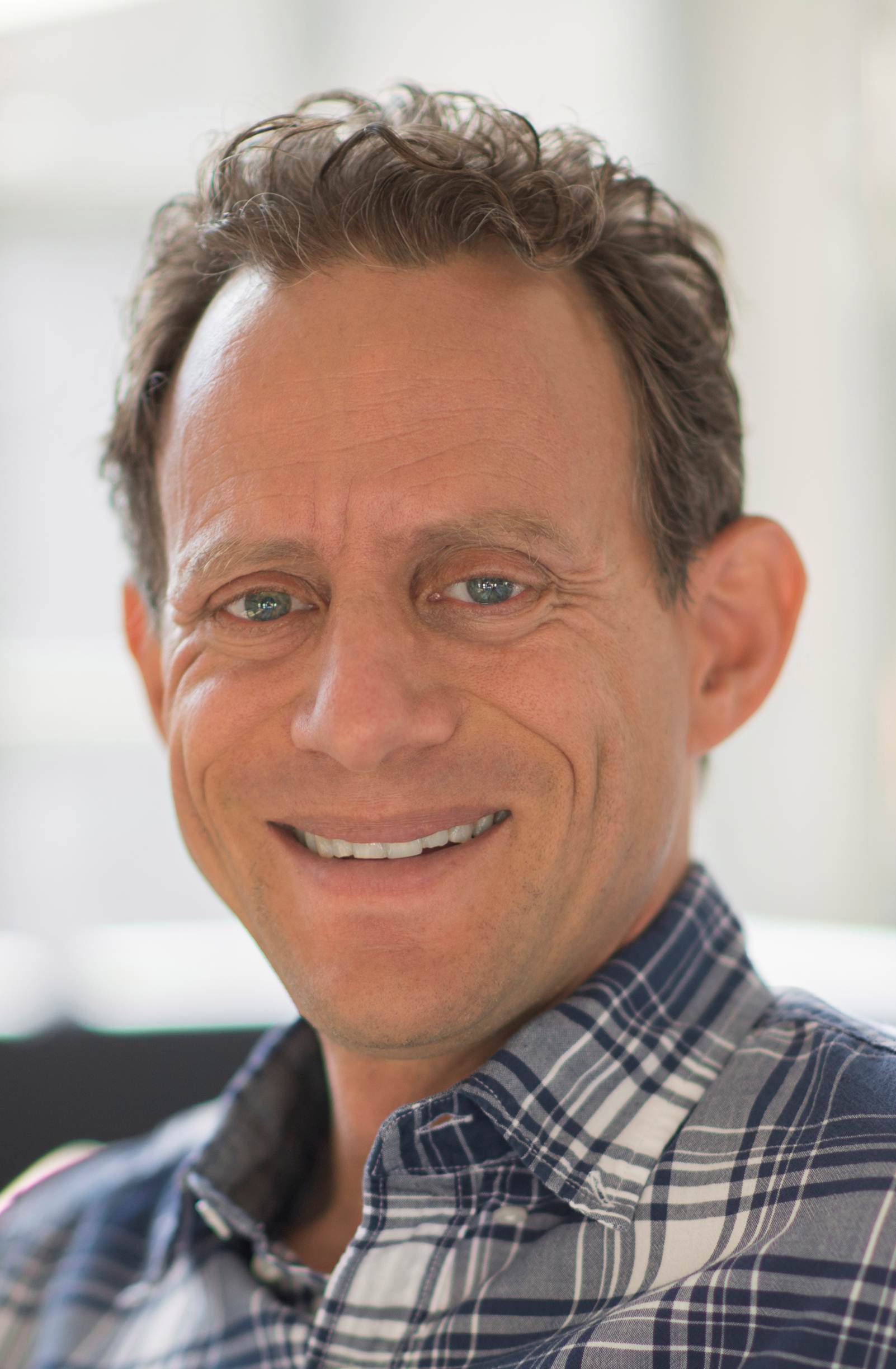
 Stuart Gibbs, author of popular middle-grade series Spy School, FunJungle, Moon Base Alpha, Charlie Thorne, and Once Upon a Tim, as well as the new nonfiction series Spy School Secret Files, has six books coming out in 2026. Here, Gibbs talks about his (obvious) love of writing and how his first nonfiction title, Totally True Tales from World War II, was only made possible by a personal invite to CIA headquarters.
The Writer's Life
Stuart Gibbs Got a Call from the CIA. Really.
|
| Stuart Gibbs |
Stuart Gibbs is the author of five middle-grade series--Spy School, FunJungle, Moon Base Alpha, Charlie Thorne, and Once Upon a Tim--as well as the new nonfiction series Spy School Secret Files. He has written screenplays, worked on animated films, developed TV shows, been a newspaper columnist, and researched capybaras. Here, Gibbs chats with Shelf Awareness about having six books coming out in one year, turning his novels into graphic novels, and receiving a surprise call from the CIA.
You published your first book, Belly Up, in 2010. And now, in 2026, with the recent publication of the graphic novel Spy School: Secret Service, you have 45 books published.
I have wanted to be an author my whole life, because I have always wanted to share the stories that I came up with. I spent plenty of time writing books that didn't get published. And I also spent a lot of time as a screenwriter, where you could make a good living--but still not get anything made. So now that I'm finally able to write things and get them published, I suppose I might be overcompensating.
You have five other books coming out in 2026: Ape Escape (March 24), the Spaced Out graphic novel (August 18), a graphic novel from DC (Bruce Wayne, Not Super: The Bat-Catastrophe, September 1), another Spy School: Spy School Goes East (October 6), and Totally True Tales from World War II (November 10). What does a day in the life of Stuart Gibbs look like?
The days can vary dramatically. For me, part of the key to writing a lot is to not write every day. I like to give myself time away from the computer, so I don't work on weekends or on vacation. That said, I'm mainly thinking about what I could write during those times. It's rare for me to visit a place and not get inspired in some way or another. A random fact might spark an idea, or I might come up with a way to fix a book that I'm currently working on, or I might end up plotting an action sequence.
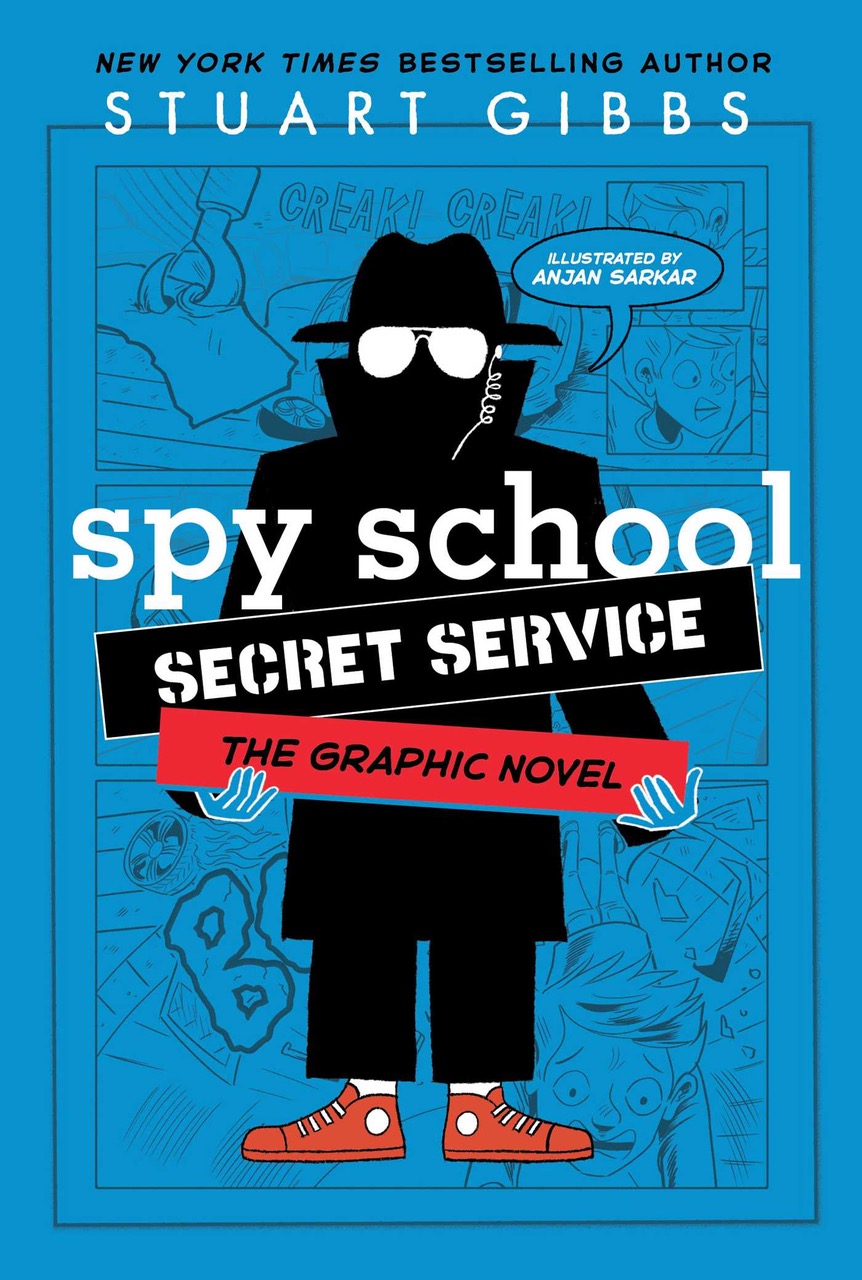 Do you write the graphic novels? What has your experience been like moving your novels to this format?
I do write them. I realized, right off the bat, that a graphic novel is more like a movie than a book. So, I just write the screenplay version of my books. I try to keep as much of the original dialogue from the books as possible (although I have to pare it down) and I try to show things happening instead of telling about them happening. I leave it up to the artists to figure out how to do the layouts, which is a little unconventional for a graphic novel, but I have always figured they should do that, rather than me. (No one has ever complained.) The best part of the process is seeing what my talented artists have done with the scripts.
How much fun is it to come up with outrageous spy stories for an all-around-pretty-average kid?
I love it. I had the idea for Spy School when I was a kid myself, and to me, the core of the humor has always been that if you dropped anyone into the midst of a James Bond movie, no matter how smart and competent they were, they would still screw everything up. So, I'm always looking for outrageous situations to place Ben and his friends in.
Do you think Benjamin Ripley is growing and changing the more Spy School books you write?
He is definitely changing. His skills are improving (albeit slowly). And so is Erica Hale and all the rest of the gang. To me, the key characters development in the series is that Erica is making Ben a better spy--and Ben is making Erica a better person.
And Totally True Tales is a new format for Spy School, right? What made you want to do a nonfiction book in this series?
The idea was originally brought to me by my editor, Krista Vitola, and my immediate reaction was, "It'd be great to do that, but where am I going to find all those stories?" And then, shortly afterward, I got a call from the CIA.
Really.
I was invited to come visit their headquarters. I had always known there was a museum there--the hardest museum in the world to visit. One of the curators gave me a tour and it's wonderful. The stories that were being told in the museum were fascinating. So, I asked the curator if there was any way I could share these stories in a book for young readers and she was thrilled. After that, everything worked amazingly well. The CIA shared the stories with me, and I figured out how to tell them.
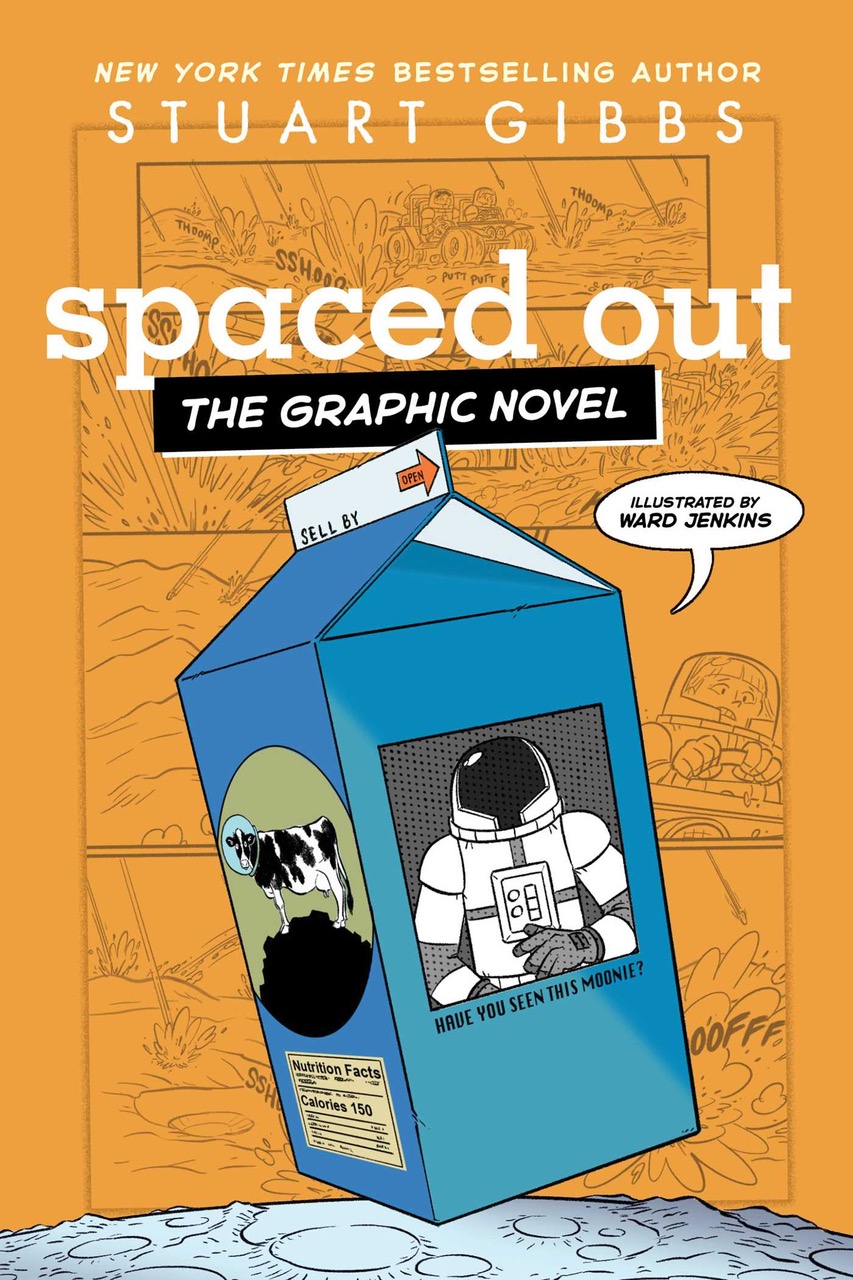 The Spaced Out graphic novel is the second in the Moon Base Alpha series and that series is complete at three novels. What makes you excited about the graphic novels of that series making their way into the world?
I hated having to end the MBA series. When I first started it, I hoped it would run for a long time, but I discovered while I was working on book three that the world was much more limited than I had originally realized. For the most part, the moon doesn't change. If I go five miles from my home in any direction, the landscape changes dramatically. But that's not the case on the moon: it's all moon dust and craters and you're in a big, bulky space suit. And the moon base I had created was small and cramped and there were only a few rooms in it, and I had already set scenes in all of them. So, I couldn't figure out how I would keep everything feeling fresh after book three. The graphic novels are a wonderful way to re-invigorate the series. Ward Jenkins has done an incredible job bringing the base and everyone in it to life.
Have you always wanted to create expansive book series like this?
Even though I always wanted to write, I never imagined that I would be where I am today. I never expected that this idea that I had when I was a kid would one day have 13 books--with more to come--and graphic novels and puzzle books and kids coming to my events dressed as the characters. I am not sure how long this series will run, but for the time being, I have lots more ideas for it.
Is there anything you'd like to say to Shelf Awareness readers?
I know it's unusual for an author to publish six titles in one year--and to be the person who wrote every word of them. The fact that all six are coming out in 2026 has a bit to do with chance: I wrote some of these graphic novels quite some time ago. But I really do all the writing myself. I find great joy in writing (most days, at least) and have so many stories that I want to tell. I highly doubt I will have this many books come out in one year again. In fact, I'd like to slow down a bit--but I still intend to keep on writing books and graphic novels for a long time to come. --Siân Gaetano, editor children's and YA, Shelf Awareness









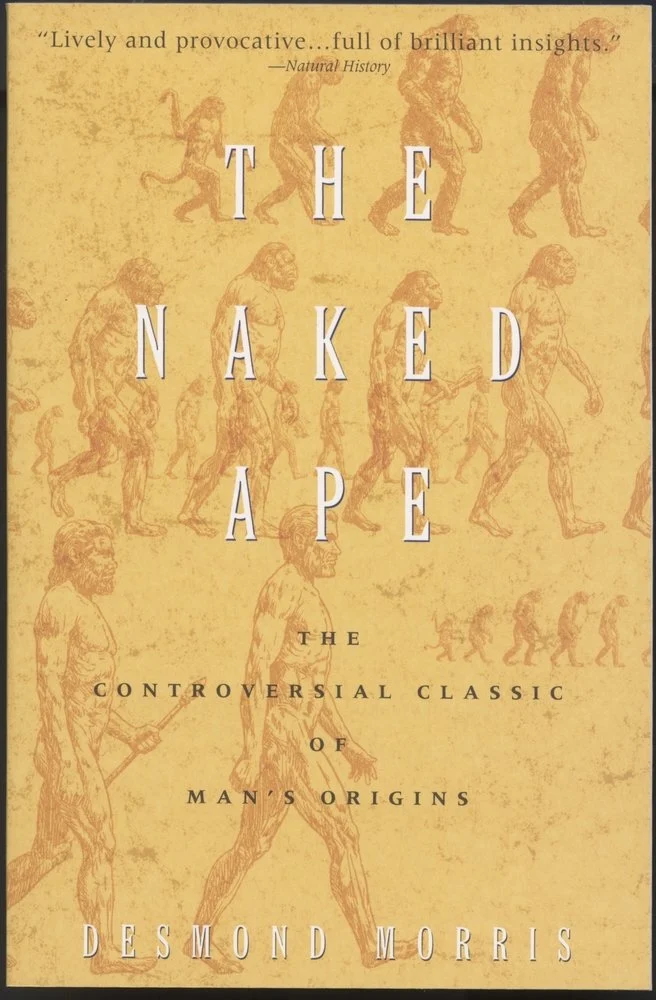 Desmond Morris, an English zoologist "who used observation, logic and insight to contend in his immensely popular 1967 book, The Naked Ape, that humanity, stripped of civilized veneer, is just another species of ape," died April 19 at age 98. In addition to writing more than four dozen books and 50 scientific papers, Morris presented 700 TV episodes, using "observational powers that he had honed as a zookeeper to study the ways of humans as well as those of animals."