

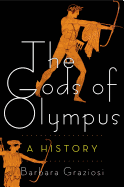
We know that Zeus has a large sexual appetite, that Athena is warlike, that Hermes is a messenger with a sense of humor. But how did these myths and the personalities they depict survive to the present? Barbara Graziosi, a professor, has written several academic works on the classics. In The Gods of Olympus, she directs her expertise to a more general audience, following the 12 gods and goddesses of the classical Greek pantheon from their first appearances in antiquity through our continuing modern awareness of them.
The history of the immortal Olympians begins in Greece, where Graziosi explores their role in myth, ritual and cultural events. Alexander the Great expanded his empire toward the ends of the earth, and under his rule, much of the "known world" was Hellenized. During the Roman Empire, the gods' strong personalities were merged with the traditional Roman gods', surviving in slightly different forms that best served those in power. Graziosi demonstrates the continuation of this model: Islam and Christianity also preserved the Olympians, albeit transformed them into demons and allegories. Their original worshippers are long gone, but the Olympic gods survive, flexible and changeable but continuing to inspire art and literature.
Graziosi's knowledge is obvious, and easy to trust, accompanied by thorough notes and a helpful appendix. Her writing is accessible and entertaining, her passion for her subject obvious; The Gods of Olympus will equally thrill longtime lovers of the classics, and appeal to readers seeking a friendly, engaging introduction. --Julia Jenkins, librarian and blogger at pagesofjulia