 Wednesday, August 24, marked the centennial of historian Howard Zinn's birth. Zinn's (1922-2010) A People's History of the United States was a landmark of literal popular history--a ground-up view of the American experience focusing on the masses of downtrodden, oppressed and often ignored groups rather than the powerful elite highlighted in traditional histories. From the first chapter, which chronicles the barbarity inflicted by Columbus on the Arawaks, Zinn paints a grim picture of events usually sanitized in American classrooms. His heroes are labor leaders, economic insurgents, enslaved rebels and anti-war activists, not the wealthy or jingoistic who propelled history in their own interests at the expense of others. Since its first publication in 1980, A People's History of the United States, a runner-up for the National Book Award, has sold nearly four million copies and been revised and updated several times. It was last published in 2015 by Harper Perennial Modern Classics with a new introduction by Anthony Arnove.
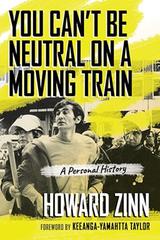
To help celebrate his centennial, several publishers are releasing free material or updated versions of Zinn's work. Earlier this month, The New Press published a paperback version of Truth Has a Power of Its Own: Conversations about a People's History ($16.99), co-authored with Ray Suarez, which contains conversations about a broad range of American history topics. Beacon Press, Haymarket Books, The New Press and Seven Stories Press collaborated on a free e-book, A Life of Activism: Howard Zinn in His Own Words--Selected Writings for the Centennial, which collects excerpts from six of Zinn's books. Later this year, Seven Stories Press will publish a new edition of A Young People's History of the United States with two new chapters on Latino history by Ed Morales. Zinn's autobiography, You Can't Be Neutral on a Moving Train: A Personal History, is available from Beacon Press ($17). --Tobias Mutter

