

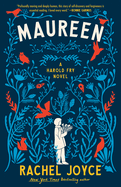
Maureen, Rachel Joyce's slim, lyrical seventh book and her third Harold Fry novel, delves deeply into a character who is at once familiar and enigmatic: Maureen Fry, the prickly wife of walker-turned-public-hero Harold. Joyce's debut, The Unlikely Pilgrimage of Harold Fry, followed Harold's impromptu journey to see a former colleague (whose story Joyce later told in The Love Song of Miss Queenie Hennessy). Now, 10 years after Harold's walk, Maureen irons her "best blue blouse," leaves Harold with a freezer full of home-cooked meals and sets off on a pilgrimage of her own.
In brief, introspective chapters, Joyce (The Music Shop) follows Maureen as she drives north, making the journey to the memorial sculpture garden built by Queenie and now maintained by volunteers. She is searching for some sign of David, her son, whose death by suicide 30 years before has left Maureen unable, ever since, to move forward. Joyce explores the contours of long-term grief as well as the effects of the pandemic, the quiet loneliness (and sometimes joy) of encountering strangers and the difficulty, sometimes, of opening oneself up to new experiences. Maureen is a complicated woman, frequently held back by her painful memories and longstanding patterns, but surprised--eventually--by her own capacity for connection. Along her journey, she notices details such as birds, dune grasses and light, but she also (again, to her own surprise) finds herself relying on others for help and perspective.
Bittersweet and quietly stunning, Maureen is a poignant end to Joyce's trilogy about the Frys and a meditation on opening up and moving forward. --Katie Noah Gibson, blogger at Cakes, Tea and Dreams