

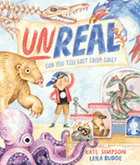
Author Kate Simpson (The Paper Museum) and illustrator Leila Rudge (Gary) separate animal fact from fiction in their nonfiction book Unreal, a quirky and handy resource for science-minded children and educators alike.
Oh no: some of the displays from the "Myths and Legends" exhibit were mistakenly brought to the "Natural History" wing inside a fictional museum! Unreal, which begins with a list of questions readers can ask when deciphering truth from lies, presents strange creatures alongside similar mythological counterparts and asks the reader to "sort what's real from what's not." Science, Simpson explains, "isn't about 'proof.' It's about evidence." While there may be no evidence of the roc, "a legendary bird of prey from Middle Eastern folklore," there is plenty of evidence for equally fascinating creatures, like the extinct moa or the burrowing turtle frog.
Simpson trusts child readers to handle nuance and addresses cryptids (Loch Ness monster) and popular hoaxes alongside their origin stories, explaining that sources traditionally considered reliable can fail and acknowledging that scientists have proposed theories later discovered to be incorrect. By the end of the book, all mythological creatures have been flagged as "unreal" and removed from the exhibit by the relieved werewolf caretaker. Rudge's use of colored pencils and watercolor paint creates a textured appearance that allows "nature journal" style double-page spreads to look scrapbooked and gives heft and density to creatures both real and mythical.
Unreal should be a wonderful addition to the shelves of readers who enjoy charmingly illustrated scientific graphic novels like I'm a Dumbo Octopus and deep dives into the niches of history like The Atlas Obscura Explorer's Guide to Inventing the World. --Nicole Brinkley, bookseller and writer