

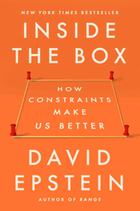
A science writer with a gift for animated storytelling, David Epstein invites readers to ponder the pitfalls of "excessive freedom" in Inside the Box: How Constraints Make Us Better. Epstein shares anecdotes from across the spheres of business, technology, art, and design to demonstrate how "helpful boundaries" can spur innovation, yield desirable progress, and shield people from the information overload of 21st-century life.
Inside the Box opens with a striking example of the risks posed to productivity by too much freedom. The technology juggernaut General Magic, founded in 1990, was a company poised to "change the world," starting with a device that was like a smartphone before smartphones existed. It employed the most talented engineers and had plenty of money. With no time, scope, or cost constraints on what its engineers could build, however, General Magic's grand ideas failed spectacularly.
Championing clear boundaries, Epstein (Range; The Sports Gene) describes his experience pitching a story for the radio program This American Life. He was instructed to rework his pitch and was grateful for the producer's "metaphorical bowling bumpers" that guided his successful revisions. "Creative constraints," he explains, can lead to remarkable results. Dr. Seuss wrote Green Eggs and Ham after the cofounder of Random House bet the author he couldn't write a children's book using just 50 words. Self-imposed constraints that guide decision-making choices can preserve mental energy; haiku offer a simple example of how restriction can inspire creativity. Conversely, unlimited choices leave people less content with their final decisions. An enlightening guide, Inside the Box makes a persuasive case for "useful constraints" that fuel creativity and contentment. --Shahina Piyarali