

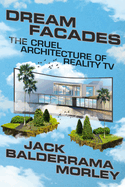
 In Dream Facades: The Cruel Architecture of Reality TV, Jack Balderrama Morley presents a fascinating take on the houses that have been the backdrops of popular reality television shows, and how these have shaped not only programming for the genre but also reflect wider social, historical, and cultural trends in the United States.
Morley, managing editor of design magazine Dwell, examines the homes featured on several shows, including Selling Sunset, The Kardashians, and The Real World, and considers how these spaces were moved through by both their occupants and the audiences that enter them vicariously. He offers the concept of the "physical-digital hybrid home" to describe residences that are "more than stage sets for drama; they're real places swollen with the fantasies projected onto them." As our culture has become oversaturated by the projection of these fantasy spaces, Morley continues, "our homes have changed, too, with these dream facades sutured onto them."
As he considers shows that put viewers in the midst of the private moments and spaces of the rich and famous, such as the Kardashians or the Osbournes, Morley's exploration goes deeper into their infrastructure and impact. Dream Facades discusses aspects of shows--like the conflicts that are driven by houses and home ownership in The Real Housewives of Atlanta--and then carefully describes the contexts that surround the construction of these houses, where they are located geographically, and the path that led to both their aesthetics and how they have entered the culture. He shows how the home-improvement phenomenon of Trading Spaces begat the home-flipping shows that obscure the redlining and other policies that make property available to gentrifiers and private equity by pricing marginalized communities out of their own neighborhoods.
Morley investigates the relationship of the U.S. to the land and to the colonization and dispossession of Indigenous peoples, not to name an original sin, but to call for a different way of imagining how we might live in the future. Houses are more than structures; they are a reflection of ideologies and aspirations. Dream Facades makes those connections explicit while also proffering ideas for future concepts rooted not in aesthetic choices, but in choices that foster communities and empower people to live supported and fulfilled lives. In other words: "If shellacked modernity can become boring enough, it can lead its audience to ask for something different. It can let us realize that we should demand more from our screens, ourselves." --Michelle Anya Anjirbag, freelance reviewer
Shelf Talker: Jack Balderrama Morley examines the phenomenon of reality television through the houses featured in popular series, and considers what these homes say about the world we might all yet live in.