 |
| photo: Jay H. Clemmons Family Farm |
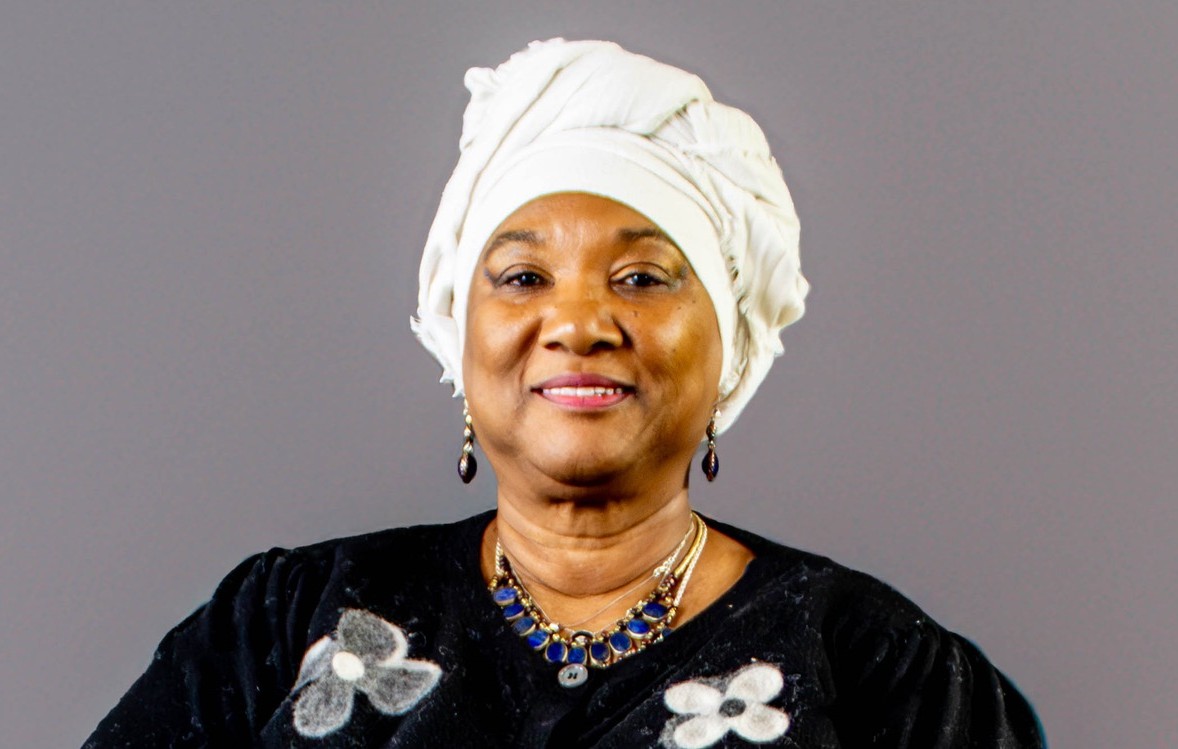
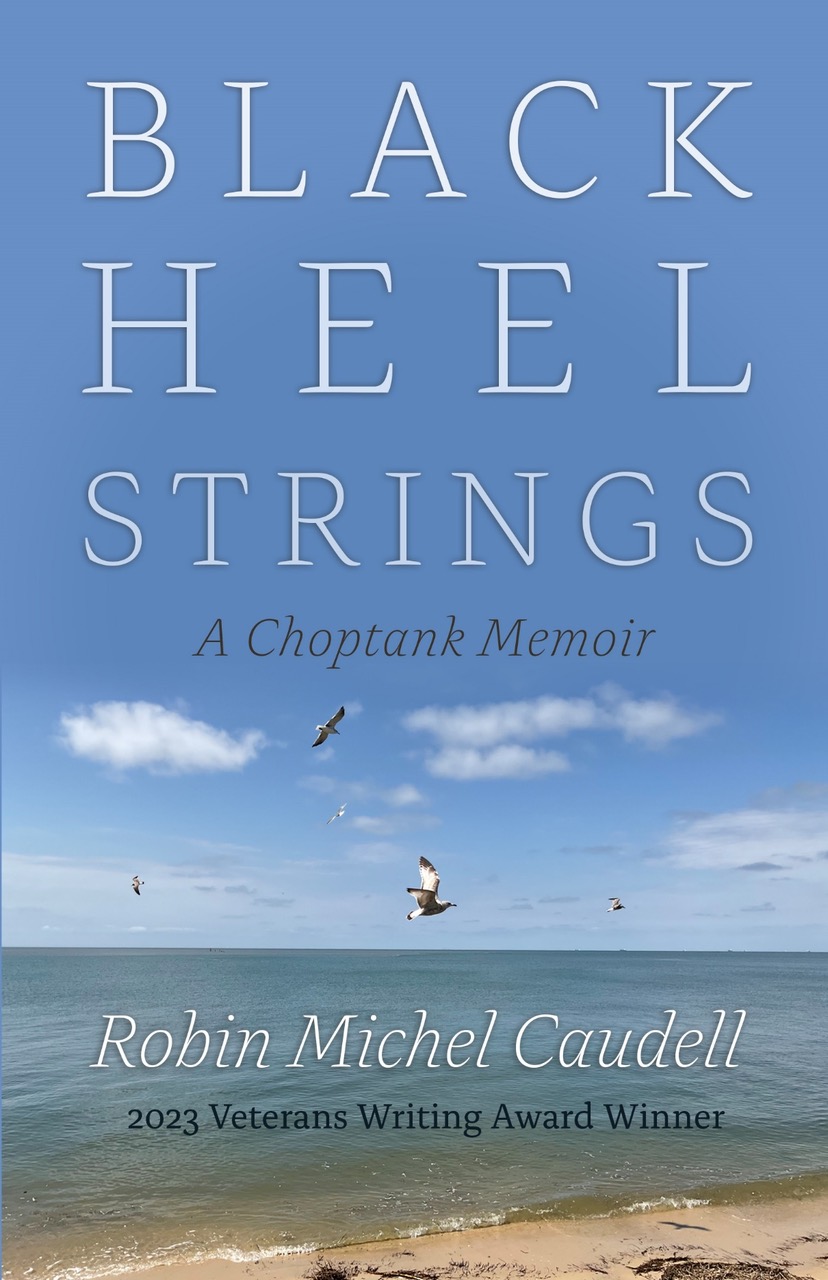
Born and raised on Maryland's Eastern Shore, Robin Michel Caudell is an award-winning staff writer at the Press-Republican and a U.S. Air Force veteran. Her essay "The Big Three: Black Bears, Wolves, and Pumas in the Adirondacks" appears in Blueline magazine this month. She is the director/executive producer/screenwriter for Witness Tree at Union Road, a speculative Civil War documentary in preproduction. Caudell is the 2023 Veterans Writing Award winner for Black Heel Strings: A Choptank Memoir (Syracuse University Press, May 18, 2026), a lyrical memoir that meditates on memory and identity as she traces her childhood in a Black family navigating poverty and racism on the Delmarva Peninsula.
Handsell readers your book in 25 words or less:
Memories when I was seen and not heard were written down when I was grown and published after a quarter century of rejection. Never stop!
On your nightstand now:
Combee: Harriet Tubman, the Combahee River Raid, and Black Freedom During the Civil War by Edda L. Fields-Black. I hail from Harriet Ross Tubman country, so I'm reading about family while getting a master class in how to do research by Dr. Fields-Black.
Indians of the United States by Clark Wissler, revised by Lucy Wales Kluckhohn. It's research for a presentation, which will become a chapter in my next book on John Brown's legacy in the Adirondacks.
Wild Daisies from the Side of the Road: A Collective Tribute to Maurice Kenny, edited by Derek C. Maus and Donald J. McNutt. The late poet was a beloved friend who said to me about writing: "Get on with it. You're not going to live forever." Maurice always asked me to submit something to Blueline magazine, and I finally did last winter.
Cold Harbor: Grant and Lee, May 26-June 3, 1864 by Gordon C. Rhea. Research for my documentary, Witness Tree at Union Road.
The Other Slavery: The Uncovered Story of Indian Enslavement in America by Andrés Reséndez. Research for an upcoming presentation about captivity and slavery among the Haudenosaunee.
Kin by Tayari Jones. Sheer pleasure of reading.
Favorite book when you were a child:
Black Beauty by Anna Sewell. As a child, I identified with the horse, and I checked out the book at least five times until the librarian suggested I read something else. I segued to Little Women by Louisa May Alcott, Adventures of Huckleberry Finn by Mark Twain, Treasure Island by Robert Louis Stevenson, and The Red Badge of Courage by Stephen Crane.
Your top five authors:
James Baldwin, Octavia Butler, Ernest Hemingway, Toni Morrison, and Nora Roberts.
Book you've faked reading:
Never. I might not have read everything, but I did read some things.
 Book you're an evangelist for:
The Shadow of the Wind by Carlos Ruiz Zafón, translated by Lucia Graves. When I first read this book, I cried because of the beauty of the language and the power of story, mystery. I couldn't put it down and immediately read it again once I finished because it transported me to realms that few books do. I bought a copy of it for my daughter and told her she must read it. I think she lost the copy I gave her and bought another one.
Book you've bought for the cover:
The Complete Works of Shakespeare illustrated by Rockwell Kent. He is an amazing artist who lived in the Adirondacks. The Rockwell Kent Collection and Gallery is housed at the State University of New York Plattsburgh. When I saw this book in the Corner Stone Bookshop on Margaret Street, it was a fantastic way to get everything Shakespeare with the added bonus of Kent's magnificent illustrations.
Book you hid from your parents:
None, but we found what they were hiding from us--romance pulps, bodice rippers.
Books that changed your life:
I Know Why the Caged Bird Sings by Maya Angelou. I was 10 when I read it, and Dr. Angelou showed me that my life mattered like hers and could be put into words.
The diaries of Anaïs Nin. I purchased an unexpurgated volume at the Subic Bay Naval Exchange when I was a navy officer's wife living in the Philippines. I was out of college two years, a new mother, and a writer without another writer to bounce things off and share. Nin became my writerly companion, and in reading her volumes I entered her artistic circle and found a creative community.
Gift from the Sea by Anne Morrow Lindbergh. I was a young wife becoming a divorcée with a toddler when I first read this book, which resonated with me as I began to chart a different life than the abandoned happily-ever-after. I loved the beautiful sketches of the shells--channeled whelk, moon shell, double sunrise, oyster bed, and argonauta--that are metaphors for life's different stages.
Favorite line from a book:
First line: "Call me Ishmael." From Moby-Dick; or, The Whale by Herman Melville. The narrator's command transforms the reader to confidante. I am the great-great granddaughter of a 19th-century mariner, a Black Jack, so I'm down with voyages.
Final line: "For now he knew what Shalimar knew: If you surrendered to the air, you could ride it." --from Song of Solomon by Toni Morrison
Five books you'll never part with:
Narrative of the Life of Frederick Douglass, an American Slave. Cousin Fred was totally badass and told it like it was. An Eastern Shore wayshower, he told me where to walk in his footsteps and our ancestors' in Talbot County.
These Low Grounds by Waters Edward Turpin. An Eastern Shore wayshower, the Oxford, Md., native chronicles the struggle, tension, and aspirations of four generations from slavery to the 20th century. His lean prose evokes the Eastern Shore, its people, and our culture. His debut novel was published in 1937, the same year as fellow Harlem Renaissance member Zora Neale Hurston's Their Eyes Were Watching God, which broke me when I first read it.
This Child's Gonna Live by Sarah E. Wright. Another Eastern Shore wayshower, Wright, a native of Wetipquin, Md., published her "small masterpiece" in 1969, when I was 10. I hear the shore in her characters' speech, and I smell it through her apt description of the land and its waters and creatures.
Pride and Prejudice by Jane Austen. "All Jane Austen, all the time."
The Old Man and the Sea by Ernest Hemingway. At Maryland, my creative writing professor J.R. Salamanca read it every semester. I took his class the allotted three times. He said, "Your writing is the closest I ever read to Hemingway, but without the blood."
Book you most want to read again for the first time:
Chesapeake by James A. Michener. When I first read it after it was published in 1978, it confirmed for me that my homeplace was a worthy subject and so were my people. It's been so long that I want to see how it stands up, and how my lens has shifted in nearly 50 years.





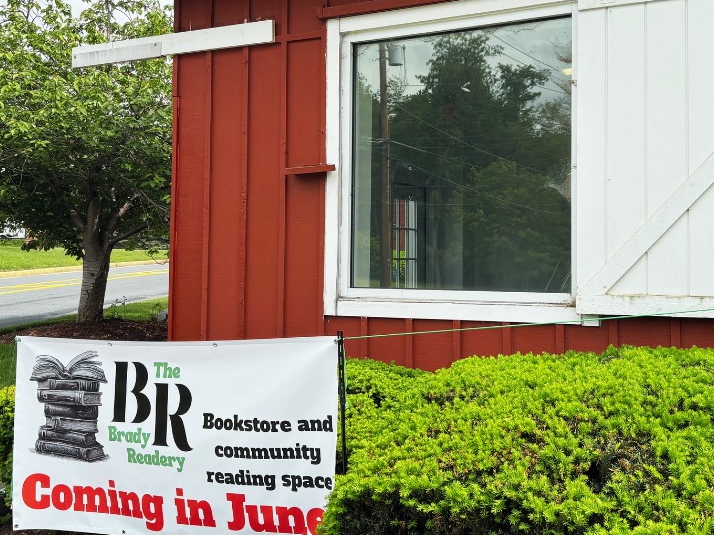


 Wiley has
  Finalists have been unveiled for the
  The International Publishers Association released a shortlist for
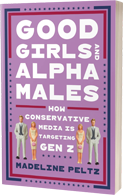


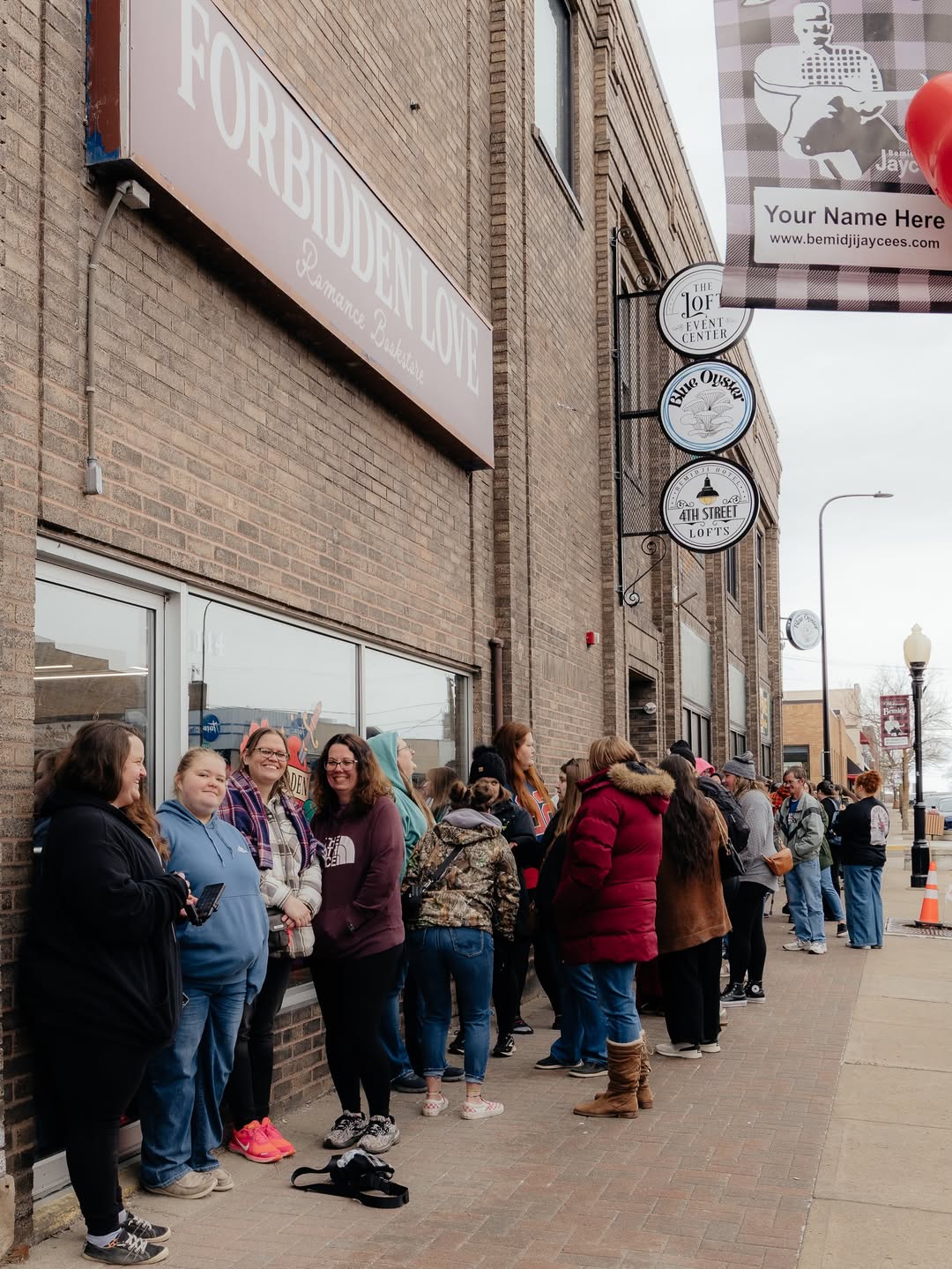
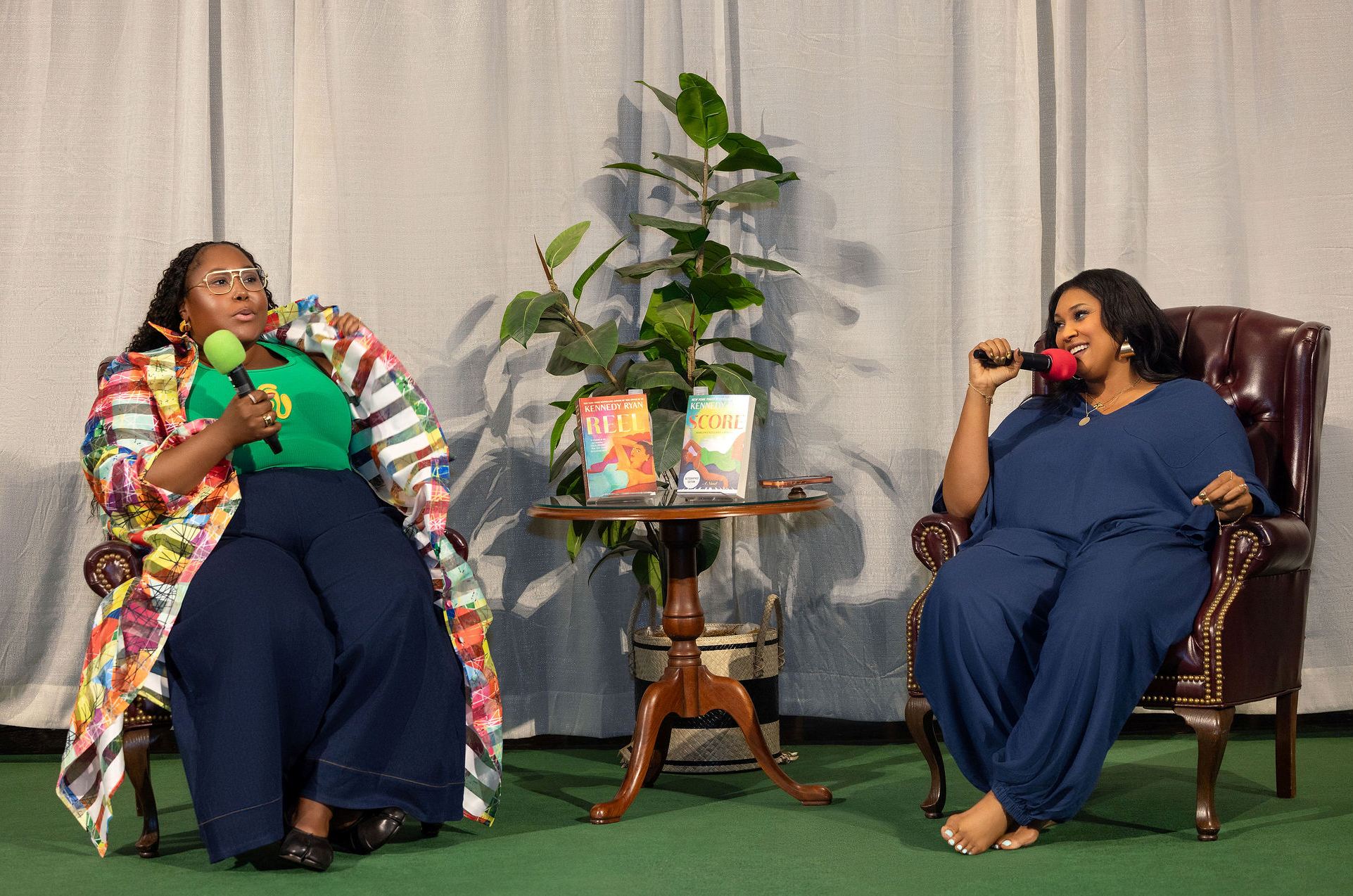 Kennedy Ryan (r.) spoke with Jahquel J. at a sold-out event hosted by
 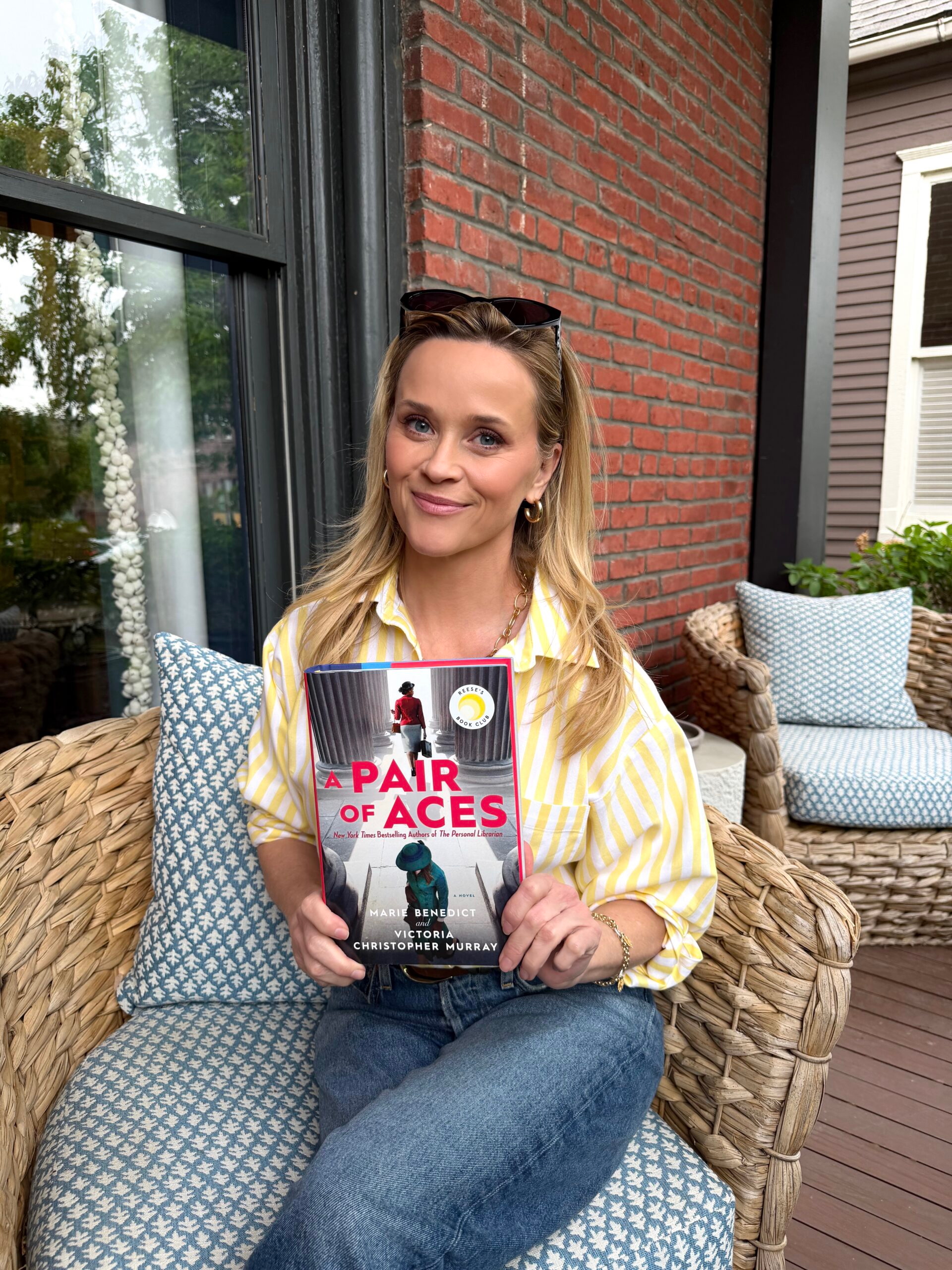 A Pair of Aces by Marie Benedict and Victoria Christopher Murray (Berkley) is the June pick for
  "
" "It's the
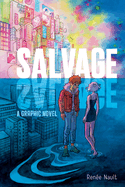
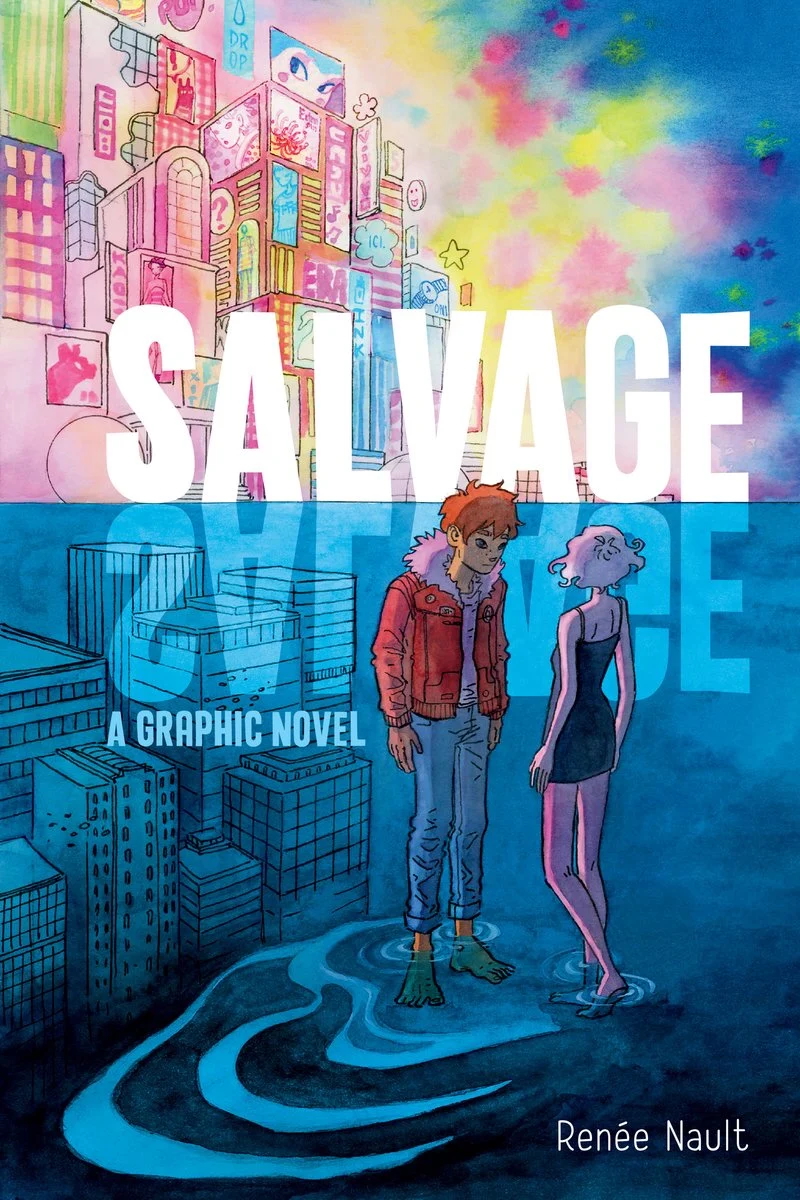 The visually euphoric YA graphic novel Salvage by debut author/artist Renée Nault (The Handmaid's Tale: The Graphic Novel) features immersive world-building, memorable characterization, and sadly relevant social and environmental commentary.