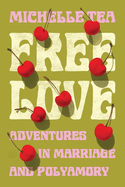
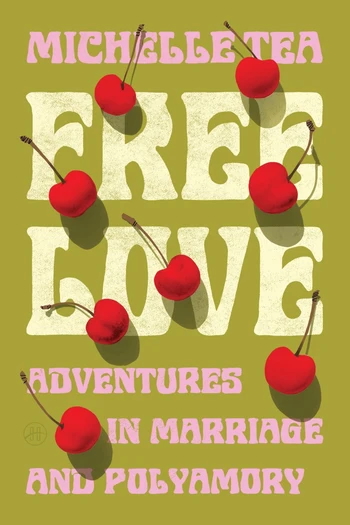
 By the time she sat down to pen Free Love: Adventures in Marriage and Polyamory, Michelle Tea had indeed lived an adventurous life, "from straight to bi to lesbian to dyke to bi again and now and forevermore the one-stop shop of queer," among other journeys in identity and lifestyle, sex, drugs, and rock-and-roll. In this work's opening present day, she is a wife ("a relationship that took root in the landscape of my divorce"), a mother, and--not for the first time--grappling with the concept of monogamy. She is easing into the idea of "nonmonogamy as a real orientation within [her]," and in these pages, explores its various forms, in history, in her personal life and preferences, and through interviews with friends and acquaintances as well as cultural figures. Always open and nonjudgmental about a range of ways of nonmonogamous life, Free Love is a fascinating and candid analysis.
Tea (Against Memoir; Valencia) merges her own past with external sources, in the context of interviews and conversations, so that her voice remains present throughout. For example, she talks with scholar-historian-archivist Jeanne Vaccaro, writer/musician Brontez Purnell, and an artist she calls simply Z because "I'm charged with protecting her anonymity, so crucial for her exciting, global sex life." Tea describes her own fantasies in the context of the 1989 film Last Exit to Brooklyn, adapted from Hubert Selby Jr.'s 1964 novel. She shares joys and heartbreaks, ecstasies and pains, in anecdotes of relationships and every part of her life. Through storytelling, she introduces less-familiar readers to terms like "metamour" (the partners of one's partner) and "compersion" (the opposite of jealousy; "a feeling of shared happiness or fine-fellow-feeling at my partner's extracurricular dalliances"). With friends, historians, researchers, scholars, and cultural icons, she discusses sex, desire, shame, free love communes, government control of women's bodies, risk aversion, the "relationship escalator," plural marriages, motherhood, aging, and jealousy, always through a lens of queerness. Tea reports that it is an ongoing struggle to both love and deepen bonds with one or several individuals, and to remain open to a wider world: "It's so hard to strike the balance of held, beloved security, and raw, autonomous adventure." The challenges of polyamory are real, she acknowledges, but in refrain, she also argues, it is worth those challenges.
Free Love demystifies, educates, explores the margins, and questions received wisdom. To that end, Tea hopes her reader finds in these pages "inspiration... revelation, permission," and, perhaps most simply, more love. --Julia Kastner, blogger at pagesofjulia
Shelf Talker: Through the context of the author's own adventures in marriage and polyamory, and interviews and research, this thoughtful study explores various means of living "many loves."



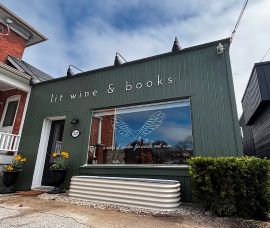 "A welcome surprise has been how naturally books create connection. We regularly see complete strangers begin talking while browsing the shelves, exchanging recommendations, or discovering they've both loved the same novel. It's not uncommon to see someone settle into a chair with a glass of wine and leave having made a new friend. We hoped Lit would feel like a gathering place, but watching that happen organically has been incredibly rewarding.
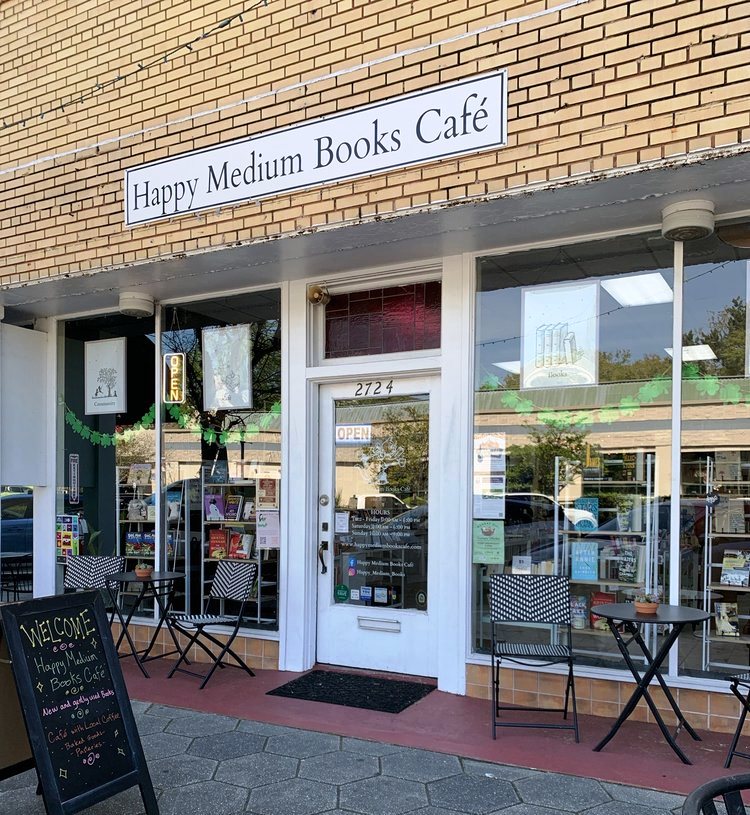

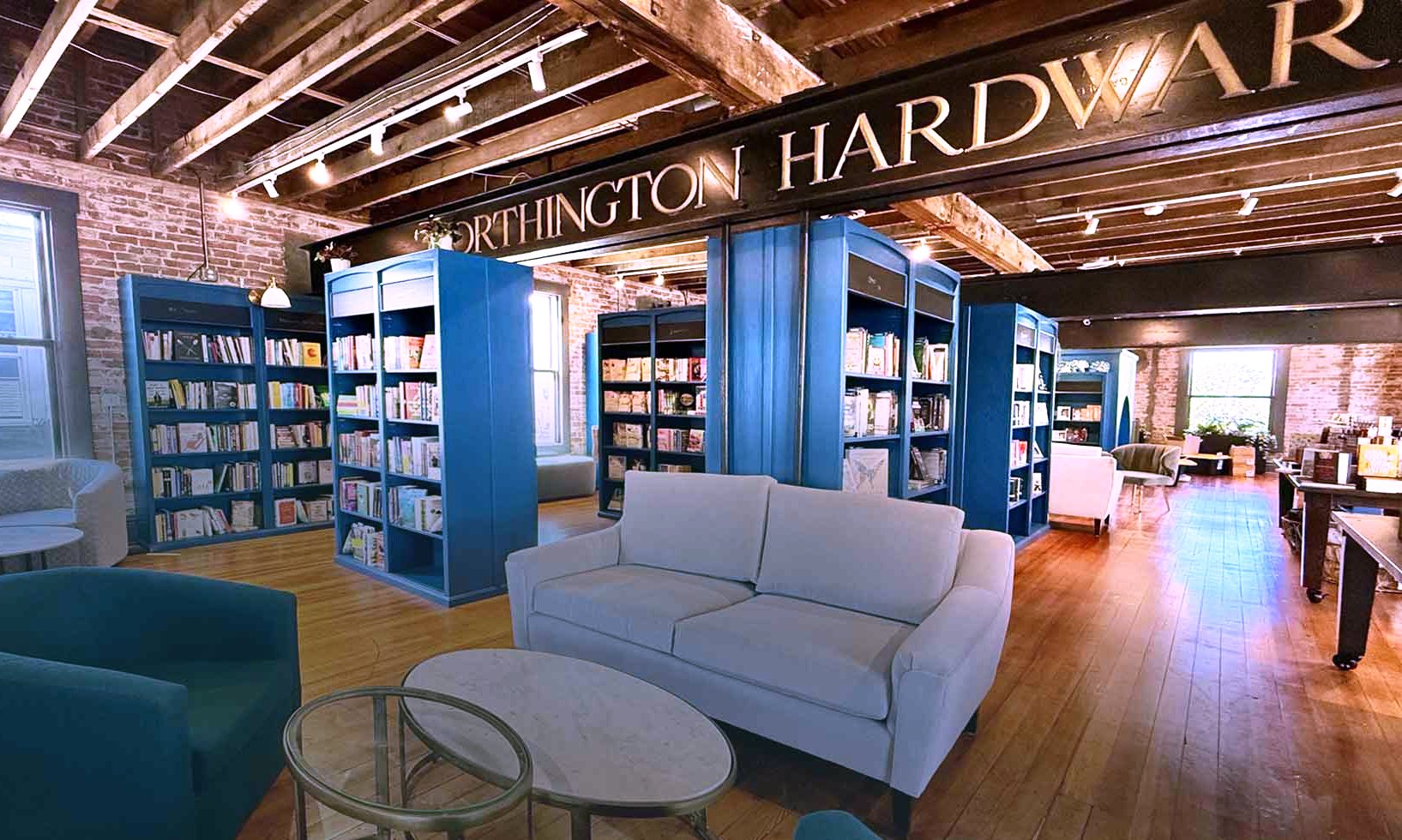 A general-interest, all-ages bookstore, the Whispering Page occupies two floors of a historic building at 661 N. High St. Alongside books, the store sells candles, greeting cards, and gifts, and the cafe serves coffee and a variety of baked goods. The bar serves beer, wines, and prosecco. Event plans include trivia nights, book-bedazzling workshops, author signings, and more. Customers can also book the space for private events.
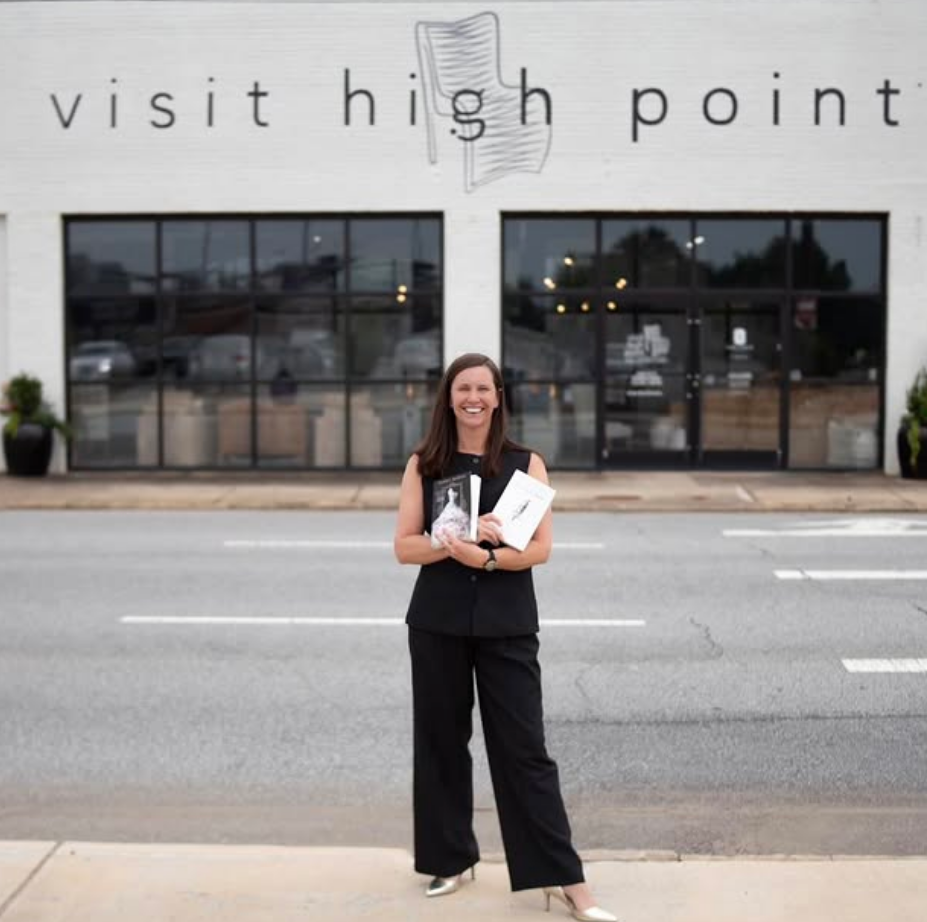


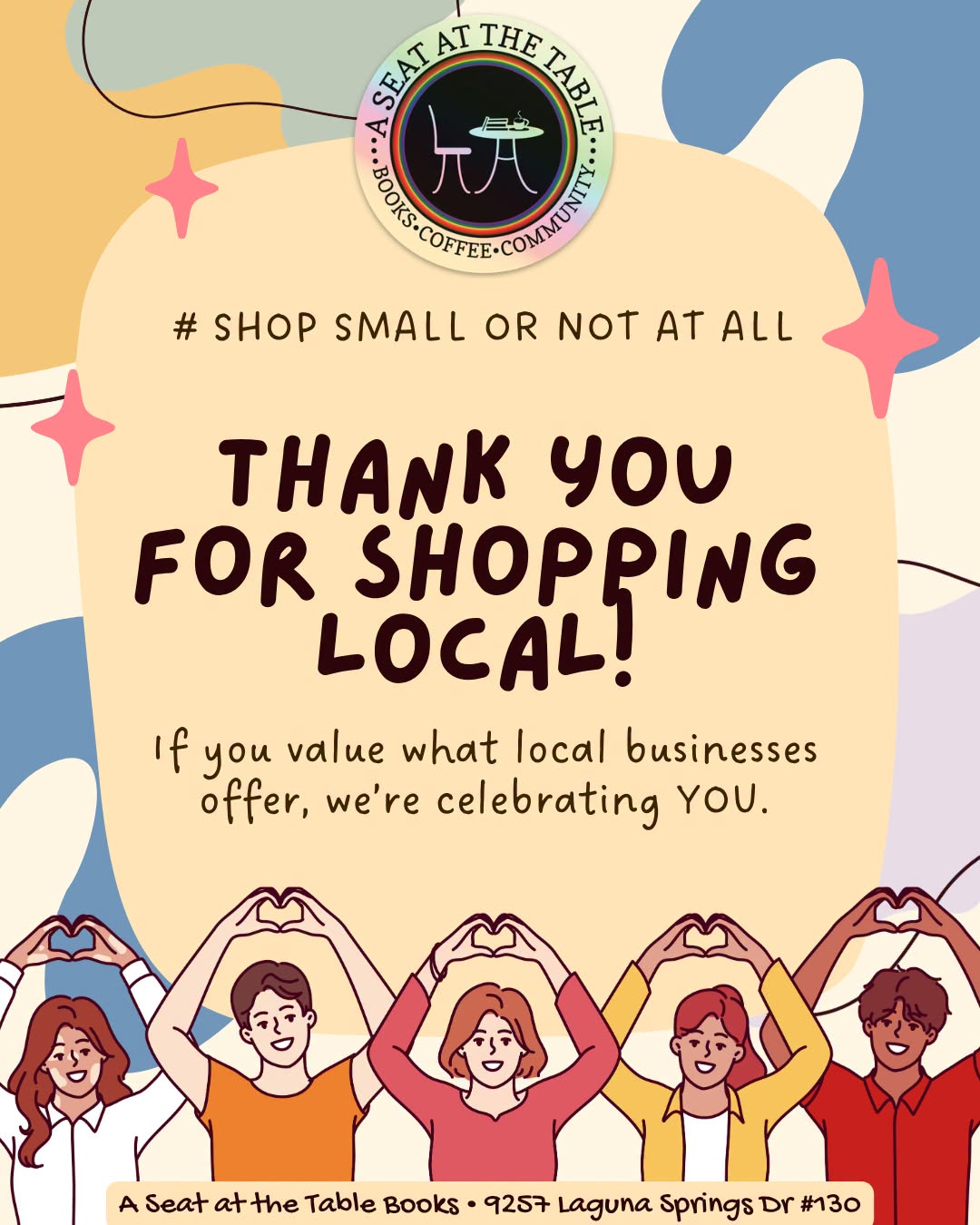 "We're celebrating YOU, the magic of third spaces, and the community connections made possible in family-owned spots like ours with a Week of Gratitude for Shopping Local!" the bookstore posted. "Get a free sticker OR float upgrade all week, and look out for a DAILY scavenger hunt with high-value prizes gifted to us by many of our partners who also know how much indie bookstores matter.
 "
"