Cheikh Hamidou Kane, a Senegalese writer and civil servant "whose 1961 novel, Ambiguous Adventure, reshaped perceptions of the colonial relationship," died October 3, the New York Times reported. He was 98. Kane's death was announced on social media by President Bassirou Diomaye Faye of Senegal, who posted: "He gave generations of Africans the words to grapple with a question that still haunts us: that of opening ourselves to the world's knowledge without losing anything of who we are. His work now belongs to the heritage of our Nation and of all Africa."
Despite publishing just two novels, Kane "achieved the status of Pan-African seer and was lauded as one of the founding fathers of African literature and as a writer who subtly captured the shock of colonization from the perspective of the continent's people," the Times wrote.
In Ambiguous Adventure, Kane modeled the novel's protagonist, Samba Diallo, on himself while focusing on the psychological trauma of colonization, especially on the colonized elites. Samba is torn between two civilizations, and the title refers to his journey into the world of his land's conqueror.
When he wrote the book, Kane was also between two worlds. In the 1950s, he attended French schools in Senegal and then Paris, earning degrees in law and philosophy at the Sorbonne. He was trained in colonial administration at the National School for Overseas France, and returned to Africa in 1958, eventually becoming governor of a region near Dakar by the new government of independent Senegal.
Ambiguous Adventure won the Grand Literary Prize of Black Africa in 1962. An English translation generated little attention in the U.S.. but the book has long been considered seminal in Francophone Africa. It was read "in all the countries of sub-Saharan Africa," Le Monde journalist Éric Fottorino wrote in a 1996 profile of the author, adding that the book had sold 100,000 copies across the world.
In an interview with the author Maryse Condé on Radio France Internationale in 1974, Kane said that the novel contains "a sort of political denunciation of what was, if you will, the colonial adventure.... I thought the central problem was the conflict of cultures, of a traditional culture, the African culture, Black and Muslim, with the culture of the colonizers."
In 2018, he told Le Monde that he felt the colonial era was "marked by the denial of our being, of our identity.... By the white men who colonized us and wanted us to think we were inferior beings.... I admired them but I had in front of me people who had contempt for me. I had to fight to gain access to a world I admired but that wanted nothing to do with me."
Kane's second novel, The Guardians of the Temple (1995), did not achieve the same celebrity as his first. Poet Aimé Césaire had persuaded him not to publish it in 1965 because it "could have been used as a weapon against Senegal," Kane told Le Monde in 1996, adding, "Criticism of African regimes could have been seen as an appeal for military takeover."
But Ambiguous Adventure "endures as a classic plea for the independence and inherent worth of African cultures, and it is still taught in schools across the continent," the Times noted. Kane told the British critic J.P. Little in 1997, "When I wrote it, it was to bear witness to the Westerners of the existence of a Black culture, of a Black civilization, of a Black sensibility."





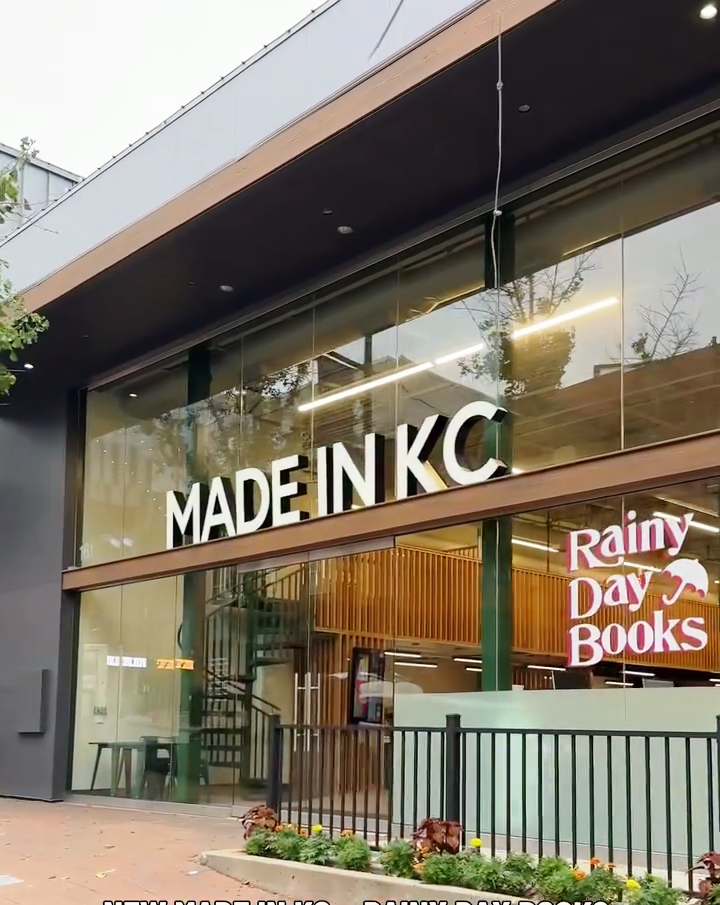 Rainy Day Books, based in Fairway, Kan., has opened a second location, in downtown Kansas City, Mo., and plans to open a third location, in Lenexa, Kan., Axios reported.



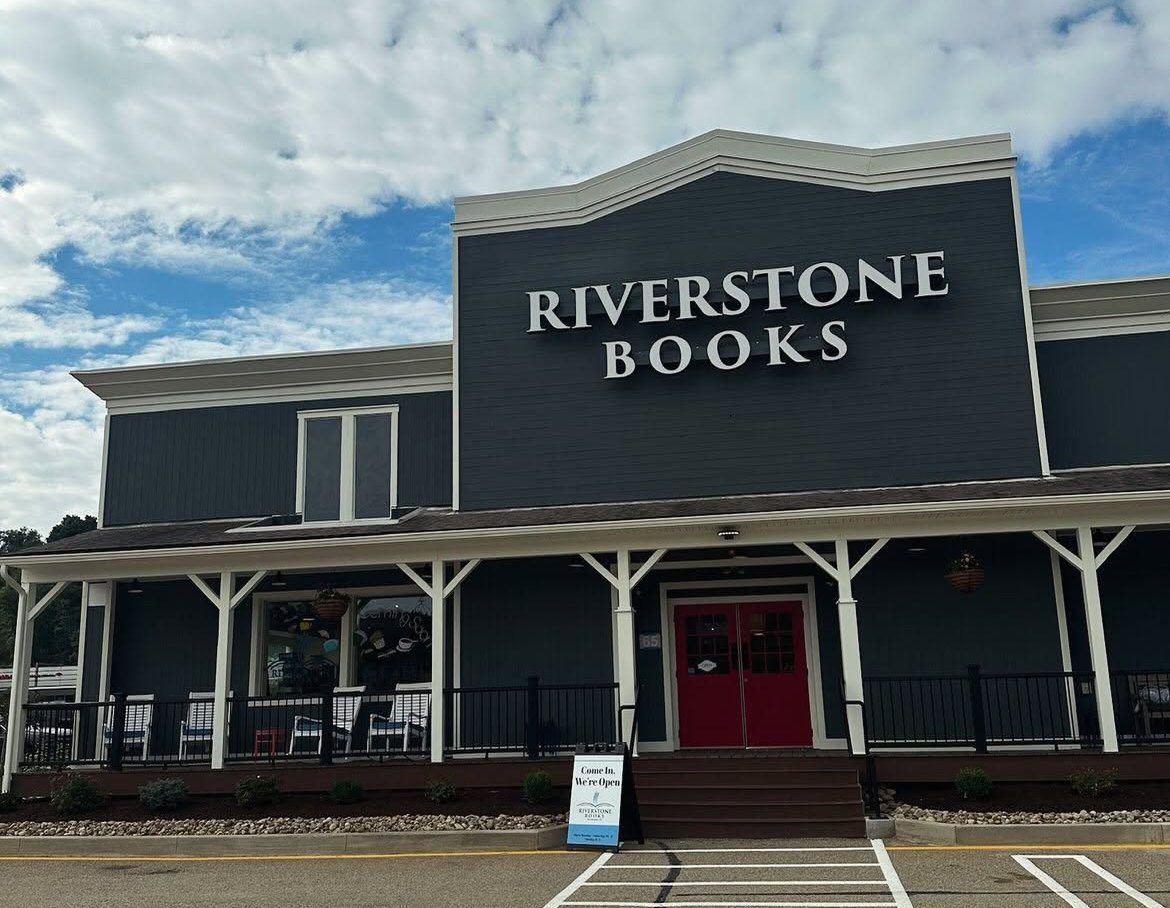
 White Rabbit Book Cafe
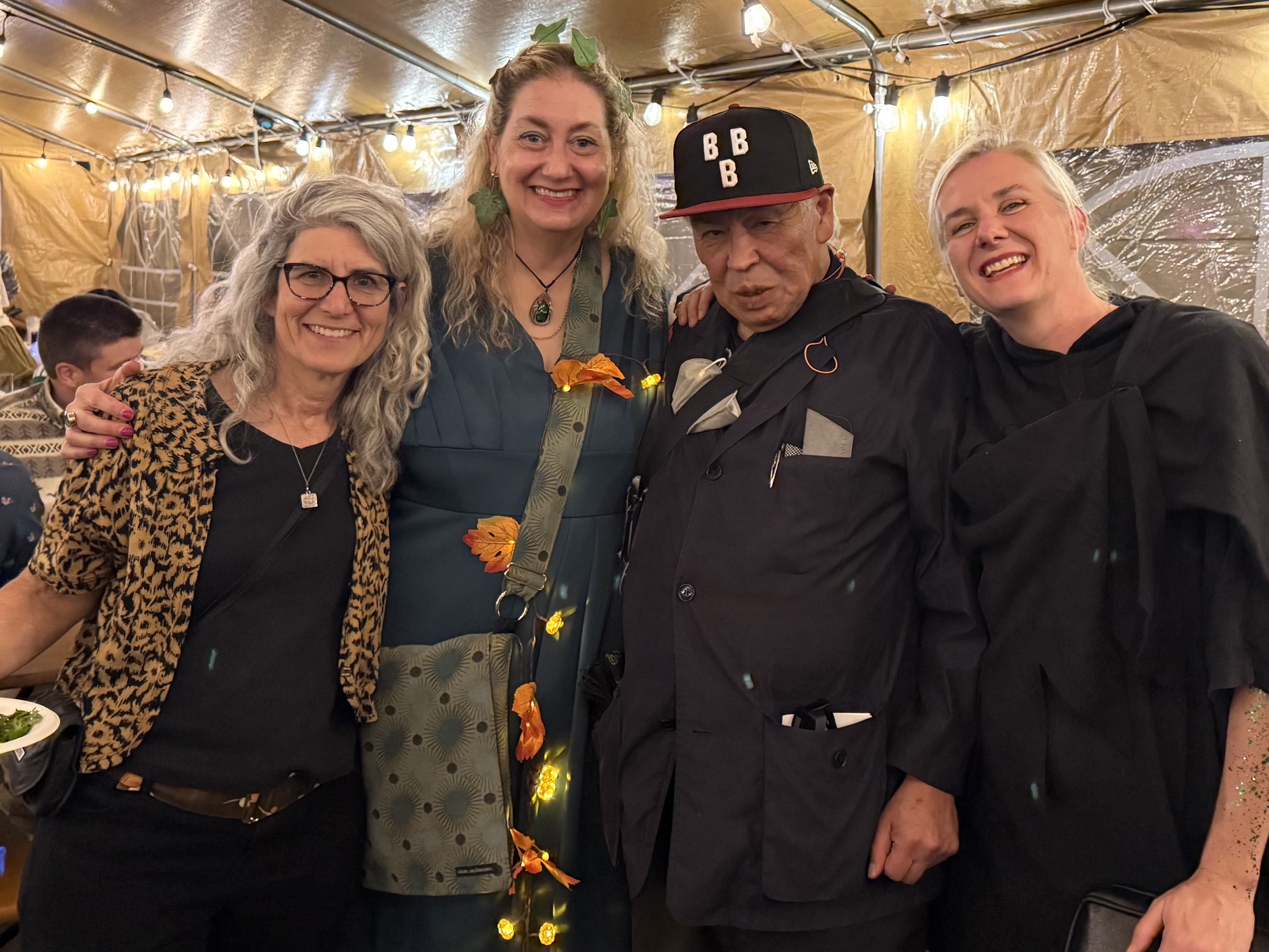 Publisher Transit Books hosted its second annual Big Fall Fundraiser to celebrate the transformative power of international literature at Donkey & Goat Winery, Berkeley, Calif. Proceeds from the event support 20 new books in 2027, including new works from Japan, Colombia, Turkey, and Norway. The party took its theme from Transit Books' fall title Our Life in the Forest by Marie Darrieussecq, translated from the French by Penny Hueston, about a woman writing from a forest encampment at the end of the world, in the unsatisfying company of her clone, and guests dressed accordingly. Among them were the City Lights team: Lise Solomon, sales representative for City Lights; Stacey Lewis, v-p, director of marketing & publicity; Paul Yamazaki, buyer; and Caroline Picard, associate publisher.

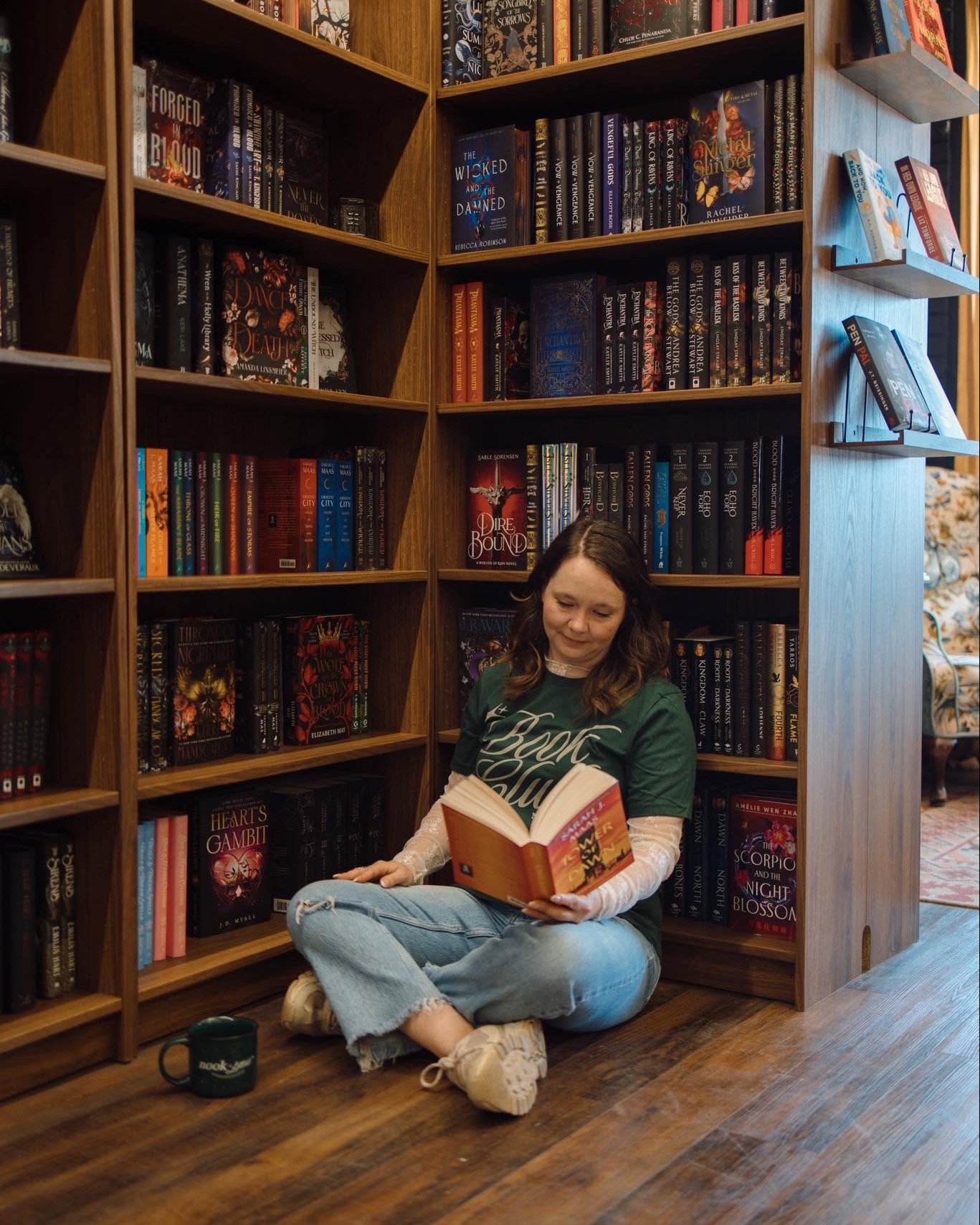 "Nook + Press is
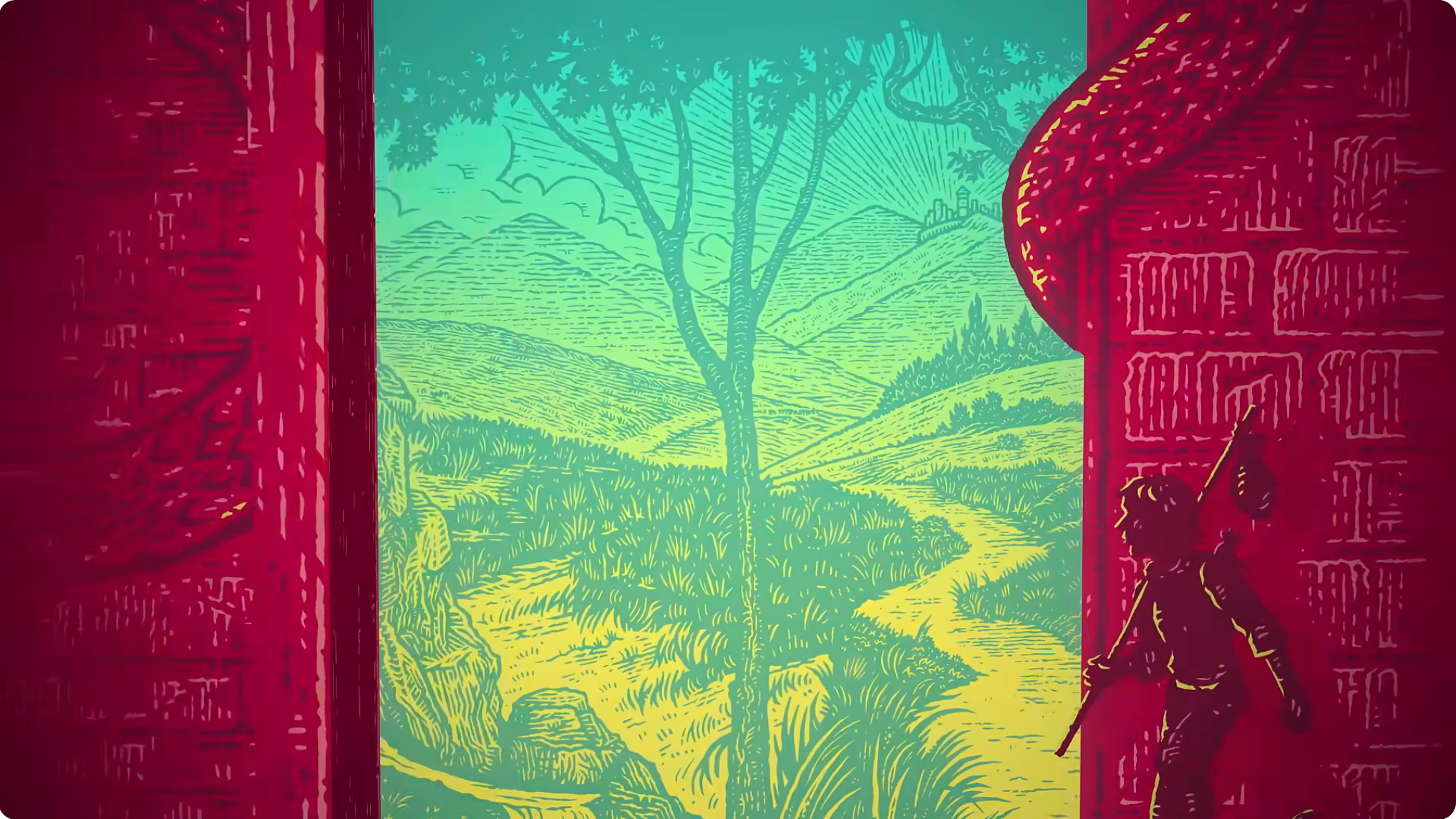 This Is a Door: A Novel
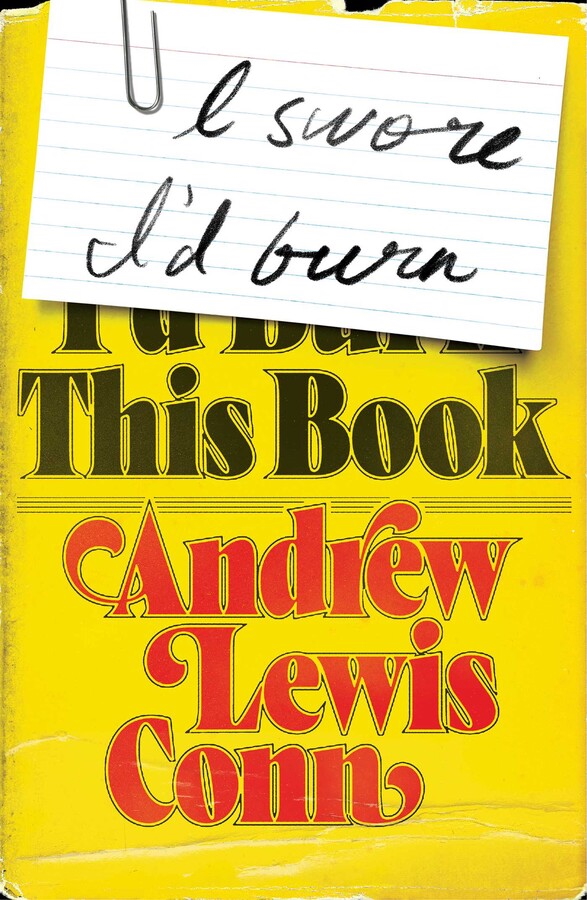 Andrew Lewis Conn (