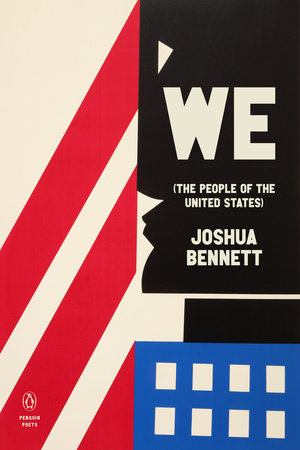
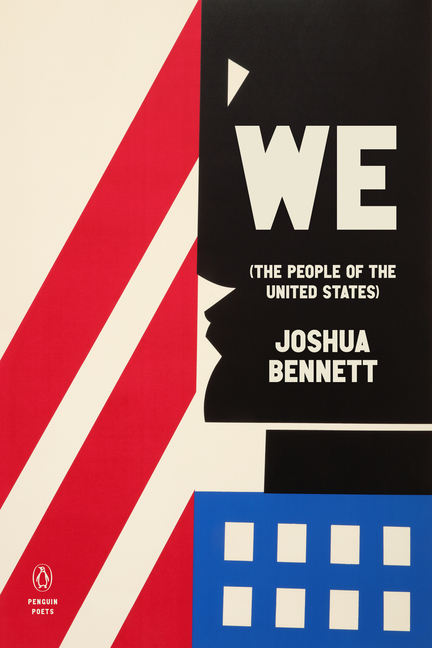
_Rog_Walker.jpg) Poet Joshua Bennett's new collection, We (The People of the United States), is a fireworks display of light and sound and color, considering both family and country in a book-length poem about collectives. It's the perfect way to mark the 250th anniversary of the United States, and in today's interview, Bennett elaborates on what it feels like to write a poem and what it means to live in poetic times.
Poet Joshua Bennett's new collection, We (The People of the United States), is a fireworks display of light and sound and color, considering both family and country in a book-length poem about collectives. It's the perfect way to mark the 250th anniversary of the United States, and in today's interview, Bennett elaborates on what it feels like to write a poem and what it means to live in poetic times.
The Writer's Life
Joshua Bennett: We, a Powerful Plural Pronoun
|
Joshua Bennett
(photo: Rog Walker) |
Joshua Bennett lives with his family in Massachusetts, where he serves as a professor of literature and distinguished chair of the humanities at MIT. His work (The Sobbing School, Being Property Once Myself, The Study of Human Life) includes spoken-word and scholarship, poetry and prose.
Bennett has two new titles: The People Can Fly (Little, Brown), a memoir and history; and the poetry collection We (the People of the United States) (Penguin Books; reviewed in this issue). This book-length fireworks display of light and sound and color is perfect way to mark the 250th anniversary of the United States.
Which came first: the poems themselves or the idea for the collection?
I'm a poet who writes a lot about my family, and it started with me thinking about a certain vision of domestic tranquility, to pull some more language from formal state documents. I thought, well, this is my "we." This is my collective that is forming the way I think about the highest aims and stakes of human life. And that's when it started to cohere, this idea of a powerful plural pronoun that's not just a family, but a people, a nation. So a poem for each state, a meditation on invention, what it means to be part of a family, a nation, a people. I tried to make sure that, for every state, I had a poem that wasn't just historically accurate, but emotionally resonant, that felt like it was in pursuit of a larger historical or social or emotional truth.
Did you have ties to the places that you were highlighting? How did you build the map?
I did start, I think, from the heart. The first poem in the "The People of the United States" sequence is in Yonkers. We begin in the place where I grew up. I model that after Virgil's invocation to book one of the Georgics, which became the beating heart of the book. From there, we end up in Alabama, where my father was born, where my uncles and aunts are from. I tried to start from a place of thinking critically about family, about family ties, about geographic ties. And then from there, I started thinking deeply about the works of art that framed so much in my childhood, so when I went to write about Minnesota, I thought about Prince. When I went to Michigan, I thought about Motown. And then I thought about the poems and the poets. That's really how I built out the map. It was a series of concentric circles from that childhood life emanating outward to the works of art and the inventions--the trampoline, the typewriter, the television.
 The word "ascension" jumps off the page in this collection, a resonance with your memoir The People Can Fly. What makes that such a powerful image?
As a little boy, I thought I could literally fly. One day, if I said the right words or put myself in the right position or thought the right thoughts. So, that's always at the core of my poems. But I think that's also the feeling that a good poem gives you, right? Dickinson talks about a poem making her feel so cold that no fire can ever warm her. Poetry should make you feel a kind of metaphysical thing, should in some ways make you feel the most in your body you've ever felt and like you've been transported beyond its bounds. I'm always thinking about how poetry can take us higher.
What does that poem feel like inside you before it has been born?
When I sit down to write a poem, I'm trying to be quiet and let the language flow through me. I think of what Merwin says about the electricity of writing poems, that feeling when a sequence of words begins to pick up an electrical charge. I feel a little bit of that. When I'm typing, I can see when the music starts to come together in a certain way. It's almost like the words are reaching into the space of the blank page, and they're pulling new partners onto the dance floor. And by the end, you have an ensemble.
In "Cincinnati, Ohio," you write about the way that Charles Henry Turner understood that ants had "a shared store of recollection, maps of the world exchanged over time and across consciousness," which is the project of the book too, right?
Yeah, that's exactly right. And for me, that's not a form of diminishment. It's quite natural that ants would be a part of our ensemble. I'm devoted to thinking about these writers who imagined what I call relation without rank--the idea that we could, and maybe even must, have a relationship to the flowers and the animals, the earth and the air, understanding that we are in a deep, relational wisdom. The poems are one way for me to think about how we can pass down these maps of the world from generation to generation and deepen our understanding, but also maybe give us a bit more delight. I think life is more beautiful and a bit more fun, frankly, when you understand that you're not alone. You never were alone. You never have to be alone. You are part of a constellation that spans thousands of years, and you can tap into it through these things called books, through songs, through images. You can practice the art of accompaniment.
What makes poetry the right response to this moment?
I think about that line from Nikki Giovanni's poem "For Saundra": "perhaps these are not poetic/ times/ at all." But I think we're always in poetic times. Because poetry is how we give heightened language to the fullness of our lives, right? In times of social and political upheaval, that's absolutely the time for us to return to a certain kind of heightened language for life itself. Because the preciousness of life is being attacked on all sides. So it's not just the practice of writing poetry, but of reading poetry, which was first. It's our inaugural literary art. Our ancestors created this thing to commemorate new love, to mourn the day, to celebrate new life, to remember the locations of mountains, rivers, and trees. It is a technology of memory. And there's a reason we've kept it going for thousands of years. We'll always need to return to the language that reminds us that we're called to each other. That we need each other to survive. The act of writing the poem tends to imply a listener, an audience. It's a reminder that there's someone out there who might hear you and call back to you. --Sara Beth West, freelance reviewer and librarian












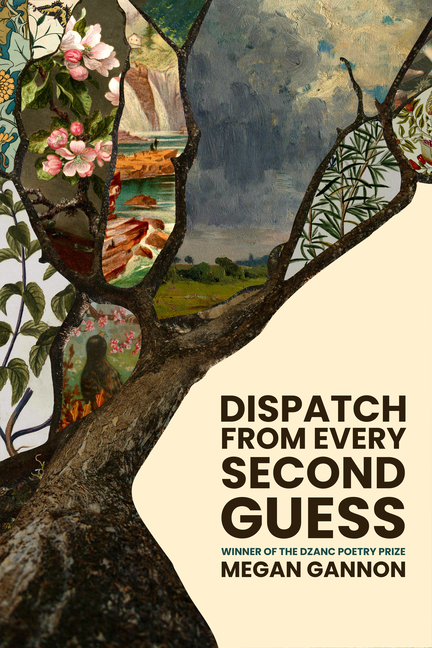

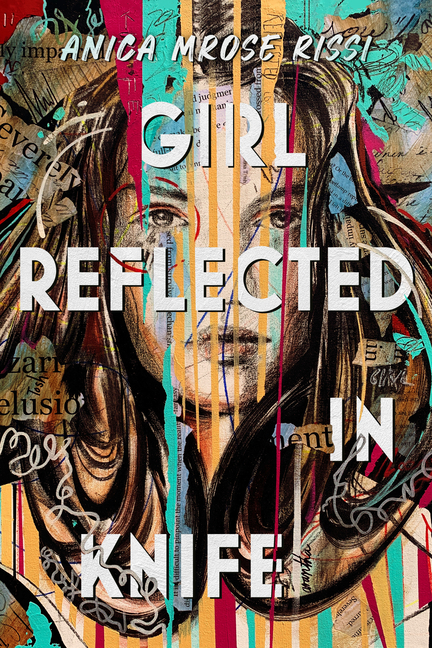
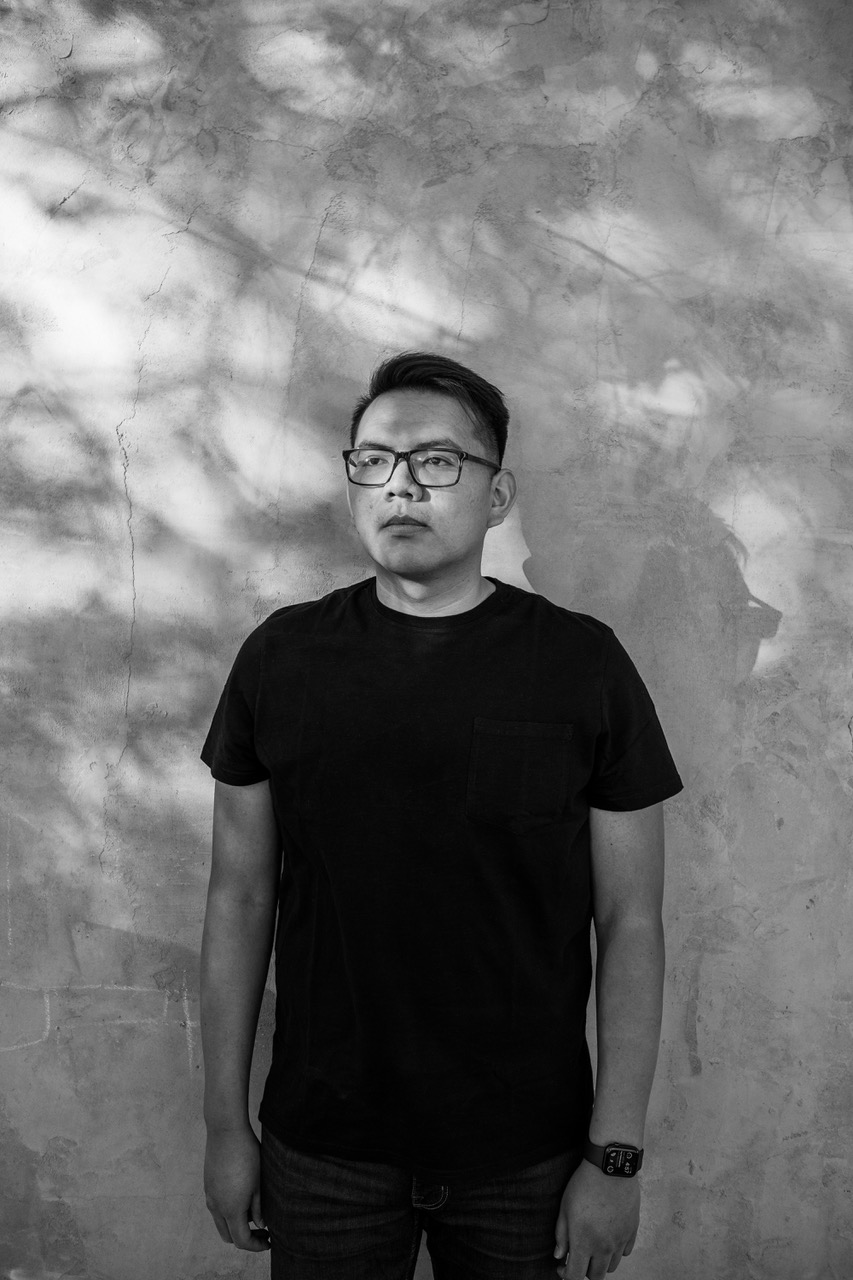 In celebration of April as Poetry Month, our issue today includes reviews of recent works and an interview with a poet. But we also wanted to include something extra special to mark the occasion. So please enjoy this piece excerpted from Horses, the new collection by Jake Skeets, an award-winning poet from the Navajo Nation who teaches at the University of Oklahoma.